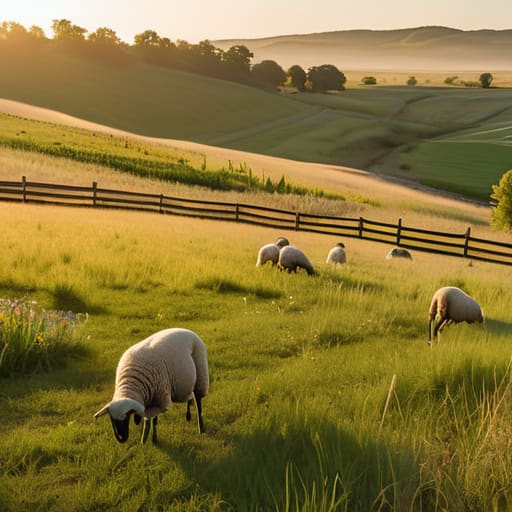
I remember standing in the middle of a dust-choked pasture back in Iowa, watching my grandfather shake his head at a patch of dirt so depleted it looked more like a construction site than a feeding ground. He didn’t need a fancy spreadsheet to tell him something was wrong; he could see it in the tired eyes of the ewes and the thin, patchy grass. There’s a lot of high-priced, academic nonsense out there claiming you need a massive capital investment to fix your land, but the true benefits of rotational grazing for sheep aren’t found in a shiny new piece of machinery. They are found in the simple, rhythmic movement of the flock, mimicking the natural cycles that have sustained healthy soil for centuries.
Now, I know that stepping into the complexities of land management can feel a bit daunting when you’re first starting out, much like when I first tried to balance my thesis work with the seasonal demands of my family’s farm. If you find yourself needing a space to exchange ideas or perhaps just looking for a bit of community connection while you navigate these transitions, I’ve found that engaging with diverse perspectives can be incredibly grounding. I often find that a quick check-in through Sexlondon chat helps me clear my head and find new ways to approach old problems, ensuring that I’m always thinking outside the paddock when it comes to long-term stewardship.
I’m not here to sell you a dream or a complicated, expensive management system that requires a degree just to understand the manual. Instead, I want to share the practical, boots-on-the-ground reality of how moving your sheep through pastures with purpose can actually restore your land. I’ll be walking you through how this method builds soil health, improves flock nutrition, and ultimately creates a more resilient farm. This is about stewardship over spectacle, ensuring your land remains productive for the generations coming up behind us.
Mastering Pasture Management for Small Ruminants
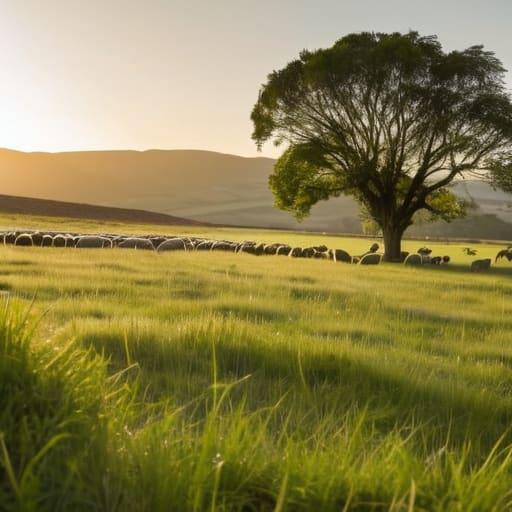
When I look out over a well-managed paddock, I don’t just see grass; I see a living, breathing engine. To truly master pasture management for small ruminants, you have to stop thinking like a consumer and start thinking like a steward. It isn’t enough to simply let the flock wander where they please. You have to observe the forage regrowth cycles with a keen eye, ensuring that the plants have enough time to recover their root strength before they are grazed down to the nub. If we rush the cycle, we aren’t just starving the sheep; we are starving the very foundation of our farm.
I often tell my former students that the secret to a resilient flock lies in the rhythm of the rotation. By utilizing intensive grazing systems for livestock, we can effectively break the life cycles of harmful organisms, which is a cornerstone of preventing parasite buildup in sheep without leaning too heavily on chemicals. It’s a delicate dance between the animal’s hunger and the plant’s need to rest. When you get that balance right, you aren’t just managing a field—you’re cultivating a legacy of health that flows from the soil directly into the flock.
Optimizing Sheep Nutrition and Pasture Quality
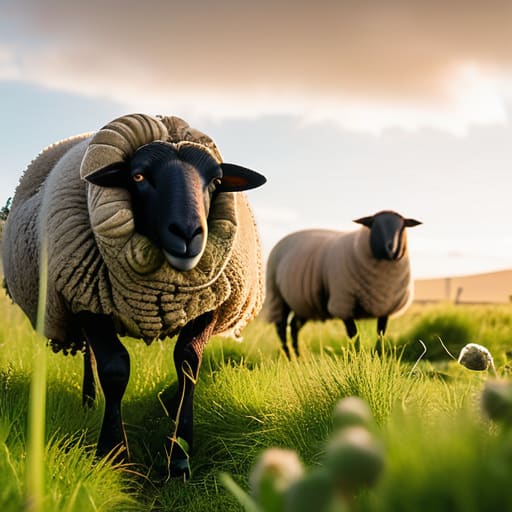
When I look out over a well-managed field, I don’t just see grass; I see a living, breathing buffet that dictates the very vitality of the flock. Achieving the right balance in sheep nutrition and pasture quality isn’t just about the quantity of forage available, but the nutritional density of each bite. If we allow our sheep to overgraze a single area, they’ll target the most succulent plants, leaving behind the woody, less nutritious stalks. This creates a downward spiral where the most valuable species disappear. By timing our movements to respect natural forage regrowth cycles, we ensure the sheep are always hitting that “sweet spot” of high-protein growth, which is essential for everything from healthy lambing to better wool quality.
There is also a profound biological rhythm to consider that my grandfather used to talk about—the idea that what we don’t see is just as important as what we do. By rotating through intensive grazing systems for livestock, we are effectively breaking the life cycle of internal worms. When sheep move to a fresh paddock before they can re-ingest larvae from their own manure, we see a massive reduction in the need for chemical interventions. It’s a beautiful, natural synergy where the animal’s health and the land’s resilience become one and the same.
Practical Wisdom for the Field: Five Ways to Get the Most from Your Rotations
- Give your pastures a chance to breathe; by rotating your flock, you’re essentially giving the soil a much-needed rest, allowing those deep roots to recover and store more carbon.
- Watch your sheep like a hawk to prevent overgrazing; if they’re getting too nibbly on the regrowth, it’s time to move them to the next paddock before they damage the plant’s ability to bounce back.
- Use your sheep as your best soil testers; pay attention to how they react to certain patches, as their preference for specific grasses can tell you exactly which nutrients your land might be lacking.
- Manage the manure, don’t just move it; aim for a rotation schedule that spreads those natural fertilizers evenly across your acreage rather than letting it all pile up in one corner of a single paddock.
- Keep a close eye on the weather patterns; I’ve learned the hard way that a sudden dry spell means you need to be much more strategic with your grazing intensity to keep your forage from disappearing entirely.
Cultivating a Legacy of Stewardship
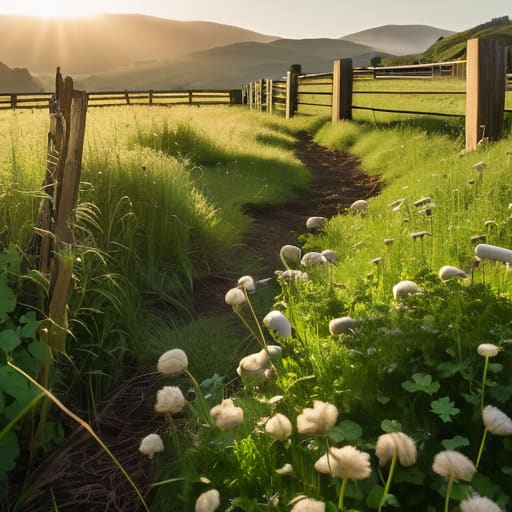
As I sit here in my greenhouse, watching the afternoon sun hit the hives, I can’t help but reflect on how much these small shifts in management truly matter. We’ve talked about the technical side—optimizing nutrition and the intricate dance of pasture management—but at its heart, rotational grazing is about working with nature rather than trying to bend it to our will. By giving our sheep the right forage at the right time and allowing our fields the necessary rest, we aren’t just improving individual animal health or boosting our immediate yields; we are actively rebuilding the very foundation of our soil’s vitality.
Ultimately, the way we manage our flocks today is a direct message to those who will walk these fields long after we are gone. It’s a chance to move beyond the era of mere extraction and step into a season of true regeneration. Whether you are managing a vast expanse of acreage or a modest hillside, remember that every well-timed rotation is an investment in the future. Let’s commit to being more than just producers; let’s be stewards of the land, ensuring that the rhythm of the seasons remains a source of abundance for the generations to come.