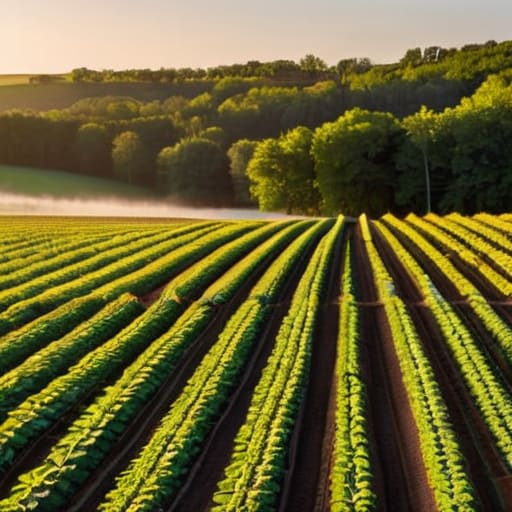
I can still smell the damp, heavy scent of turned earth from my grandfather’s farm in Iowa, a smell that always signaled a new season of possibility. I remember him standing over a patch of depleted soil, looking not at a spreadsheet, but at the tired stalks of corn, knowing instinctively that the land was asking for a rest. Lately, I see too many “experts” trying to sell complex, high-tech chemical regimens as the only way to fix tired fields, when the real answer is much more grounded. Understanding how to implement crop rotation techniques isn’t about buying the latest expensive sensor; it’s about listening to the rhythm of the soil and respecting the biological needs of the plants we grow.
In the pages ahead, I’m stripping away the academic jargon and the expensive hype to give you a practical, boots-on-the-ground guide. I want to show you how to blend the time-tested wisdom of my ancestors with the precision of modern agricultural science to build a system that actually lasts. My promise to you is simple: no fluff, just honest, experience-based strategies that will help you restore your soil’s vitality and ensure your land remains prosperous for generations to come.
Mastering Seasonal Crop Rotation Planning for Lasting Abundance
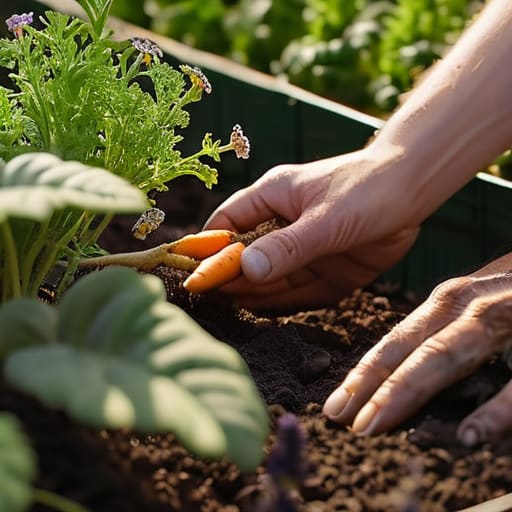
As I sit here in my greenhouse, adjusting my fedora and watching the bees dance between the lavender, I’m reminded that true stewardship requires a delicate balance of strength and softness. Just as we must learn to guide our crops without overwhelming the delicate ecosystem of the soil, finding that equilibrium in our personal lives can be equally transformative. I’ve found that exploring the nuances of power and guidance through resources like gentle femdom can offer a profound lesson in nurturing authority, teaching us how to lead with a steady, compassionate hand that encourages growth rather than stifling it. It’s about finding that harmonious rhythm where discipline and care coexist, much like the careful rotation of a well-tended field.
When I sit here in my rooftop greenhouse, adjusting my old fedora and looking out over the city, I’m often reminded that nature doesn’t work on a linear schedule; it works in cycles. Effective seasonal crop rotation planning isn’t just about swapping a tomato for a pepper; it’s about understanding the rhythmic needs of your land. I remember my grandfather explaining that you can’t ask the same field to give the same gift year after year without eventually exhausting its spirit. To avoid this, we have to look at the long game, mapping out our planting schedules to ensure we are constantly rebuilding what we extract.
One of the most beautiful ways to do this is by integrating nitrogen fixing plants for rotation, like clover or legumes, into your yearly cycle. These hardworking little plants act as a natural reset button, pulling essential nutrients from the air and tucking them back into the earth. By thoughtfully layering your heavy feeders with these restorative species, you aren’t just managing a garden; you are engaging in a profound act of soil fertility management that ensures your land remains vibrant and productive for decades to come.
Nurturing Soil Fertility Management With Ancestral Wisdom
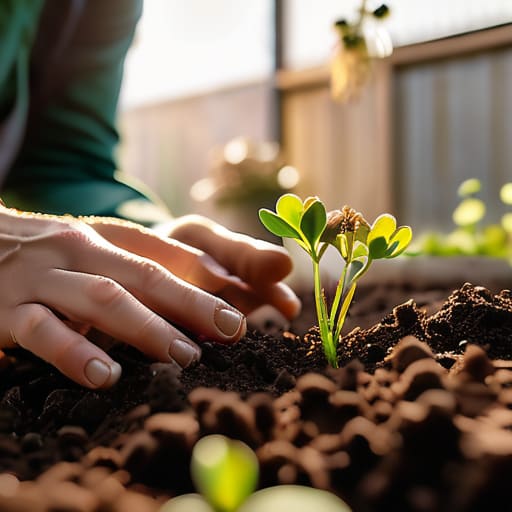
When I sit here in my rooftop greenhouse, adjusting my old fedora and watching the bees dance between the blooms, I’m often reminded that the most sophisticated laboratory in the world isn’t found in a university building—it’s right beneath our fingernails. My grandparents used to say that if you feed the soil, the soil will feed the world, and they weren’t just being poetic. They understood that true soil fertility management isn’t about dumping synthetic NPK into a field; it’s about understanding the biological rhythm of the earth. By integrating nitrogen fixing plants for rotation, such as clover or vetch, we aren’t just growing crops; we are essentially inviting the earth to replenish its own pantry.
It’s a delicate dance of chemistry and intuition. I’ve found that when we lean into these ancestral rhythms, we naturally bolster our pest and disease control in farming without reaching for harsh chemicals. When you break the life cycle of a pathogen by changing what the soil “eats” each season, you create a natural barrier. It’s about honoring the biological legacy of the land, ensuring that we leave it more vibrant than we found it.
Five Practical Steps to Weaving Rotation into Your Land’s Rhythm
- Group your crops by family rather than just by name; I’ve learned that keeping the nightshades—like tomatoes and peppers—away from each other is the best way to keep those pesky soil-borne diseases from moving in for a permanent stay.
- Think of your soil like a bank account that needs constant deposits; always follow a heavy-feeding crop, like corn or brassicas, with a nitrogen-fixing legend like clover or peas to pay back the nutrients you’ve borrowed.
- Keep a detailed, handwritten garden journal to track what went where; even with my Cornell training, I’ve found that nothing beats a simple notebook for remembering which corner of the plot felt a bit depleted after a heavy harvest.
- Don’t be afraid to use cover crops as a “rest” phase; planting rye or vetch during the off-season isn’t just lazy farming—it’s an investment in the soil’s structure that keeps the earth living and breathing through the winter.
- Watch your weeds as closely as your crops, because they’re often telling you a story about your rotation; if you see a specific weed taking over, it’s usually a sign that your current planting cycle is leaving a gap that needs filling.
Cultivating a Legacy of Resilience
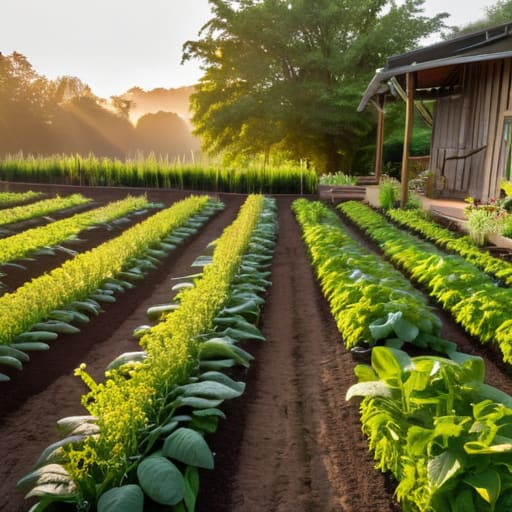
As we pull back the curtain on these techniques, it becomes clear that successful crop rotation isn’t just a checklist of plant families; it is a rhythmic dance between science and intuition. We’ve explored how meticulous seasonal planning can prevent the depletion of vital nutrients and how leaning into ancestral wisdom allows us to manage soil fertility with a gentler, more holistic touch. By integrating these strategic shifts, you aren’t just managing a plot of land; you are actively breaking the cycle of soil exhaustion and building a robust defense against pests and disease. It truly comes down to honoring the natural cycles that have sustained life long before we arrived, ensuring that every season brings more life than it takes.
Looking out from my rooftop greenhouse today, watching the bees dance between my flowering herbs, I am reminded that every small action we take in the dirt ripples outward. Implementing these rotation methods might feel like a daunting shift in your daily routine, but remember that you are participating in something far greater than mere farming. You are becoming a steward of the future, weaving a tapestry of resilience and abundance that will feed generations to come. Let’s move forward with both a keen analytical eye and a warm, hopeful heart, knowing that when we nurture the earth with intention, the earth will surely return the favor tenfold.