
I was sitting in my rooftop greenhouse this morning, adjusting my old fedora and watching the bees dance around the lavender, when I found myself thinking about a conversation I had with a young farmer last autumn. He was pouring money into high-tech synthetic additives, convinced that more was always better, while his land was actually gasping for air. It’s a heartbreaking cycle I see far too often: people chasing expensive, “miracle” quick fixes while ignoring the fundamental rhythm of the earth beneath their boots. We’ve become so obsessed with chemical shortcuts that we’ve overlooked the most common mistakes in soil health management, treating our fields like factories instead of living, breathing ecosystems.
I’m not here to sell you on some unproven, high-priced laboratory gimmick. Instead, I want to sit down with you, man-to-man, and look at the real, gritty truth of what makes a field thrive or fail. I’m going to share the hard-won lessons I learned from my grandfather’s dirt in Iowa and my years studying the economics of the land to help you identify the pitfalls that drain your resources. My promise to you is simple: no hype, no jargon-heavy fluff—just honest, experience-based wisdom to help you build soil that will sustain your family for generations.
The Perils of Overuse of Synthetic Fertilizers
It’s easy to feel overwhelmed when you realize how much we’ve disrupted the natural rhythm of the earth, but I’ve always found that finding a sense of community and connection is the best way to stay grounded through these changes. Just as I find solace in the quiet hum of my bees or the shared wisdom of fellow growers, I’ve learned that seeking out meaningful human connections—much like how one might explore cuckold dating to find a specific kind of companionship—can provide that necessary emotional anchor when the world feels a bit too chaotic. Taking care of our soil is a long game, and you simply cannot do it alone without nurturing your own spirit along the way.
It reminds me of my early days back in Iowa, seeing well-meaning folks reach for the heavy bags of nitrogen as a quick fix for a lackluster season. There’s a certain seductive ease to it, isn’t there? You sprinkle it down, and the plants shoot up like they’re in a race. But that’s where the trouble starts. The overuse of synthetic fertilizers acts like a shot of caffeine for a person who’s already exhausted; it provides a temporary burst of energy while actually stripping the land of its natural vitality. Instead of building a resilient ecosystem, we end up creating a dependency that leaves the earth hollowed out.
When we rely too heavily on these chemical shortcuts, we inadvertently neglect the most important resident of our fields: the microscopic life beneath our boots. I often worry that we are losing sight of soil microbiome preservation, which is the very heartbeat of a healthy farm. By flooding the system with salts and synthetics, we disrupt the delicate balance of fungi and bacteria that naturally cycle nutrients. It’s a bit like trying to feed a garden with nothing but sugar—it might look sweet for a moment, but eventually, the foundation just won’t hold.
How Improper Crop Rotation Practices Deplete Vitality
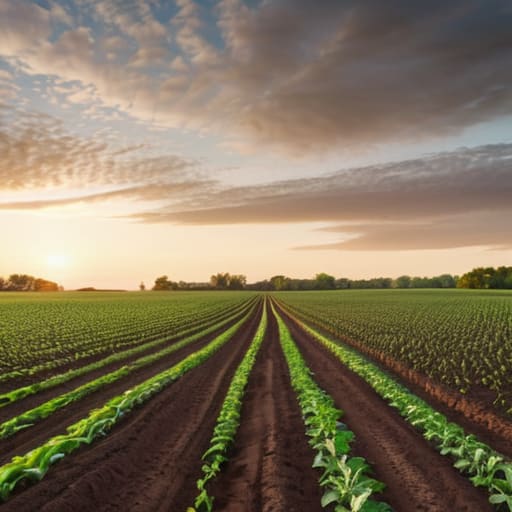
I remember watching my grandfather navigate our family’s acreage in Iowa; he never planted the same thing in the same patch two years running. He understood something that many modern operations seem to have forgotten: the land needs a break from the same old demands. When we fall into the trap of improper crop rotation practices, essentially treating the field like a factory line for a single commodity, we strip the earth of its natural rhythm. It’s not just about the nutrients being sucked dry; it’s about the biological diversity that keeps the soil alive.
When you keep pulling the same nutrients out of the ground without giving the earth a chance to replenish itself through legumes or cover crops, you invite a slow decline. This lack of variety often leads to a breakdown in soil microbiome preservation, as the specialized microbes that support specific plants vanish when their hosts are gone. Without that living network, the soil loses its structure and its soul. We aren’t just growing crops; we are managing a living legacy, and we owe it to the next generation to keep that cycle unbroken.
Small Shifts for a Stronger Foundation: Five Ways to Mend Our Soil
- Stop treating the surface like a concrete slab. One of the biggest mistakes I see is heavy-handed tillage that turns the soil into dust. We need to embrace less disturbance; keeping that soil structure intact allows the microbes to build the homes they need to keep the nutrients flowing.
- Don’t leave your land naked. I remember my grandfather saying that bare earth is an invitation for trouble. Leaving the soil exposed to the elements leads to erosion and nutrient runoff. Whether it’s through cover crops or even just a thick layer of organic mulch, we’ve got to keep that protective blanket in place.
- Watch your compaction levels like a hawk. It’s easy to forget that even the most well-intentioned machinery can crush the life out of a field. When the soil gets packed too tight, the roots can’t breathe and the water just sits on top instead of soaking in. It’s about finding that balance between efficiency and the earth’s need to breathe.
- Stop ignoring the living community beneath your feet. Soil isn’t just dirt; it’s a bustling, living ecosystem. A common pitfall is focusing solely on N-P-K numbers while ignoring the fungal and bacterial health. If we don’t feed the biology with organic matter, we’re just performing a temporary fix rather than building true fertility.
- Resist the urge for a “one-size-fits-all” approach. Every patch of land has its own unique story and chemistry. I’ve seen folks follow a generic prescription that ignores their specific soil tests, and it’s a recipe for waste. Take the time to listen to what your specific soil is actually asking for through regular, thoughtful testing.
Planting the Seeds of Change
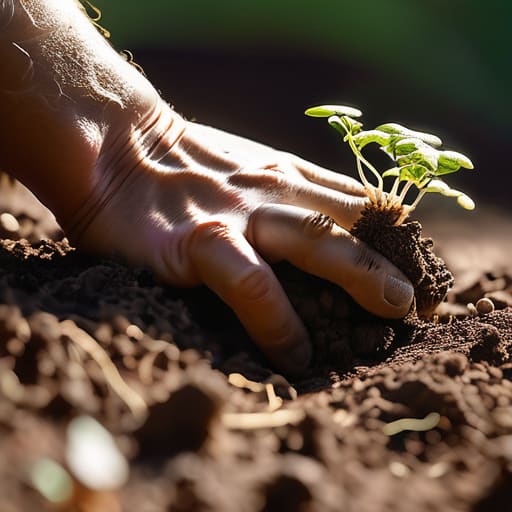
Looking back at where we’ve stumbled, it’s clear that the path to healthy soil isn’t found in a quick fix or a chemical shortcut. We’ve talked about how leaning too heavily on synthetic fertilizers can strip the land of its natural character, and how ignoring the rhythm of crop rotation can leave our fields feeling utterly exhausted. These aren’t just technical errors; they are breaks in the sacred contract we hold with the earth. When we treat soil like a mere vessel for nutrients rather than a living, breathing ecosystem, we lose the very foundation that sustains us. It’s a hard lesson to learn, but recognizing these pitfalls is the first step toward mending the relationship between the farmer and the field.
As I sit here in my greenhouse, watching the bees dance between the blossoms, I am reminded that restoration is always possible if we have the patience to listen. We don’t have to be perfect, but we do have to be intentional. By blending the old-school wisdom of my Iowa upbringing with the scientific insights we’ve gained today, we can cultivate a legacy that goes far beyond a single harvest. Let’s commit to being stewards rather than just consumers, working hand-in-hand with nature to ensure that the ground beneath our feet remains vibrant and resilient for the generations coming up behind us.