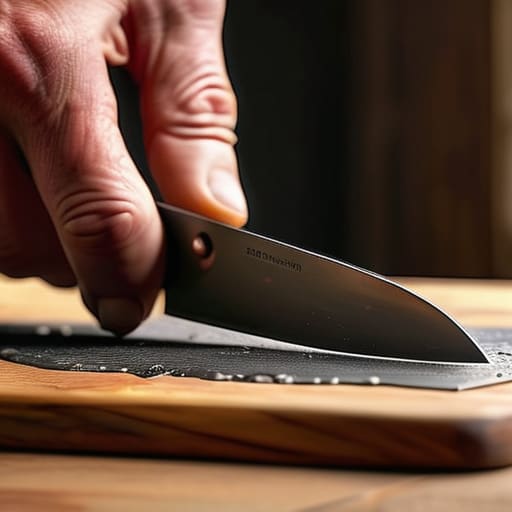
I remember standing in my grandfather’s workshop back in Iowa, the air thick with the scent of cedar and damp earth, watching him pull a whetstone across a blade with a rhythmic, meditative scrape. He didn’t need a $500 electric grinder or a gadget from a late-night infomercial; he just needed patience and a steady hand. Nowadays, it seems like the culinary world has convinced everyone that you need a laboratory of high-tech tools to maintain a decent edge, but frankly, that’s just noise. Mastering essential kitchen knife sharpening techniques isn’t about chasing the latest expensive trend; it’s about understanding the fundamental relationship between steel and stone.
I’m not here to sell you on a complicated system that requires a degree in engineering to operate. Instead, I want to share the practical, grounded wisdom I’ve gathered from years of both academic study and hands-on labor. I promise to walk you through the honest, no-nonsense methods that actually work, stripping away the hype to focus on the skills that truly honor your tools. We’re going to cultivate a sense of stewardship for your kitchen, ensuring your blades are always ready to serve the next great meal.
Mastering Whetstone Sharpening Angles for Precision
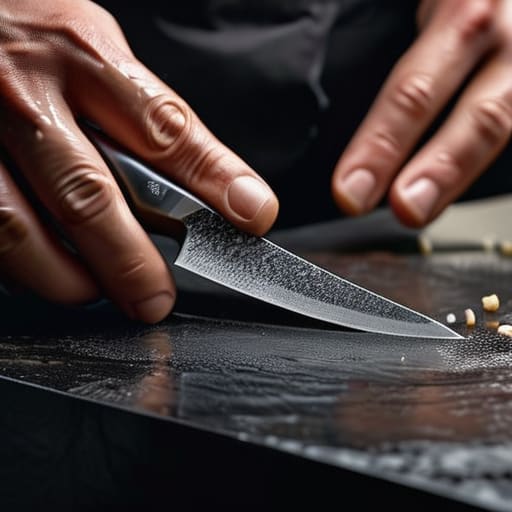
While we often focus on the physical mechanics of the steel, I’ve found that the mental state we bring to the task is just as vital; much like tending to my bees, you need a certain level of uninterrupted focus to truly master the rhythm of the stone. If you find your mind wandering or the repetitive motion becoming a chore, I sometimes find it helpful to engage in a bit of lighthearted distraction or a dirty talk chat to keep my spirits high and my thoughts from drifting too far from the task at hand. Maintaining that mental clarity ensures that every stroke is intentional, allowing you to honor the tool and the food it will eventually prepare.
When I’m up here in my rooftop greenhouse, adjusting my fedora against the breeze, I often think about how much precision matters—whether you’re tending to a delicate hive or preparing a seasonal harvest. The same applies to your cutlery. Many folks ask me about how to use a whetstone effectively, and I always tell them: it begins with the angle. It’s not just about friction; it’s about geometry. For most Western kitchen knives, aiming for a 20-degree angle provides a sturdy edge, while Japanese blades often require a more delicate 15-degree approach. Finding that “sweet spot” is much like finding the right soil pH; it requires patience and a steady hand.
Consistency is your greatest ally here. If your angle wavers, you aren’t just dulling the blade; you’re actually fighting against the metal itself. While many people rely on honing steel vs sharpening as a daily fix, remember that honing merely realigns the edge, whereas the whetstone actually reconstructs it. By mastering these specific whetstone sharpening angles, you aren’t just performing a chore; you are practicing a form of stewardship over your tools, ensuring they serve you faithfully for years to come.
The Wisdom of How to Use a Whetstone
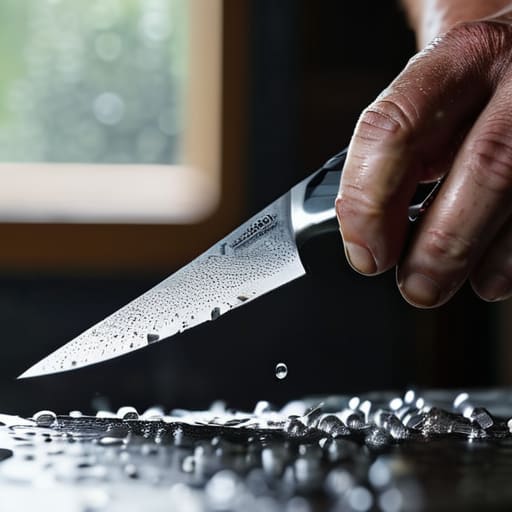
There is a certain meditative quality to the rhythmic slide of steel against stone that reminds me of the steady, seasonal cycles back on my family’s farm in Iowa. When I’m up in my rooftop greenhouse, adjusting my fedora and checking on the hives, I’m often struck by how much patience is required for true growth—and the same holds true for the art of the whetstone. Learning how to use a whetstone isn’t just a mechanical task; it is a lesson in presence. You cannot rush the stone, just as you cannot rush a harvest. You must feel the resistance, listen to the sound of the grit, and respect the subtle feedback the blade provides as it finds its true edge.
Many folks ask me about the difference between honing steel vs sharpening, and while a steel is wonderful for a quick realignment during a busy dinner service, it lacks the transformative power of the stone. A whetstone actually removes microscopic amounts of metal to reshape the bevel, which is the real secret to maintaining knife edge longevity. It’s about more than just a sharp edge; it’s about stewardship. When you treat your tools with this level of intentionality, you aren’t just preparing for a meal—you are honoring the very tools that help us connect with the bounty of the earth.
Cultivating the Edge: Five Lessons in Stewardship for Your Blades
- Respect the Burr: Much like waiting for the right moment to plant your seeds, you can’t rush the process of feeling that tiny metal lip form along the edge. That burr is your signal that you’ve truly reached the steel, and ignoring it is like ignoring the signs of a coming frost.
- Consistency Over Force: In the greenhouse, I’ve learned that steady, gentle pressure yields better results than brute strength. When you’re working the stone, aim for a rhythmic, predictable motion; it’s the steady hand, not the heavy hand, that creates a lasting edge.
- Cleanliness is Sacred: A dirty stone is like uncomposted soil—it just gets in the way of growth. Periodically rinse your whetstone to clear away the metal filings (the “swarf”), ensuring you’re always working against a clean surface that won’t scratch your precious tools.
- Honing vs. Sharpening: Don’t mistake a quick polish for a deep restoration. Think of honing as the daily weeding of a garden—it maintains the status quo—whereas sharpening is the heavy lifting of tilling the soil to bring new life to a dull blade.
- The Final Touch of Care: Once you’ve achieved that perfect edge, treat your knife with the same respect I give my beehives. Wipe it dry immediately and perhaps apply a tiny drop of food-grade oil; a little bit of preventative care goes a long way in ensuring your tools endure for generations.
The Harvest of Diligent Care
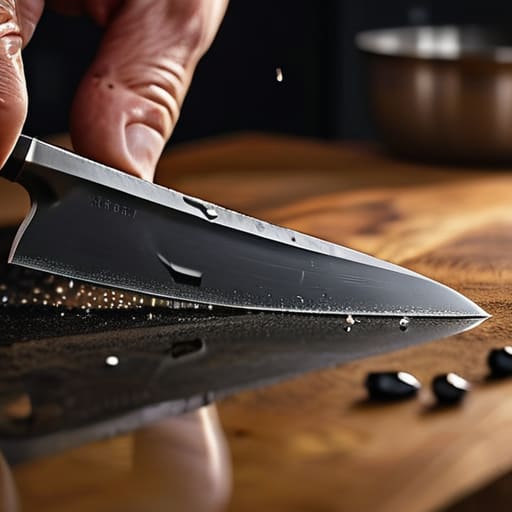
As we pull our focus back from the grit of the whetstone, I hope you feel a newfound sense of kinship with your tools. We have traveled from the delicate nuances of maintaining the perfect angle to the meditative, rhythmic wisdom required to truly master the stone. Remember, whether you are using a specialized honing rod for a quick touch-up or committing to the deep, transformative work of a multi-grit stone, the goal remains the same: precision and respect. It isn’t just about making a piece of steel easier to push through a tomato; it is about understanding that the quality of our tools dictates the quality of our craft, much like how the health of the soil dictates the bounty of the harvest.
Looking out from my rooftop greenhouse this evening, I’m reminded that nothing in this life truly thrives without consistent, intentional stewardship. Sharpening your knives is more than a chore; it is a ritual of preparation that honors the ingredients you are about to transform and the hands that will eat them. When we take the time to care for the small things, we cultivate a deeper connection to the entire process of nourishment. So, go ahead—pick up that stone, find your rhythm, and embrace the quiet satisfaction of a blade that is once again ready to serve the table with grace and excellence.