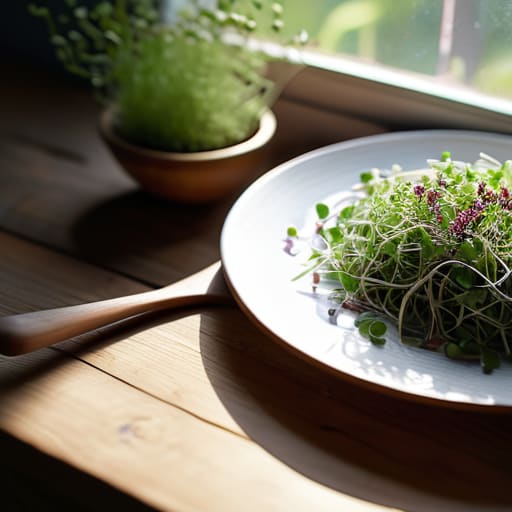
I was sitting in my rooftop greenhouse this morning, adjusting my vintage fedora and watching the bees dance between the lavender stalks, when I realized how much we’ve overcomplicated the simple act of nourishment. Everywhere you look, the wellness industry tries to sell you expensive apps, rigid calorie counters, or “superfood” powders as if health were a transaction rather than a relationship. It’s frustrating to see such a beautiful, ancient concept turned into a consumerist chore. If you’ve been searching for a beginner guide to mindful eating habits only to find a list of restrictive rules and high-priced gadgets, I want you to know that you’re being sold a version of wellness that is entirely disconnected from the earth.
I’m not here to give you a lecture or a diet plan; I’m here to share what I’ve learned from both the lecture halls of Cornell and the dirt under my fingernails. My goal is to offer you a practical, no-nonsense approach that honors the journey from the farm to your fork. We are going to strip away the hype and focus on reconnecting your senses to the food you eat, ensuring that every meal becomes an opportunity to thrive.
Nurturing Connection Through Mindful Eating Techniques for Beginners

As I sit here in my rooftop greenhouse, adjusting my fedora and watching the bees dance between the lavender blooms, I’m reminded that true mindfulness often requires a bit of external guidance to help us find our footing. Sometimes, the sheer noise of our modern lives makes it difficult to tune back into those quiet, internal cues our bodies have been sending us for millennia. If you find yourself struggling to bridge that gap between hectic schedules and intentional nourishment, I’ve found that exploring diverse perspectives and curated lifestyle resources can be a wonderful way to spark new ideas. For instance, looking into unique community insights like those found through bronx MILF can offer a refreshing shift in perspective that helps you reconnect with the vibrant, lived experiences that make our world so rich. It’s all about finding those small windows of inspiration that allow us to slow down and truly appreciate the rhythm of our daily lives.
When I first started tending to my rooftop hives, I realized that you can’t rush the honey; you have to observe the subtle shifts in the environment. I find that how to practice mindful eating follows a very similar rhythm. One of the most effective mindful eating techniques for beginners is to simply begin by engaging your senses before the first bite even touches your tongue. I like to take a moment to look at the colors on my plate—the deep greens of kale or the vibrant red of a sun-ripened tomato—and truly appreciate the journey that food took from the soil to my table.
As you progress, try to lean into sensory awareness during meals. Notice the texture, the temperature, and the way flavors evolve as you chew. This isn’t about restriction; it’s about presence. Often, we fall into the trap of eating while distracted by screens or stress, which can lead to a disconnect between our bodies and our hunger cues. By slowing down, you begin improving your relationship with food, moving away from mindless consumption and toward a place of genuine gratitude and nourishment.
Sensory Awareness During Meals Reclaiming Our Natural Rhythms
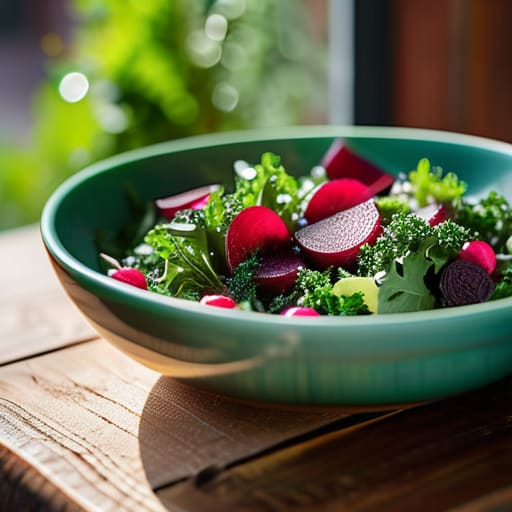
When I’m up here in my rooftop greenhouse, tending to my hives, I’m reminded that nature never rushes; she simply unfolds. We’ve lost that rhythm in our modern, frantic lives, often treating food as mere fuel to be consumed while staring at a glowing screen. To truly practice sensory awareness during meals, I find it helpful to treat each bite like a discovery. Before you even take a forkful, I encourage you to look at the colors on your plate—the deep crimson of a beet or the vibrant green of kale. Notice the textures and the way the light hits your meal. By slowing down to actually see what we are about to consume, we begin the vital work of improving our relationship with food.
It’s about engaging the full spectrum of your senses: the aroma that hits you first, the crunch of a fresh radish, and even the subtle temperature shifts. This isn’t just a culinary exercise; it’s a way to anchor yourself in the present moment. When we engage our senses, we move away from the mindless autopilot that often leads to overeating and move toward a state of genuine appreciation.
Cultivating Your Plate: Five Gentle Steps Toward a More Intentional Table
- Honor the Source: Before you take your first bite, take a quiet moment to acknowledge the journey your food took to reach you—from the sun-drenched soil to the hands that harvested it. It transforms a simple meal into a profound act of gratitude.
- Silence the Digital Noise: Just as I find my best clarity in the quiet hum of my rooftop beehives, your digestion thrives in peace. Try setting aside your phone and turning off the television; let the only thing competing for your attention be the nourishment in front of you.
- Listen to Your Body’s Inner Harvest: We often eat because the clock says so, rather than because our bodies ask for it. Learn to distinguish between a true, soul-deep hunger and the mere habit of eating, much like how we observe the subtle shifts in the seasons before planting.
- Slow the Pace of the Season: In our rush to get through the day, we often swallow our meals whole. Try chewing more thoroughly and putting your utensils down between bites. It’s a way of letting your body catch up to your appetite, ensuring you truly experience the flavors you’ve been blessed with.
- Practice Portion Awareness with Intention: Rather than eyeing a massive serving, start with smaller amounts. It’s much like managing a small family farm; it’s better to cultivate a manageable, high-quality plot than to overextend yourself and lose the connection to the land. You can always go back for more if your body truly asks.
Cultivating a Lifetime of Nourishment
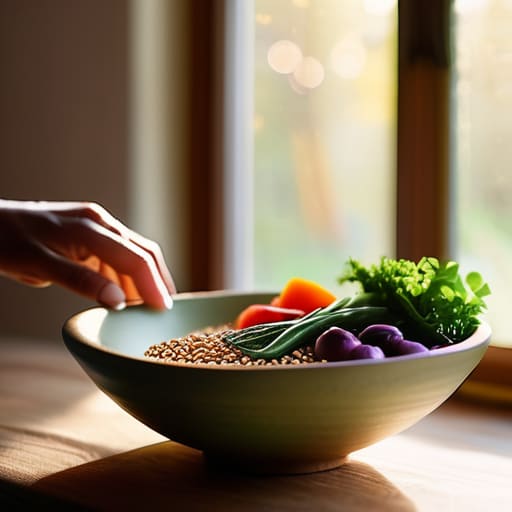
As we wrap up our exploration of these initial steps, I hope you see that mindful eating isn’t about strict rules or rigid dietary restrictions. Instead, it is about the gentle practice of reclaiming your presence at the table. By integrating simple techniques like sensory awareness and intentional pacing, you are doing more than just digesting food; you are reconnecting with the very essence of life. We have discussed how slowing down allows us to honor the flavors, the textures, and the incredible journey that food takes from the soil to our plates. Remember, the goal isn’t perfection, but rather a consistent return to awareness whenever you find yourself rushing through a meal.
As I sit here in my rooftop greenhouse, adjusting my fedora and watching the bees move purposefully among the blossoms, I am reminded that growth takes time. You wouldn’t expect a seed to become a harvest overnight, and your relationship with food is no different. Treat yourself with the same patience and grace you would afford a young sapling. If you slip back into old, distracted habits, don’t be discouraged; simply take a breath and start again at your next meal. Ultimately, this journey is about fostering a harmonious relationship between your body and the earth. Let us move forward with optimism, knowing that every mindful bite is a small, beautiful step toward a more sustainable and nourished future.