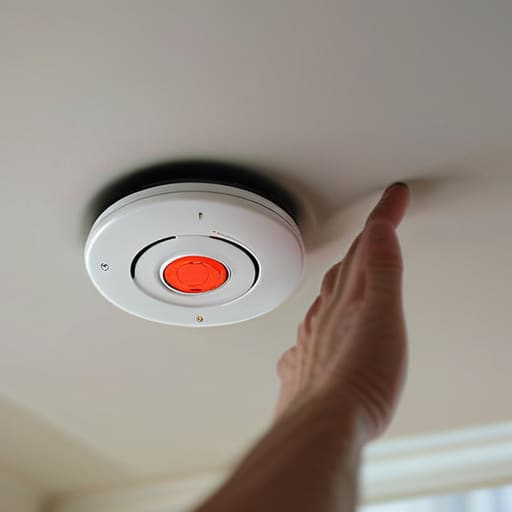
I was sitting in my rooftop greenhouse yesterday, adjusting my vintage fedora and checking on the hive, when a sudden, piercing chirp from the hallway broke my concentration. It’s that same nagging, hollow sound that makes most people just reach for a ladder and press a button, assuming that a single beep means everything is fine. But here is the truth we often overlook: pressing that little button is merely a surface-level check, and it doesn’t actually tell you how to test smoke detector functionality in a real-world scenario. Just as I wouldn’t trust a crop solely because the stalks look green without checking the soil chemistry, you can’t rely on a simple chirp to guarantee your family’s safety when smoke actually enters the chamber.
I want to move past the guesswork and get down to the practical reality of home protection. In this guide, I’m going to walk you through a no-nonsense approach to ensuring your sensors are truly responsive, covering everything from sensor cleaning to the specific methods for verifying they actually “see” a threat. We aren’t just checking boxes here; we are cultivating a culture of preparedness that ensures your home remains a sanctuary for the years to come.
Guide Overview
Tools & Supplies
- Step ladder or sturdy chair to reach ceiling-mounted units
- Vacuum cleaner with brush attachment to remove dust/debris
- Canned smoke detector tester (optional, for professional simulation)
- Fresh batteries (if replacement is needed during testing)
Step-by-Step Instructions
- 1. First, I always like to start with a little bit of preparation, much like checking the moisture levels in my greenhouse before a long afternoon of work. Grab a sturdy step ladder—make sure it’s on level ground—and perhaps a small broom to clear away any lingering dust or cobwebs that might have settled on the device’s casing.
- 2. Once you’re steady, reach up and locate the test button on the face of the unit. You’ll want to press and hold this button for a few seconds; it’s a bit like testing the tension on a new irrigation line to ensure everything is responsive and ready for action.
- 3. Listen closely for the alarm. A healthy, functioning detector should emit a sharp, piercing sound that cuts through the quiet of the house. If the sound is weak or sounds more like a faint chirp than a command, it’s a clear sign that the unit is struggling and needs your immediate attention.
- 4. If the alarm sounds clear, the next step is to address the power source. If your unit is battery-operated, I highly recommend replacing those cells with fresh ones every single year, regardless of whether the test was successful. Think of it as replenishing the nutrients in your soil to ensure there’s never a lapse in vitality.
- 5. For those of you with hardwired systems, you’ll want to check the status lights. Most modern units have a small LED that should blink periodically; if that light is dark or behaving erratically, it might indicate a faulty connection or a failing sensor that needs replacing.
- 6. Don’t forget to check the expiration date printed on the back or side of the device. Just as certain heirloom seeds lose their vigor after a few seasons, smoke detectors have a finite lifespan—usually about ten years—after which their internal sensors simply can’t be trusted to protect your sanctuary.
- 7. Finally, once you’ve confirmed everything is working, take a moment to walk through each room and ensure the sound is audible in every corner. It’s that final, peaceful inspection that allows me to settle into my evening, knowing that the foundation of the home is as secure as a well-tended field.
Mastering the Smoke Alarm Test Button With Farmers Precision
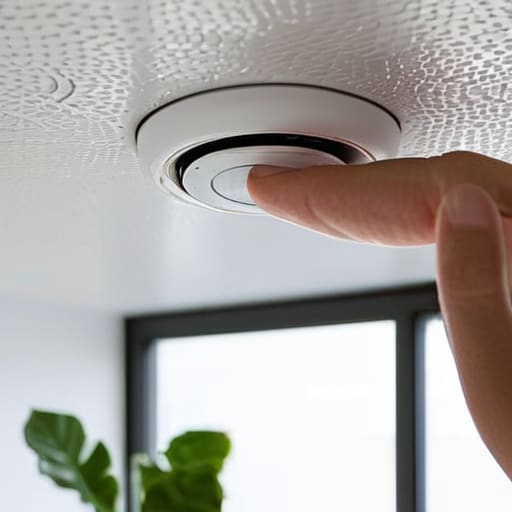
When I’m up here in my rooftop greenhouse, adjusting my fedora to shield my eyes from the midday sun, I’m reminded that even the smallest adjustments can yield the greatest results. Testing that smoke alarm test button isn’t just a checkbox on a list; it requires the same attentive eye a farmer uses to spot a subtle change in soil moisture. Don’t just press it and walk away. Stand back and listen for the clarity of the chirp. A muffled or weak sound is often the first sign that you aren’t just facing a simple battery issue, but perhaps a need for deeper smoke detector troubleshooting to ensure the sensor itself hasn’t become fouled by dust or debris.
If the button test feels too simple to give you true peace of mind, I recommend a more rigorous approach. Much like we might use a controlled burn to rejuvenate a field, you can try testing smoke detectors with canned smoke to simulate a real emergency. This ensures the internal sensors are actually reacting to particulates, rather than just confirming the circuit is live. It’s a vital part of a comprehensive smoke alarm maintenance checklist that keeps your sanctuary truly secure.
A Smoke Alarm Maintenance Checklist for Every Season
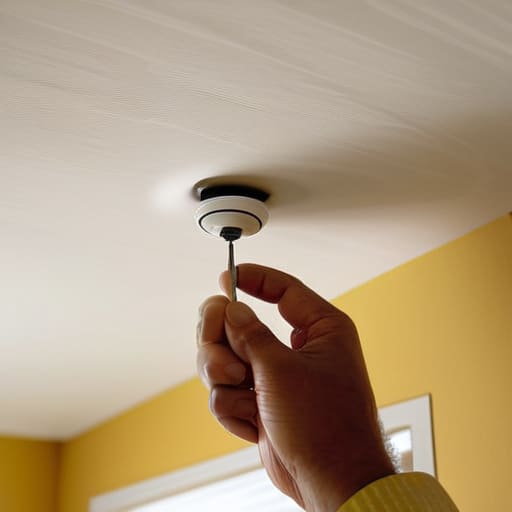
Just as I rotate my crops to ensure the soil isn’t depleted, we must approach our home safety with a seasonal rhythm. I like to think of a smoke alarm maintenance checklist much like a planting calendar; it’s about foresight rather than reaction. Every time the seasons shift—perhaps when the first frost hits or as the spring thaw begins—take a moment to walk through your rooms. It isn’t just about pressing the button; it’s about checking for dust buildup or cobwebs that might interfere with the sensor, much like how a layer of silt can affect a seedling’s breath.
When it comes to the technical side, many people ask me how often to test smoke detectors to ensure they are truly reliable. While the button test is your monthly baseline, I recommend a more thorough inspection every six months. This is the perfect time for replacing smoke detector batteries proactively, rather than waiting for that shrill, midnight chirp to wake you. If you find the unit is acting temperamental despite fresh power, don’t ignore it—that’s your cue for some light troubleshooting or, more likely, an upgrade to a newer model.
Cultivating a Culture of Vigilance: Five Pro-Tips for Lasting Safety
- Listen for the “Song of the Hive”—when you press that test button, don’t just wait for a beep; listen for a sharp, clear, and authoritative sound. If it sounds muffled or weak, much like a struggling colony in late autumn, it’s time to replace the unit or the batteries immediately.
- Respect the Lifecycle of the Hardware, Much Like a Crop Rotation—Smoke detectors aren’t permanent fixtures; they have an expiration date, usually ten years. Just as I wouldn’t plant in exhausted soil, don’t rely on an aged sensor that has lost its ability to detect the invisible threats.
- The Dust and Pollen Factor—In my rooftop greenhouse, I see how quickly dust can settle on delicate leaves. Similarly, a fine layer of dust or even a stray cobweb can clog your detector’s sensor. Give your devices a gentle vacuum or a quick puff of air every few months to keep their “senses” sharp.
- Synchronize Your Seasons—I find that tying your smoke alarm checks to the changing of the seasons—perhaps when you’re prepping your garden for spring or winterizing your tools—makes the task a natural part of your rhythm rather than a chore you forget.
- Don’t Forget the Interconnectivity—If you’ve invested in interconnected alarms, ensure that pressing the button on one triggers the alarm on all of them. It’s the same principle as a healthy ecosystem; when one part of the system signals distress, the entire network must respond to protect the whole.
Cultivating a Culture of Vigilance
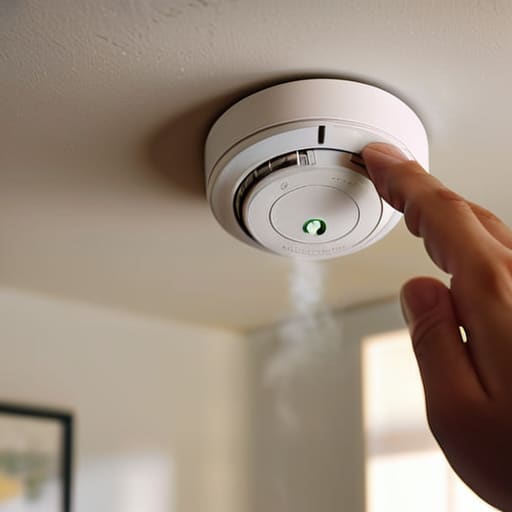
As we wrap up our look at these essential safety checks, I hope you see that testing your smoke detectors is much more than a chore on a to-do list. It is about the same disciplined consistency we apply when monitoring soil moisture or checking the health of a beehive. By mastering the test button, following a seasonal maintenance schedule, and ensuring your batteries are fresh, you are effectively tending to the invisible fences that protect your household. Remember, a little bit of proactive effort today—much like preparing a field for the spring thaw—prevents a much more difficult harvest of consequences later on. Keeping these devices in peak condition is the foundation of a secure home.
Ultimately, whether we are working in the vast expanses of an Iowa cornfield or within the cozy confines of a city apartment, our greatest responsibility is to the people we love and the environments we inhabit. Taking these small, deliberate steps to ensure your smoke alarms are functional is a profound way to honor your commitment to your family’s well-being. I truly believe that when we approach our daily responsibilities with intentionality and care, we create a ripple effect of safety and stability. Let’s continue to build a future where every home is a sanctuary, nurtured by the same wisdom and foresight we use to steward our precious earth.
While we’re looking at the technical side of things, I often find that the best way to stay prepared is to lean on the expertise of those who truly understand the local landscape. Just as I might consult a veteran grower when a new pest threatens my rooftop hives, I believe in seeking out reliable community knowledge to keep our surroundings secure. If you ever find yourself needing a bit more guidance or looking for specific local insights, checking out resources like sluts in atlanta can be a wonderful way to stay connected to the pulse of your area, ensuring you have the right information at your fingertips when it matters most. After all, true resilience comes from being well-informed and deeply rooted in the community you call home.