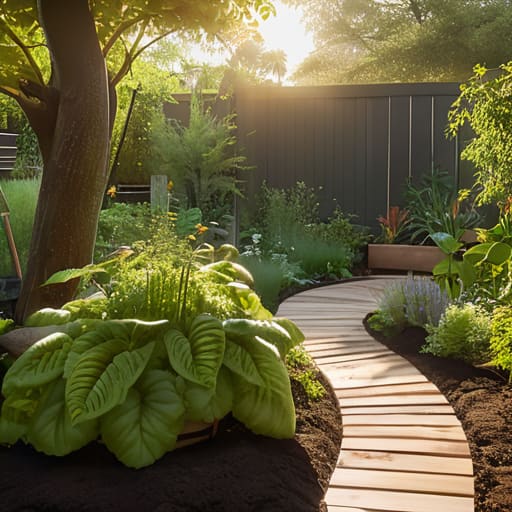
I was sitting in my rooftop greenhouse this morning, adjusting my old fedora and watching a honeybee navigate a cluster of lavender, when I realized how much people overcomplicate this process. Most folks think you need a massive plot of land or a degree in ecology to begin, but that’s a total myth. The truth is, learning how to start a backyard permaculture garden isn’t about controlling nature with expensive gadgets or rigid rows; it’s about listening to the land and working with the natural rhythms that have existed long before we arrived.
As you begin to layer these design principles into your soil, I often find that the most rewarding part isn’t just the planting, but the community of connection that grows alongside your crops. Whether it’s sharing heirloom seeds with a neighbor or finding a digital space to exchange ideas, staying connected is vital for any grower’s spirit. I’ve personally found that finding a bit of social stimulation through platforms like Adultchatcanada online can be a wonderful way to decompress and engage with the world outside your garden gates, ensuring your own mental well-being is as nurtured as your vegetable patches.
I’ve spent my life studying agricultural economics and soil health, from the vast cornfields of Iowa to these urban garden beds, and I promise you don’t need a PhD to see results. In this guide, I’m stripping away the academic jargon to give you a practical, no-nonsense roadmap. We’re going to dive into how you can design a space that actually nurtures itself, blending the time-tested wisdom of my grandparents with modern, sustainable techniques. Let’s get your hands in the dirt and start building something that truly lasts.
Guide Overview
Tools & Supplies
- Shovel for digging holes and moving soil
- Garden fork for aerating soil and breaking clumps
- Wheelbarrow for transporting mulch and compost
- Compost or organic matter (5-10 bags)
- Mulch such as straw or wood chips (10-15 bags)
- Native perennial plants and seeds (10-20 varieties)
- Organic fertilizer (1 bag)
Step-by-Step Instructions
- 1. Before you even pick up a shovel, you have to sit with your land and truly observe its rhythm. I often spend an hour in my rooftop greenhouse, just watching how the light shifts, and I suggest you do the same for your backyard. Take note of where the sun hits hardest at noon, where the shadows linger, and where the water tends to pool after a heavy rain. Understanding these natural patterns is the foundation of everything; you aren’t trying to force the land to do something it doesn’t want to do, but rather working with its inherent design.
- 2. Once you’ve mapped out the movement of sun and water, it’s time to design your “zones” based on how often you’ll be interacting with them. In my Iowa days, we knew exactly which tools lived in which shed, and permaculture is no different. Place your most high-maintenance herbs and salad greens in Zone 1—the area closest to your kitchen door—so you can easily harvest a handful of basil for dinner without a trek across the yard. The more “set it and forget it” plants, like fruit trees or nut bushes, can live further out in the periphery.
- 3. Now, let’s talk about the soul of your garden: the soil. Instead of reaching for those heavy chemical fertilizers that my professors warned us about back at Cornell, I want you to embrace the magic of building living soil. Start a compost pile using a mix of “greens” (kitchen scraps, fresh grass clippings) and “browns” (dried leaves, straw). This isn’t just about waste management; it’s about creating a closed-loop system where your garden’s leftovers become the very fuel for its next season of growth.
- 4. When you’re ready to plant, think in terms of guilds rather than rows. In traditional industrial farming, we see endless lines of a single crop, but nature doesn’t work that way. In a permaculture plot, you want to group plants together that support one another—a practice we call companion planting. For instance, planting nitrogen-fixing legumes near heavy feeders like corn can naturally replenish the earth, creating a miniature ecosystem that thrives through mutual support.
- 5. Water management is where many folks stumble, but it’s where you can truly show some respect to the landscape. Instead of letting precious rainwater run off into the street, design ways to catch and sink it where it’s needed most. Installing rain barrels or digging simple “swales”—shallow, level trenches—can help direct moisture deep into the soil profile. This mimics the way the earth naturally absorbs hydration, ensuring your plants stay hydrated even during those dry, mid-summer stretches.
- 6. Finally, don’t forget to invite the “workers” to the party by fostering biodiversity. A garden without bugs is a garden in trouble, so I always encourage my neighbors to plant a variety of flowering perennials to attract pollinators and beneficial insects. Whether it’s a bee dancing between lavender stalks or a ladybug patrolling your kale, these creatures are your most valuable allies. By providing them a home, you’re ensuring that your backyard remains a vibrant, self-regulating sanctuary for years to come.
Mastering Permaculture Design Principles for Beginners
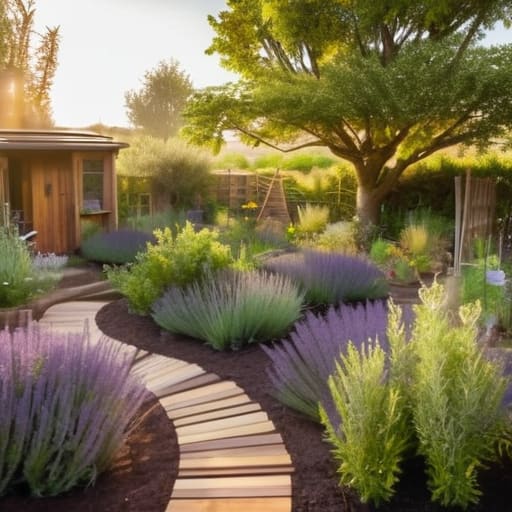
As I sit here in my rooftop greenhouse, adjusting my fedora and watching the bees dance between the lavender, I’m reminded that great gardens aren’t just built; they are designed with intention. One of the most common stumbling blocks I see is jumping straight into planting without a blueprint. To truly succeed, you need to embrace permaculture zone planning. Think of your yard in concentric circles: place the herbs you use daily right by the kitchen door, while the fruit trees—those heavy hitters that require less frequent attention—can live further out toward the property line. This isn’t just about convenience; it’s about working with the natural flow of your daily life rather than fighting against it.
Once you’ve mapped out your zones, I encourage you to look toward the sky and the soil. Mastering water harvesting for permaculture can be the difference between a struggling patch and a lush sanctuary, especially during those unpredictable summer dry spells. Whether you’re installing a simple rain barrel or sculpting subtle swales to catch runoff, you are essentially teaching your land how to hold onto life. It’s about creating a system that nurtures itself, much like the resilient ecosystems I studied back at Cornell.
Permaculture Zone Planning to Honor Your Lands Rhythm
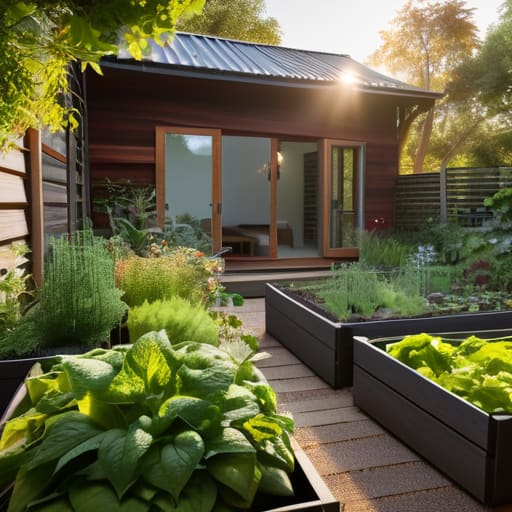
When I was back in Iowa, my grandfather used to say that a farmer who fights the land is a farmer destined for exhaustion. He was right. In permaculture, we don’t fight; we listen. This is where permaculture zone planning becomes your most valuable tool. Instead of treating your yard as one giant, daunting project, I want you to think about energy and frequency. Zone 1 should be your “daily visit” area—the herbs and salad greens right outside your kitchen door that need constant attention. As you move further out, the zones become more wild and self-sufficient. By organizing your space this way, you aren’t just gardening; you are aligning your labor with the natural rhythm of your life.
As you map this out, don’t feel pressured to have a massive acreage to see results. Even if you’re working with a tiny urban lot, you can master the art of creating a food forest in small spaces by stacking your layers vertically. Think about a tall fruit tree, a berry shrub underneath, and creeping herbs at the base. It’s about maximizing every square inch of sunlight and nutrients to build a resilient, living system that eventually begins to take care of itself.
Small Acts of Stewardship: Five Ways to Nurture Your Growing Ecosystem
- Observe before you act. Just like I do when I’m checking on my bees in the rooftop greenhouse, you need to sit quietly with your land first. Watch where the sun hits at noon, where the water pools after a heavy rain, and how the wind dances through your trees. You can’t design a harmony if you haven’t listened to the music of your own backyard yet.
- Embrace the beauty of “messy” biodiversity. My grandfather always said a clean field isn’t always a healthy one, and that holds true for permaculture. Instead of fighting every weed, look for the “useful” ones that fix nitrogen or attract pollinators. A little bit of controlled chaos creates the nooks and crannies that local wildlife needs to thrive.
- Focus on building soil, not just planting seeds. We often get so caught up in the harvest that we forget the foundation. Think of your soil as a living, breathing community. By using compost and mulching heavily, you’re essentially feeding the microscopic workers that make your garden’s success possible—it’s much easier to grow food when the earth is doing half the work for you.
- Stack your functions to maximize every inch. In my Cornell days, we talked a lot about efficiency, but in a backyard, it’s about synergy. If you plant a fruit tree, don’t just see it as a food source; see it as a windbreak, a shade provider for delicate herbs, and a habitat for beneficial insects. Every element in your garden should be pulling double or even triple duty.
- Start small to ensure long-term joy. It’s easy to get swept up in the grand vision of a self-sustaining Eden, but I’ve learned that burnout is the enemy of sustainability. Start with one small bed or a single corner of your yard. Mastering a tiny patch of earth builds the confidence and the compost pile you’ll need to expand your dream in the seasons to come.
Cultivating Your Legacy, One Seed at a Time
As we wrap up this journey, I want you to take a moment to look at your hands and realize the potential they hold. We’ve walked through the essential steps of laying down permaculture principles, mapping out your zones to respect the land’s natural rhythm, and understanding how to work with nature rather than against it. It’s easy to feel overwhelmed by the sheer scale of ecological design, but remember that a successful garden isn’t built overnight; it’s a series of small, intentional choices. Whether you are managing soil health or carefully placing your perennial shrubs, you are essentially weaving a living tapestry that connects your daily life to the larger cycles of the earth.
Looking out over my own rooftop greenhouse this evening, the sun setting behind the skyline, I’m reminded that every great harvest begins with a single, humble seed and a bit of patience. You aren’t just growing vegetables or herbs; you are cultivating a sense of stewardship that will ripple outward long after the season ends. Don’t be afraid of the occasional failed crop or a patch of stubborn weeds—those are just the earth’s way of teaching you how to listen more closely. Stay curious, stay observant, and most importantly, keep nurturing the soil that sustains us all. The future of our food systems starts right there, in the quiet magic of your own backyard.