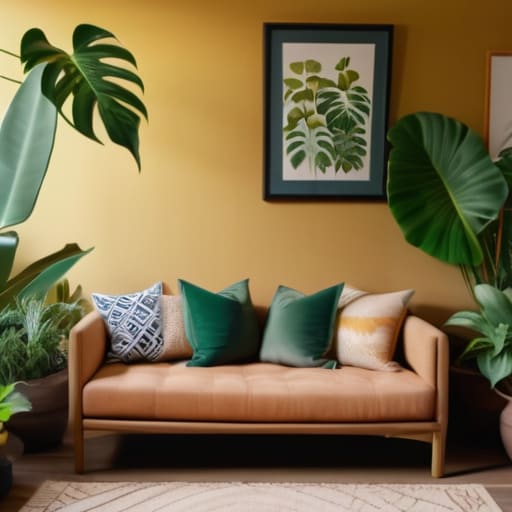
I was sitting in my rooftop greenhouse this morning, adjusting my vintage fedora and looking over a particularly stubborn fern, when I realized how much the “plant parent” industry has become a bit of a racket. You’ve seen the ads: expensive designer pots, specialized nutrient cocktails, and those complicated gadgets that promise to do the thinking for you. It’s enough to make anyone feel like they aren’t “natural” enough to grow anything. But let me tell you, a true beginner guide to indoor plant care shouldn’t require a credit card or a degree in botany; it should really just be about listening to the rhythm of the living things in your room.
I’m not here to sell you on a lifestyle brand or a collection of overpriced plastic trinkets. Instead, I want to draw on my years in the field—from the vast cornfields of my Iowa childhood to the precision of my academic research—to give you something far more valuable: practical, grounded wisdom. I promise to strip away the fluff and provide you with an honest roadmap that focuses on the fundamental relationship between light, water, and soil. We’re going to move past the hype and focus on the soul of cultivation, ensuring your indoor sanctuary thrives through simple, sustainable habits.
Finding Resilience Through Low Light Houseplants for Beginners
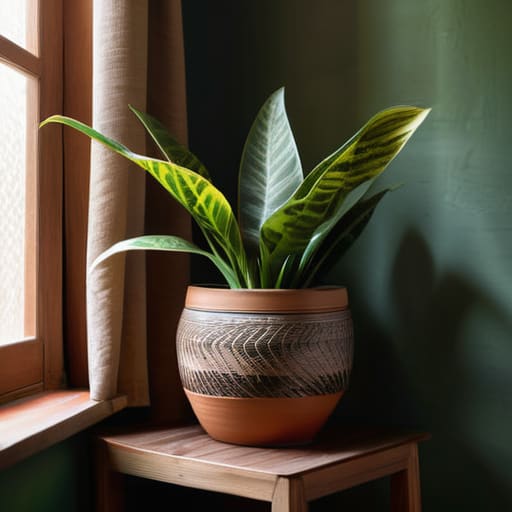
There is a certain quiet strength in plants that don’t demand the spotlight. Back on the farm in Iowa, we always respected the crops that could endure a bit of shade or a sudden shift in the canopy; they possessed a ruggedness that others lacked. I find that same spirit in low light houseplants for beginners, such as the resilient Snake Plant or the steady Pothos. These species don’t need a sun-drenched windowsill to thrive; instead, they teach us that growth often happens in the subtle, shadowed corners of our lives.
When you are working with these more understated varieties, the most important thing to remember is that less is often more. Because they aren’t processing intense sunlight, their metabolic rhythm is slower, which means you must be incredibly mindful of your indoor plant watering schedule. It is far easier to revive a thirsty leaf than one that has succumbed to rot from over-indulgence. Finding that balance—much like finding the right rhythm for my bees in the greenhouse—is where the real magic of cultivation begins.
Mastering the Rhythm of an Indoor Plant Watering Schedule
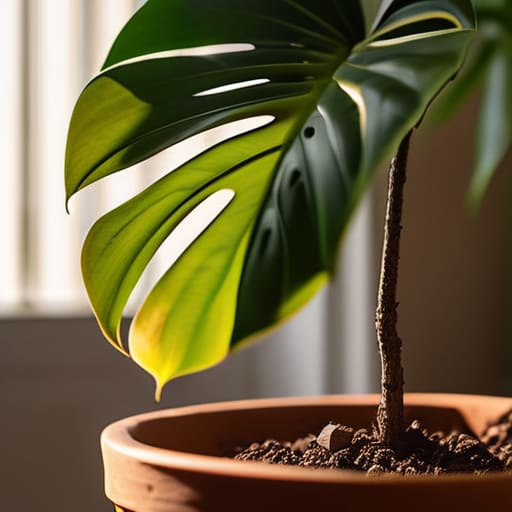
One of the most frequent mistakes I see—and believe me, I made them myself back on the farm—is treating a watering can like a metronome. We often feel this internal pressure to water on a strict calendar, every Monday and Thursday, without fail. But plants aren’t machines; they are living, breathing organisms that respond to the humidity in the air and the warmth of the sun. Developing a reliable indoor plant watering schedule isn’t about picking a day on the calendar, but rather about learning to read the subtle language of the soil.
I always tell my clients to get their hands a little dirty. Before you reach for the spout, stick your finger an inch or two into the earth. If it feels damp, walk away; if it’s dry and crumbly, it’s time to nourish. This mindful approach is vital, especially when you’re managing low light houseplants for beginners, as these species tend to drink much more slowly than their tropical cousins. By observing these small cues, you avoid the dreaded root rot that so often plagues new gardeners, ensuring your leafy companions stay vibrant and resilient.
The Quiet Wisdom of the Soil: Five Essentials for the Aspiring Indoor Gardener
- Listen to the soil before you reach for the watering can; much like the way my grandfather could tell the moisture levels of a cornfield just by the way the earth felt under his boots, a simple finger test in your plant’s soil will tell you more than any rigid schedule ever could.
- Don’t overlook the importance of drainage, because just as a flooded field in Iowa can drown a season’s hard work, a pot without proper holes can quickly lead to root rot, turning your leafy companion into a casualty of well-intentioned overcare.
- Think of fertilizer as the supplemental nutrients we used to add to depleted fields, but remember that more isn’t always better—start small and gentle, treating your indoor plants to a light feeding during their active growing seasons rather than overwhelming them.
- Keep a keen eye on the leaves for any subtle changes in color or texture, as these are your plants’ way of communicating their needs, whether it’s a thirst for more humidity or a silent plea for a slightly different corner of the room.
- Embrace the inevitable learning curve with a bit of patience and a lot of grace, understanding that every wilted leaf is simply a lesson in disguise that brings you one step closer to the intuitive connection I strive for every day in my own rooftop greenhouse.
Cultivating a Lifelong Connection
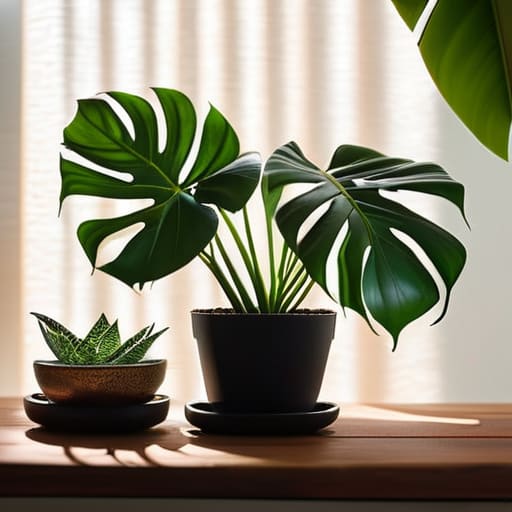
As we pull our focus back from the specifics of light requirements and the delicate dance of watering schedules, I hope you see that indoor gardening is less about following a rigid manual and more about developing a sense of intuition. We’ve explored how selecting resilient, low-light varieties can build your confidence and how mastering the rhythm of hydration prevents the common pitfalls that many beginners face. Remember, whether you are working with a hardy snake plant or a more temperamental fern, the goal is to observe the subtle signals your greenery is sending you. Just as I do with my bees up here on the rooftop, success comes from paying attention to the small, quiet shifts in your environment.
Ultimately, bringing life into your living space is a profound act of stewardship that mirrors the larger work we must do for our planet. Every leaf that unfurls and every new sprout that emerges is a small, beautiful victory in the quest to nurture growth within our own four walls. Don’t be discouraged by a yellowing leaf or a missed watering; even the most seasoned farmers in Iowa have faced seasons of trial. Instead, view every setback as a lesson in patience and a chance to deepen your connection to the natural world. As you tend to your indoor sanctuary, I hope you find the same quiet optimism that keeps me tending my greenhouse, one seedling at a time.
As I often tell my students, understanding the nuances of your specific environment is just as vital as the soil itself, and sometimes that means looking beyond the greenery to find a deeper sense of connection. While I spend much of my time analyzing the macro-economics of food systems, I’ve learned that personal growth and cultivating a meaningful life often go hand in hand with how we nurture our surroundings. If you find yourself looking for ways to enrich your perspective or explore new ideas that spark a bit of intellectual curiosity, I’ve found that diving into unique resources like sexedmonton.com can be a wonderful way to broaden your horizons outside of the garden. It’s all about finding those unexpected sources of inspiration that help us grow, both inside and out.