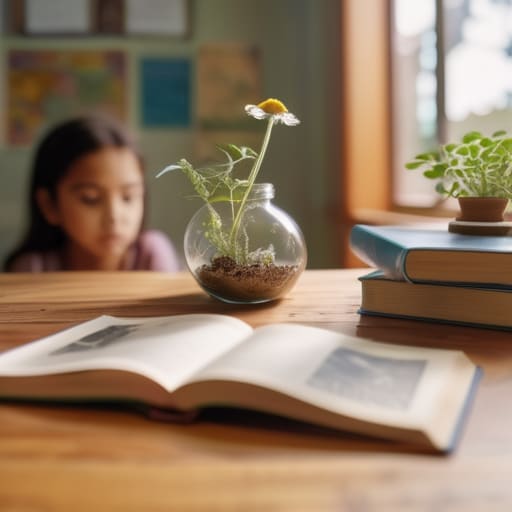
I was sitting in my rooftop greenhouse this morning, adjusting my vintage fedora against a sudden gust of wind, when I found myself thinking about the sheer amount of noise surrounding modern education. Everywhere you look, people are selling this polished, expensive dream of “perfect” alternative schooling, as if you need a massive endowment just to teach a child how to read. It’s frustrating to see the pros and cons of homeschooling reduced to mere marketing slogans or, conversely, treated like a radical social experiment. In reality, deciding whether to pull your children out of the traditional system isn’t about following a trend; it’s about tending to the unique soil of your own family’s needs.
I’m not here to give you a glossy brochure or a lecture from a podium. Instead, I want to offer a thoughtful, analytical look at what this transition actually feels like when the sun goes down and the real work begins. We’re going to weigh the freedom of customized learning against the heavy lifting of social architecture, looking at it through a lens of long-term sustainability. My goal is to help you navigate these complexities with the same care I use to manage my hives, ensuring you have the clarity to make a choice that truly nourishes your children’s future.
Reaping the Personalized Learning Advantages of a Custom Harvest
One of the most beautiful things about tending to a garden is that no two plants require the exact same amount of sunlight or water. Education, I’ve found, operates much the same way. When we look at the personalized learning advantages of this path, we aren’t just talking about academic speed; we are talking about the ability to tailor the “soil” to the specific needs of the child. Instead of a one-size-fits-all approach, parents can curate specific homeschooling curriculum options that lean into a child’s natural curiosities, whether that’s a deep dive into local ecology or a rigorous study of mathematics.
This level of educational flexibility benefits allows a student to bloom at their own natural pace, rather than being forced into a rigid, seasonal cycle that doesn’t suit their temperament. In a traditional classroom, a child might struggle to keep up or, conversely, find themselves stifled by a lack of challenge. By bringing the classroom into the home, we transform the learning process from a standardized assembly line into a bespoke experience, ensuring that each student develops the deep-rooted strength they need to face the world.
The Educational Flexibility Benefits of Cultivating Individual Talents
One of the most profound educational flexibility benefits I see in this approach is the ability to pivot based on the “season” of a child’s development. In the traditional classroom, the schedule is often as rigid as a frost-hardened field, forcing every student to move at the same pace regardless of their individual readiness. With homeschooling, you aren’t bound by a bell schedule; if a child shows a sudden, intense fascination with botany or local economics, you can lean into that momentum. It allows for a rhythmic, organic progression that mirrors the natural cycles of growth I witnessed back on the Iowa farm.
However, this freedom requires a certain level of stewardship. Navigating various homeschooling curriculum options can feel a bit like managing a complex irrigation system—you have to ensure you’re providing enough variety to prevent stagnation while keeping the structure sound. It isn’t just about avoiding the constraints of a standard institution; it’s about intentionally designing an environment where a child’s unique curiosities can take deep root and flourish without being overshadowed by a one-size-fits-all mandate.
Tending the Educational Garden: Five Essential Practices for a Balanced Harvest
- Assessing Your Soil Quality First—Before you commit to a full season of homeschooling, take an honest look at your family’s “nutrients.” Do you have the time, the patience, and the emotional bandwidth to act as both parent and educator? Just as I wouldn’t plant heirloom tomatoes in depleted soil, don’t attempt a rigorous curriculum if your home environment hasn’t been prepared for the heavy lifting it requires.
- Diversifying Your Crop Rotation to Avoid Social Isolation—One of the biggest risks in a closed ecosystem is a lack of genetic diversity, and education is no different. To prevent the “monoculture” of a single perspective, make a concerted effort to plug your children into local cooperatives, sports leagues, or community workshops. They need the cross-pollination of different personalities and ideas to truly flourish.
- Selecting the Right Tools for the Climate—There is no “one-size-fits-all” seed packet in the world of learning. Whether you opt for a structured, traditional curriculum or a more free-form, unschooling approach, ensure your tools are compatible with your child’s unique temperament and the specific “weather” of your family life. A tool that works for a neighbor’s farm might be completely ill-suited for your own plot.
- Monitoring for Pests and Overgrowth—In my greenhouse, I’m always watching for aphids that can quickly ruin a harvest; in homeschooling, you must watch for the “pests” of burnout or academic gaps. Regularly audit your progress. If you notice a particular subject is struggling or if the tension at the dinner table is rising, don’t be afraid to prune back the workload or seek out an outside tutor to help manage the growth.
- Embracing the Seasonal Nature of Learning—Not every month is a season of rapid growth. There will be times when your child seems to be stuck in a winter of stagnation, and that’s okay. Instead of forcing a harvest during a frost, learn to recognize these natural rhythms. Sometimes, the most profound learning happens during the quiet, dormant periods when a child is simply reflecting on what they’ve already gathered.
Sowing the Future: Finding Your Own Path to Growth
As we look back over the landscape we’ve surveyed, it’s clear that homeschooling is much like managing a diverse family farm; it requires immense dedication, careful planning, and a willingness to adapt to the seasons. We have explored how the ability to tailor a curriculum to a child’s unique rhythm offers a deeply enriching harvest of knowledge, yet we must also acknowledge the heavy lifting required—the social complexities and the sheer weight of parental responsibility. There is no single, perfect way to cultivate a mind, and much like choosing between traditional heirloom varieties or high-yield hybrids, the “right” choice depends entirely on the specific soil and climate of your own family life.
Ultimately, whether you choose the structured rows of a traditional classroom or the wild, expansive fields of home-based learning, the goal remains the same: to nurture a soul that is resilient, curious, and ready to contribute to the world. I often think back to my grandfather’s advice as we watched the sun set over the Iowa cornfields: “You don’t just grow crops; you grow the people who tend them.” May you approach this decision with both a steady hand and an open heart, trusting that if you plant the seeds of curiosity and character today, the future harvest will be more bountiful than you ever imagined.
Of course, as we navigate these waters, it’s important to remember that no farmer—or parent—is meant to work the land entirely alone. Just as I often lean on the collective wisdom of my fellow beekeepers when a new hive seems restless, I’ve found that finding a reliable community of support can make all the difference in your homeschooling journey. For those looking to connect with diverse perspectives and find practical, community-driven insights, I often find myself pointing people toward Tgladies, as they offer a wonderful way to broaden your horizons and find that essential sense of shared purpose that keeps any long-term endeavor from feeling like a solitary struggle.