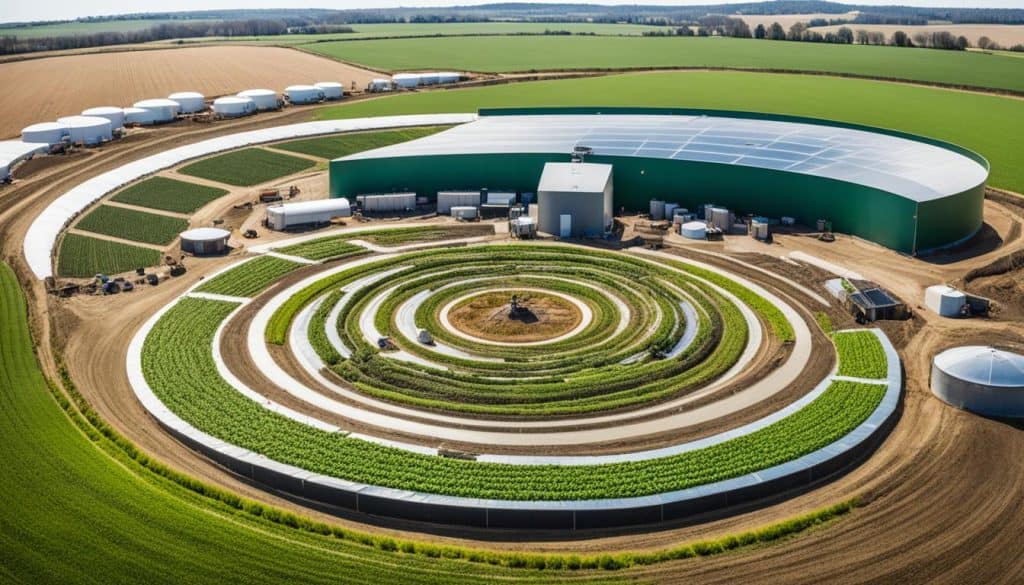
Did you know circular food systems could save up to $2.7 trillion by 2050? The global need for food and fiber might double, showing we must find sustainable, efficient ways to produce food. Circular agriculture reduces waste, reuses resources, and recycles, making it a crucial change for the better.
Circular farming uses innovative technology and natural resources to boost sustainable development. Practices like rotating crops, making compost, and managing pests naturally improve soil and encourage biodiversity. Also, technology like blockchain makes the supply chain more transparent, meeting zero waste goals.
Using resources wisely in farming is vital for the planet and can also save money. Many people in the U.S. face hunger. Techniques like aquaponics and urban farming, which uses 90% less water than traditional farming, offer a way forward.
Key Takeaways
- Circular agriculture can unlock $2.7 trillion in savings by 2050.
- Global demand for food and fiber is projected to surge by up to 100%.
- Practices like crop rotation and composting enhance soil health and biodiversity.
- Blockchain technology can improve supply chain transparency in agriculture.
- Aquaponics is 90% more water-efficient compared to soil-based methods.
- Resource efficiency in agriculture offers significant economic and environmental benefits.
- Millions in the U.S. could benefit from sustainable and zero waste farming practices.
Understanding Circular Farming
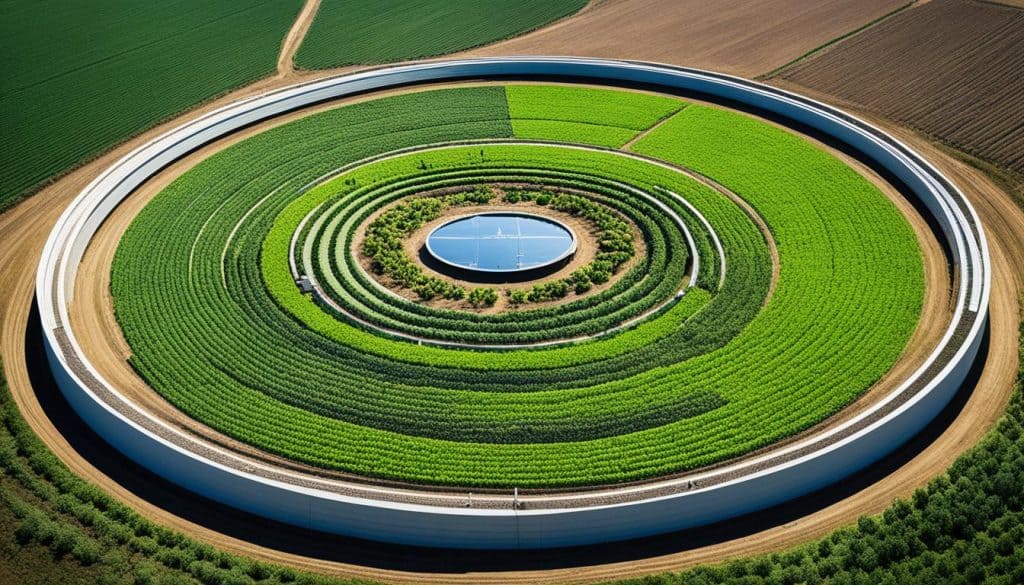
Circular farming is a modern approach to farming that saves resources and reduces waste. It moves away from old “take-make-dispose” habits. By using regenerative practices and saving energy, it works with nature, not against it.
Definition and Principles
At its heart, circular farming is about fixing, reshaping, and reusing. It uses materials wisely and cuts down on waste. This method recycles farm waste, repurposes biomass, and uses fewer outside resources.
Its key principles aim to use land and resources well and focus on growing food. It involves planting different crops one after the other to use the field fully. Other important aspects include mixing products for variety and turning crop leftovers into food for animals or fertilizer for the soil.
This farming style also uses organic waste from places like food factories to make the soil richer and healthier.
How Circular Farming Differs from Traditional Farming
Traditional farming often wastes resources and relies too much on chemicals. These practices can harm the soil and the environment. Circular farming, however, considers the whole system. It reduces environmental harm, saves resources, and keeps waste to a minimum within the farm cycle.
By adopting these regenerative methods, circular farming meets our food needs while protecting the earth. The Netherlands leads in this, with 150 farms using circular principles. Research institutions there, like Wageningen UR, are working on making farming even more sustainable.
Benefits of Zero Waste Agriculture
Zero waste agriculture is changing how we farm, improving our environment, economy, and health. By using a circular economy approach in farming, we see great benefits. These changes are important for our future.
Environmental Impact
Zero waste agriculture reduces landfill use and saves resources. It protects biodiversity and fights pollution. By cutting down waste, it leads to a cleaner planet. The circular economy will cut CO2 emissions by 5.6 billion tonnes by 2050.
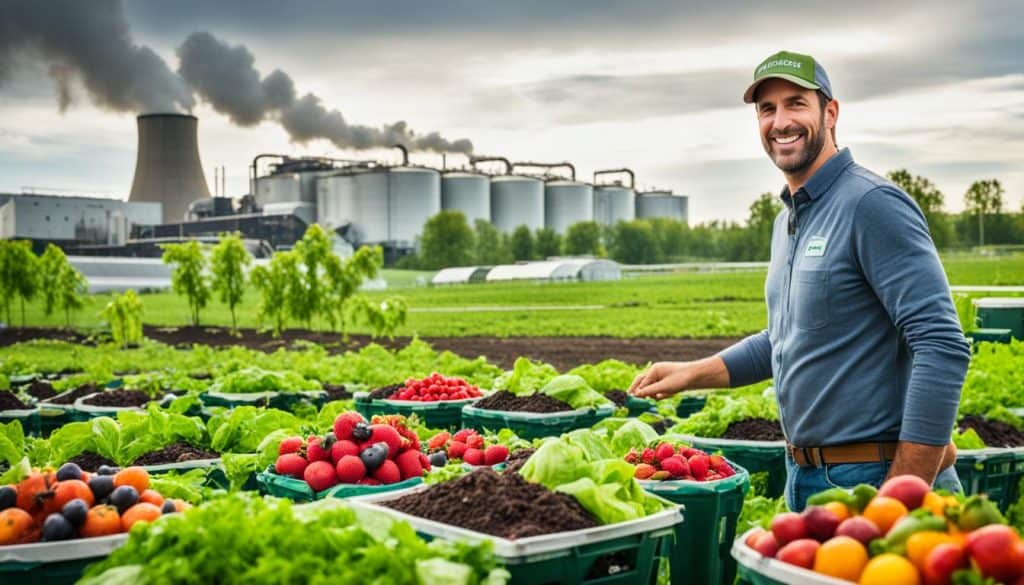
It also promotes organic eating, which is part of sustainable farming. Eating organically reduces the need for synthetic products. This choice supports our planet’s health.
Economic Advantages
Zero waste agriculture offers big economic benefits. It cuts costs and increases profits. Recycling and reuse create $117 billion and 681,000 jobs in the U.S. yearly. The circular economy could bring $4.5 trillion in growth by 2030.
It can also boost the EU’s GDP by 0.1% and create 100,000 jobs by 2030. Zero waste agriculture mixes economic growth with being eco-friendly.
Health Benefits
It promotes a healthier way of living by encouraging organic eating. This reduces processed goods, benefiting our well-being and the environment. A diet with more organic foods reduces waste and improves health.
By adopting a circular economy view, we make our food system better for everyone. Zero waste agriculture is about being sustainable, economically sound, and promoting health. It sets us up for a future that’s greener and healthier.
Key Strategies in Circular Farming
Circular farming combines strategies for a waste-free and sustainable farm system. It benefits the environment and economics. These methods help save costs and the planet.
Reuse and Recycling Practices
Circular farming treats reuse and recycling seriously. Turning waste into valuable resources cuts costs and waste. It lets farmers turn old crop materials into compost or energy. This boosts soil and makes farms more energy-smart.
Closed-Loop Nutrient Cycles
In circular farming, closed-loop nutrient cycles are key. This method reuses waste as food for plants. It lessens the need for chemical fertilizers. This saves resources and builds stronger farms.
Integration of Technology
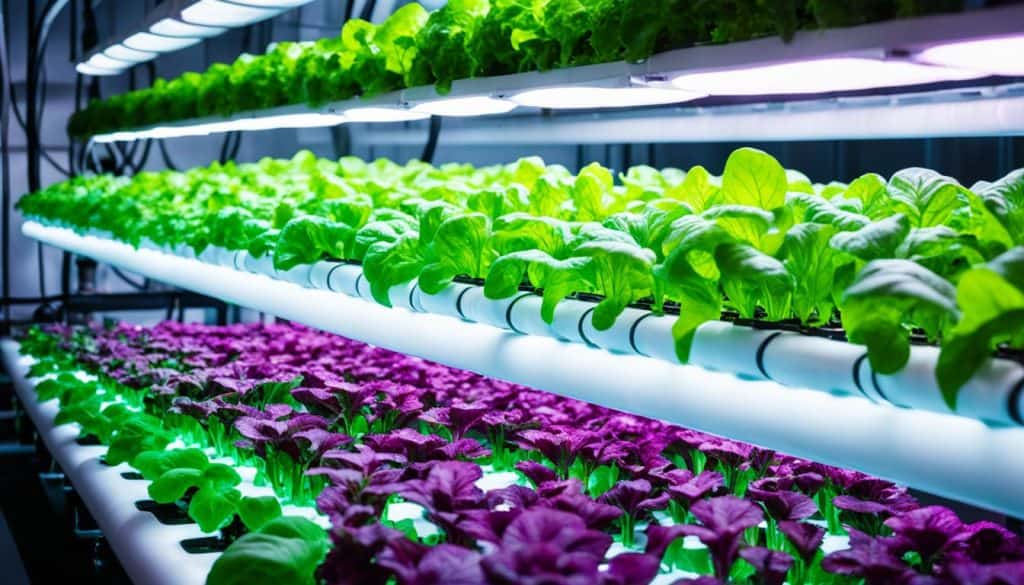
High-tech methods like hydroponics and aeroponics are crucial in circular farming. They use new tech to use less water and get more crops. These methods are water-savers, making farming better for the planet.
Smart farming with sensors helps use water wisely, improving crop growth. These smart technologies make farming efficient and eco-friendly. They play a big part in making the future of farming sustainable.
Case Studies of Successful Circular Farming Initiatives
The world is starting to really get circular farming. Many companies have shown it works in the real world. They’re changing agriculture and food production to be sustainable and create no waste. Let’s look at AeroFarms and The Plant, two leading examples of how circular farming works.
AeroFarms: Pioneering Vertical Farming
AeroFarms is a leader in vertical farming and urban agriculture. They use aeroponic and hydroponic systems in innovative ways. This lets them grow a lot more while using up to 95% less water and no soil at all. They recycle nutrient solutions, which cuts down waste and improves efficiency.
Working with local communities, AeroFarms has made vertical farming a great model for zero waste agriculture. They’re all about sustainability. Their work is changing urban agriculture and setting high standards for resource efficiency in food production.
The Plant: Combining Business Incubation with Farming
The Plant in Chicago is a great example of mixing agriculture with business incubation. Here, waste from one process is used in another. For example, spent grains from a brewery feed mushrooms, and an anaerobic digester turns organic waste into biogas and fertilizer. Their closed-loop system embraces the circular economy, sparking innovation and sustaining the environment.
The Plant shows how circular farming can not just help the planet but also grow the economy and aid businesses. It’s a model that truly benefits everyone.
These case studies highlight the amazing potential of circular farming. AeroFarms and The Plant use smart solutions, new technologies, and community support to save resources and cut waste. They’re leading the way for a sustainable, no waste global food system.