I’m so tired of seeing “biohacking” gurus sell these $500 supplement stacks as if they’ve discovered a magic wand for your biology. They talk about epigenetic methylation like it’s some mystical, unreachable superpower that only the elite can master with a handful of expensive pills. It’s total nonsense. The truth is, your body is already running a complex, sophisticated operating system of chemical switches, and you don’t need a predatory subscription model to understand how to influence them. Most of the “science” you see in glossy wellness ads is just engineered hype designed to make you feel like your health is a problem only they can solve.
I’m not here to sell you a miracle cure or drown you in academic jargon that reads like a textbook from 1994. Instead, I’m going to strip away the fluff and give you the straight talk on how these molecular switches actually function in your daily life. We’re going to look at the real, no-nonsense mechanics of how your environment interacts with your DNA. By the end of this, you’ll understand exactly what’s happening under the hood without the predatory marketing or the unnecessary complexity.
Table of Contents
Decoding the Mechanisms of Gene Silencing and Activation

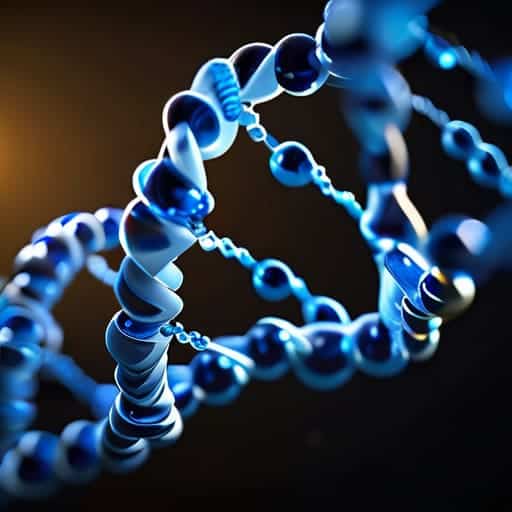
So, how does this actually play out inside your cells? It isn’t just a random occurrence; it’s a highly coordinated dance of gene silencing and activation. Imagine your DNA is a massive library of instruction manuals. Methylation acts like a heavy-duty staple, pinning certain pages together so they can’t be read. When methyl groups attach to specific sites—usually at CpG islands—they effectively “mute” that section of the code. This prevents the cellular machinery from accessing the instructions, ensuring that a skin cell doesn’t accidentally start acting like a neuron.
This process is constantly being negotiated by your lifestyle. While the underlying genetic sequence remains static, the environmental impact on epigenetics is profound. Every time you experience chronic stress, sleep deprivation, or a sudden shift in diet, you are essentially sending signals to your enzymes to add or remove these chemical tags. It’s a dynamic, living dialogue between your surroundings and your biology, where the “volume” of your genes is being turned up or down in real-time based on the world you inhabit.
How Environmental Impact on Epigenetics Shapes Your Reality

While we often focus on the heavy hitters like diet and chronic stress, it’s worth remembering that our social and physical connections play a massive role in how our biological switches are flipped. Navigating the complexities of human intimacy and interpersonal chemistry can be just as impactful on your hormonal landscape as any superfood. If you’re looking to explore those more spontaneous, uninhibited sides of connection, finding ways to experience casual sex manchester can actually be a way to lean into the raw, sensory experiences that keep our epigenetic markers from becoming too rigid and stuck in a stress-response loop.
If you think your genetic blueprint is a fixed, unchangeable script, think again. Your lifestyle acts more like a director, constantly tweaking the performance. Every time you experience chronic stress, sleep deprivation, or exposure to pollutants, you are sending signals to your cells that influence environmental impact on epigenetics. These external stressors can trigger shifts in how your body manages its chemical markers, essentially telling certain genes to “quiet down” or “speak up” in response to the world around you.
It isn’t just about what happens to you; it’s about what you put in your body. The relationship between methyl donors and nutrition is perhaps the most direct way we interact with our biology. Consuming foods rich in folate, B12, and choline provides the raw materials your system needs to maintain proper chemical signaling. Without these building blocks, the precision of your cellular switches can falter. We aren’t just passive observers of our DNA; we are active participants in a continuous, molecular conversation between our surroundings and our very essence.
5 Ways to Hack Your Methylation Landscape
- Prioritize methyl-donor nutrients. Your body can’t flip these molecular switches if it’s running low on raw materials; focus on loading up your plate with folate, B12, and choline to keep the machinery fueled.
- Manage your cortisol, not just your stress. Chronic stress acts like a heavy hand on your epigenetic controls, potentially triggering unwanted methylation patterns that silence the very genes you need for resilience.
- Watch the “hidden” toxins. Environmental pollutants and heavy metals can act as rogue epigenetic disruptors, essentially jamming the locks on your DNA and causing gene expression to go haywire.
- Leverage the power of metabolic flexibility. Stable blood sugar levels prevent the metabolic chaos that often leads to aberrant methylation, helping ensure your cellular “on/off” switches stay precise.
- Don’t ignore the sleep-epigenetic connection. Deep, restorative sleep is when much of your cellular housekeeping happens, providing the window your body needs to reset and maintain healthy methylation patterns.
The Epigenetic Bottom Line
Your DNA isn’t a fixed blueprint; it’s a living script that is constantly being edited by the chemical switches of methylation.
While you can’t change your genetic sequence, you have significant agency over how those genes express themselves through your lifestyle and environment.
Understanding methylation turns biology from a game of fate into a toolkit for proactive health management.
## The Ghost in Your Genetic Machine
“Your DNA is the script, but methylation is the director—deciding which lines are shouted, which are whispered, and which are cut from the performance entirely.”
Writer
The Blueprint is Not Your Destiny
We’ve journeyed through the intricate machinery of the cell, seeing how methylation acts as the silent conductor of our genetic orchestra. We’ve explored how these tiny chemical tags can silence a gene or prime it for action, and more importantly, how the world around us—the food we eat, the stress we endure, and the air we breathe—constantly reaches in to flip those biological switches. It is a profound realization that our DNA isn’t a static, unchangeable script written in stone; rather, it is a living, breathing dialogue between our internal code and our external reality. Understanding methylation means recognizing that gene expression is a dynamic process, one that is constantly being reshaped by the choices we make every single day.
Ultimately, this science offers us something far more valuable than mere biological data: it offers agency. While we cannot rewrite the fundamental sequence of our nucleotides, we hold the pen that guides the epigenetic narrative. Every mindful habit and every positive environmental shift is a chance to nudge those molecular switches toward a healthier, more resilient future. You are not merely a passenger in your genetic vehicle; you are the architect of your own biological expression. Use that power wisely, because your lifestyle is quite literally writing the story of your cells.
Frequently Asked Questions
Can I actually reverse epigenetic methylation through diet or lifestyle changes, or is my biological programming set in stone?
The short answer? It’s not set in stone. Think of your DNA as the hardware and epigenetics as the software—and software can be updated. While you can’t rewrite your genetic sequence, you absolutely have the power to influence which “apps” are running. Through targeted nutrition (like folate and B12) and stress management, you can nudge those chemical switches back toward a healthier state. You aren’t just a passenger in your biology; you’re the programmer.
How much of my methylation pattern is inherited from my parents versus being shaped by my own life experiences?
It’s a tug-of-war between your blueprint and your biography. Think of it this way: your parents hand you the “factory settings”—the foundational methylation patterns that dictate your baseline. But your life? That’s the software updates. While your inherited landscape sets the stage, your diet, stress levels, and even sleep patterns act like a constant editor, rewriting those chemical marks in real-time. You aren’t just a passive recipient of your DNA; you’re actively sculpting it.
Is there a specific age or life stage where these chemical switches become more permanent and harder to influence?
It’s not a single “deadline,” but there is a window. Early childhood and adolescence are the high-stakes eras. During these developmental surges, your epigenetic landscape is incredibly plastic—meaning it’s highly responsive to your environment. While you can influence your methylation patterns at any age, trying to shift them in your 40s is like trying to steer a massive cargo ship, whereas doing it in childhood is more like guiding a jet ski.