Did you know over 1.3 billion people depend on livestock for their livelihoods? This startling fact shows the need to grasp livestock economics and its effects on agricultural finance. To manage livestock well, farmers must weigh costs against benefits. They aim for both financial health and wise use of resources.
Handling livestock blends initial expenses, running costs, and wider economic impacts of livestock production management. Exploring these elements helps support rural folk and fuel global food security. Our goal here is to find ways to make the economics of livestock work. We want farms to thrive financially and be sustainable.
Key Takeaways
- Over 1.3 billion globally rely on smart livestock management for their way of life.
- Livestock economics includes direct money matters and broader impacts.
- It’s key to balance costs and benefits for profit and eco-friendliness.
- Start-up and ongoing costs need careful thought.
- Making the most of livestock needs plans that boost income and care for animals.
Understanding the Basics of Livestock Economics
The livestock sector is vital to the global food economy. It brings economic benefits and supports agriculture sustainability. At the Quarterly Marketing Meeting on June 5, 2024, experts highlighted its role in serving billions worldwide.
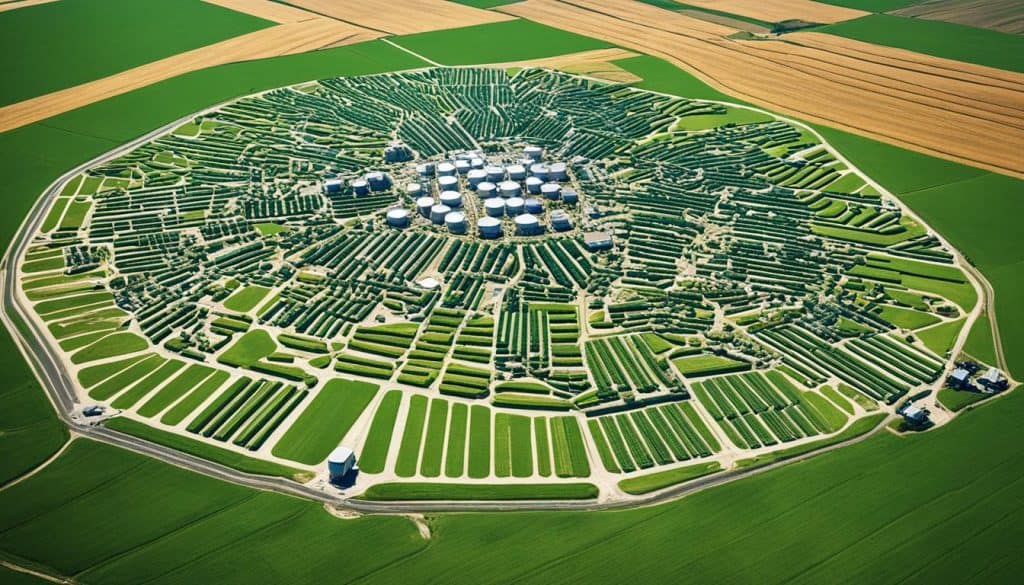
The Role of Livestock in Global Agriculture
Livestock is key for producing high-quality protein and supporting food security. USDA data shows livestock numbers are strong. This ensures a steady flow of meat, milk, and other products.
The sector also promotes sustainability. It uses crop-livestock integration, where manure improves soil health. This helps in keeping the soil productive.
Economic Contributions of Livestock Production
The livestock sector boosts the economy in many ways. It adds to the national GDP and creates jobs. According to Dr. Andrew P. Griffith, it fuels demand for various services.
Its growth is driven by rising demand for animal products. Programs like the Master Beef Producer Program aim to improve productivity. They make markets more efficient and help in understanding prices.
Together, these efforts strengthen our food system and promote sustainable agriculture. The sector’s importance in the economy and the environment continues to grow.
Assessing Costs: Investment and Operational Expenses
Entering the world of livestock management means understanding financial needs. You must know about the initial and ongoing expenses. Knowing these costs helps plan for a profitable livestock business.
Initial Setup and Capital Investment
Starting a livestock business requires a big investment. You need to buy land, animals, and get the right equipment. To find out how much you can make, multiply the yearly produce by the price you sell it for. Buying good feed, getting vet services, and setting up proper homes for the animals are key first steps.
But the costs don’t stop there. You also need to invest in machines and tech to boost productivity. Using breakeven analysis tools is useful too. They help understand the prices and yields you need to make money.
Ongoing Operational Costs
Once you’ve set everything up, you have to think about the day-to-day costs. These include feed, healthcare for your animals, and paying your workers. You’ll face many variable costs like these, which are crucial to keep everything running smoothly.
Don’t forget about the fixed costs such as repairs, taxes, and loan interests. The costs change depending on how you manage your livestock. Knowing the average cost of things and planning for each task is important. You also need to factor in vet services to keep your animals healthy and productive.
Using enterprise budgets can give you a full view of your finances. They help calculate your income, expenses, and profits. This is very useful for farmers and financial experts to plan for a farm’s success.
Maximizing Benefits: Profitability in Livestock Management
To make a profit in livestock management, it’s key to focus on productivity and money-making tactics. By using these important strategies, farmers can see benefits now and in the future.
Strategies for Increasing Productivity
Boosting farm productivity is crucial for more profit. Here are key strategies:
- Animal Health Management: Keeping animals healthy with vet visits and prevention cuts down on disease. This boosts productiveness.
- Efficient Feeding Practices: Better feeding methods and nutrition help animals grow faster. This lowers the cost of feed.
- Adoption of New Technologies: Tech, like automated feeders and health trackers, makes farming more efficient. It also increases productivity.
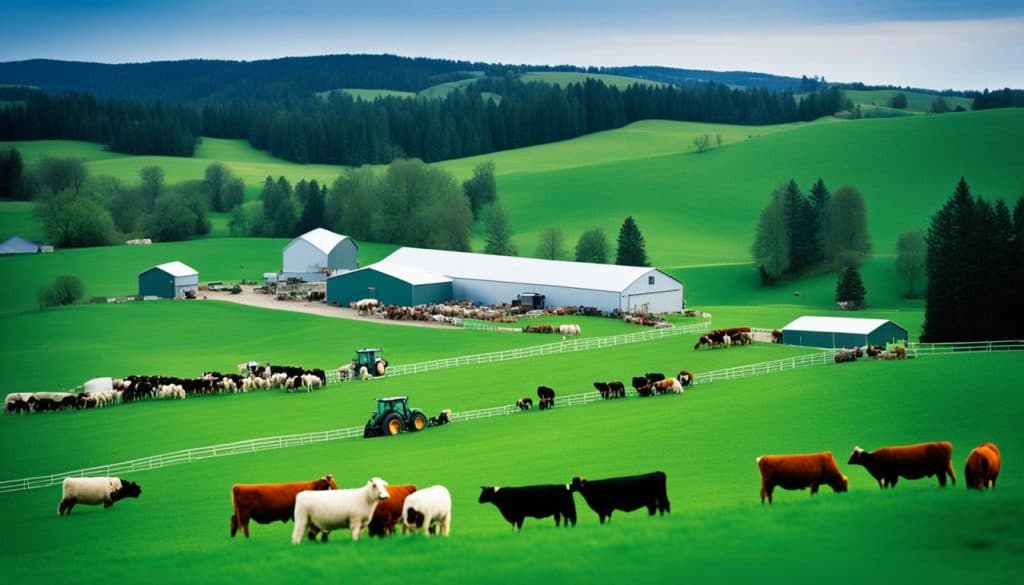
Enhancing Financial Returns
Making more money isn’t just about productivity. It’s also about getting the most from your livestock and sustainable finances:
Understanding Market Trends: Knowing what the market wants helps farmers meet demand. This leads to higher sales.
In 2021, the UK’s 216,000 farms on 17.2 million hectares meant a lot to the economy. Dairy brought in £4.8 billion and beef £3.3 billion.
Quality Improvements: Investing in better animal quality gets higher prices. Better genetics and animal welfare increase livestock value.
Cost Management: Cutting costs like feed and fuel boosts profits. Sustainable methods, such as rotational grazing, also save on feed and labor.
With careful planning in these areas, farmers can greatly improve how much they make and keep their business strong for the future.
The Impact of Animal Welfare on Economics
Animal welfare is very important in the economics of raising animals. It’s not just about being ethical; it also leads to better money outcomes. Evidence shows that taking care of animals well is good for business, thanks to consumer expectations and saving costs.
Livestock leaders from different countries have seen many benefits. Among these are more productive animals and better quality meat. Places like China and Vietnam focus on food safety. Meanwhile, India and Bangladesh look at human health and helping communities.
The push for better products makes for better animal treatment. This fits with what consumer expectations are for ethically made goods. Improving animal welfare means higher quality products, fewer losses, and better breeding success. This makes operations run smoother with less need for staff and lower health costs.
Good welfare practices for animals also make the industry look better. Studies show people will pay more for ethically raised meat. When meat companies work together on animal welfare, it helps everyone, especially in the organic and natural meat sector.
Better animal care has wide-ranging benefits. It helps fight against drug resistance and protects the environment. It also brings about healthy competition in communities, leading to healthier animals.
Moving past the idea that animal care costs too much, studies show profits can actually increase. Programs aimed at reducing transport bruises have shown great results in places like the U.S., Brazil, and Chile.
To wrap up, improving animal care in farming is more than just being ethical. It brings a lot of positives, from better products and operations to a more favorable public image and market success.
The Cost of Social License and Public Perception
In today’s farming world, getting the community’s approval is key. This idea came about in the 1990s for industries using natural resources. It means doing more than just following the law. Farming methods must align with what the community values. When farms don’t meet these standards, they face big risks. These can hurt a farm’s success.
Social License to Operate
For farmers, earning the community’s buy-in means adapting to its values. This requires going beyond basic legal rules. They must prioritize ethics and the environment too. Research shows companies with strong social ties are more widely accepted. Taking care of animals within these standards shows a real ethical commitment. This makes the community more supportive.
Public Trust and Consumer Behavior
How people view farming depends a lot on animal care and environmental impact. Studies, like one from Food Policy, note that hidden farming practices lower people’s trust. Moreover, when the media shows the negative side of farming, it influences what consumers think and buy. Falling trust leads to less demand for farm products. This eventually hits profits hard.
To sum it all up, farms are closely watched by the society and their customers. Transparency and ethics in farming are more critical than ever. Meeting and surpassing what the community expects protects a farm’s reputation. This also ensures its success for years to come.
Balancing Environmental Sustainability and Economic Viability
Today, managing livestock means combining care for the environment with making a profit. Livestock makes up 40% of the global agricultural value. It supports over a billion people’s ways of life and their access to food. So, using sustainable farming practices is key to lasting success.
Livestock farms emit about 7.1 GT of CO2 each year. This is 14.5% of all greenhouse gases caused by humans. To lessen these effects, farms need to adopt climate-smart methods. New technologies and better management can lower the environmental harm. For instance, in Colombia, changing to silvopastoral systems boosted milk production by 17%. It also cut costs by 18.5% and improved performance by 23%. These changes show that being eco-friendly can also mean making more money.
Keeping animals healthy is also vital for sustainable farming. Over 20% of animal protein worldwide is lost to disease. Keeping livestock healthy means better productivity and less waste. Vaccines for animals are a cheap way to stop diseases. They help make food production more efficient and lower the risk of diseases spreading to humans.
Farmers should use the best ways to keep their animals healthy. This includes giving vaccines, controlling worms, and keeping animals stress-free. These steps help animals live better lives and lead to bigger profits. For example, the U.S. produces 18% of the world’s beef with only 6% of the cattle. This shows how using smart farming methods helps the economy and the planet.
The benefits of sustainable farming are clear. It leads to lower costs, more productivity, and secure food supplies. By following eco-friendly practices, livestock farming can grow and lessen its harm to the environment.
Case Studies: Successful Livestock Management Practices
Looking into successful livestock management shows us the best methods in the field. Breakthroughs in feeding and new tech in animal health boost productivity and profits. We’ll see how using intensive silvopastoral systems and the latest farming tech changes livestock production.
Innovations in Livestock Feeding
Intensive silvopastoral systems are changing the game in how we feed livestock. These systems mix growing trees with grazing areas, improving feed quantity and quality. Farms using these systems have seen cows produce more milk and cattle gain weight faster. La Luisa, Petequí, and Hatico farms have seen profits improve, showing that investing in these systems pays off.
With more livestock on the same land, these systems make farms more profitable. They also lead to healthier and happier animals. For instance, animals on these farms are healthier, showing off their good body condition and behaving naturally. The average body condition score in these systems is 3.5 out of 5, better than 2.5 on other farms. This means animals are doing really well.
Technological Advancements in Animal Health
New farming technology is making a big difference in managing livestock. For example, farmers in central Kenya are using mobile phones to help manage their animals, improving their work and making more money. In Ethiopia, high-tech dairy tools are helping farmers live better lives, showing us how new tech can change livestock farming.
Techniques like artificial insemination in India and vaccines in Kenya are revolutionizing the industry. These advances lead to more productive, healthier animals and higher profits. They show the critical role innovation plays in shaping a successful livestock industry.
These real-life examples stress the value of using new feeding practices and tech in livestock management. By embracing these methods, farmers can increase productivity, profits, and ensure their animals are well cared for. It’s a step towards a strong and prosperous livestock industry.