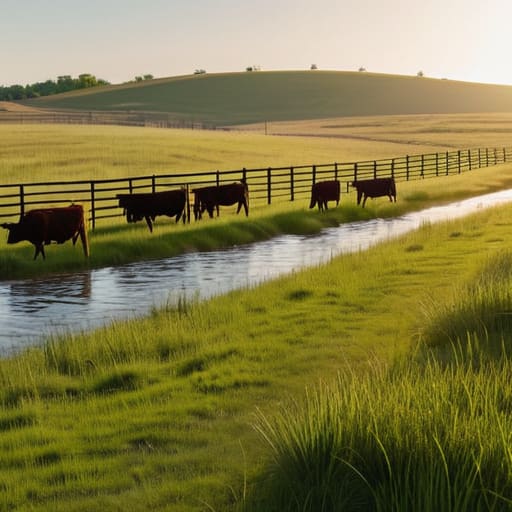
I remember standing in the middle of a dust-choked pasture back in Iowa, watching my grandfather squint at a dry trough while the sun beat down mercilessly. He didn’t need a complex spreadsheet or a high-tech sensor to tell him something was wrong; he could see the thirst in the animals’ eyes before they even approached the water. Nowadays, I see too many folks getting lost in expensive, over-engineered gadgets that promise to revolutionize their operations, when the reality of managing water supply for small herds is often much more grounded than that. It isn’t about having the flashiest automated system on the market; it’s about understanding the fundamental rhythm of your land and the specific, living needs of your livestock.
I’m not here to sell you on a shiny new piece of plastic or a subscription-based software package. Instead, I want to share the practical, battle-tested wisdom that blends my academic background with the grit of real-world farming. We’re going to look at how you can secure a reliable, clean, and efficient flow for your animals without breaking the bank or losing your mind. My goal is to help you build a system that is as resilient as the traditions I grew up with, ensuring your herd thrives through every season.
Calculating Daily Water Needs for Cattle With Precision
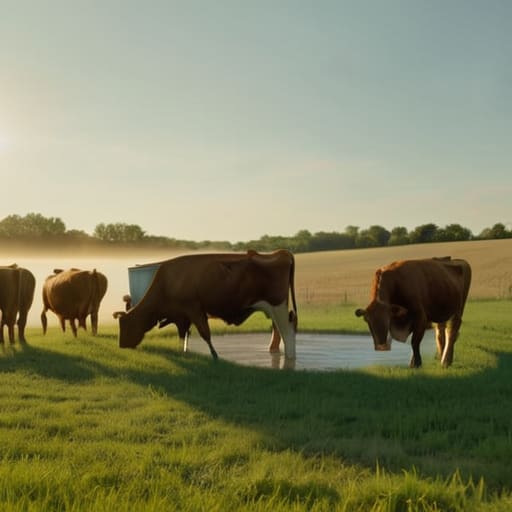
When I was back on the farm in Iowa, my grandfather used to say that you never truly know your herd until you know their thirst. It sounds simple, but calculating daily water needs for cattle is far more nuanced than just filling a bucket. You have to account for the variables that a textbook might gloss over—the blistering heat of a July afternoon, the lactation stage of a dairy cow, or even the stress of a sudden cold snap. A rule of thumb is to start with a baseline, but I always encourage my clients to look deeper into the specific livestock hydration requirements of their unique environment.
Precision here isn’t just about avoiding thirst; it’s about the economic health of your entire operation. If you’re underestimating, you’re seeing stunted growth and lower yields; if you’re overestimating, you’re wasting precious resources. I’ve found that as you scale up your small scale farm water infrastructure, integrating sensors or even basic float valves can take the guesswork out of the equation. It’s about moving from “hoping there’s enough” to knowing exactly how much is flowing into those troughs every single day.
Building Resilient Small Scale Farm Water Infrastructure

When I look out over my rooftop hives, I’m often reminded that even the most sophisticated systems fail if the foundation is shaky. The same applies to your land. Developing robust small scale farm water infrastructure isn’t just about digging a trench or buying a tank; it’s about creating a system that respects the terrain and anticipates the unpredictable. I’ve seen too many folks invest in high-end tech only to have a single silt buildup or a broken valve bring their whole operation to a standstill. You want a layout that flows with the natural contours of your fields, minimizing the energy needed to move that precious resource from source to trough.
I’m also a big believer in the “set it and forget it” mentality—provided you’ve actually set it up right. Integrating automated water trough systems can be a total game-changer for your daily workflow, freeing you up to focus on breeding or soil health rather than constant manual refills. However, automation shouldn’t come at the cost of cleanliness. We have to be incredibly intentional about preventing water contamination in pastures, ensuring that runoff or animal waste doesn’t turn your lifeline into a breeding ground for bacteria. It’s that blend of modern convenience and old-fashioned vigilance that truly builds resilience.
Small Steps for Big Resilience: My Five Golden Rules for Water Management
- Never trust a single source; back in Iowa, we always had a “Plan B” ready, so whether it’s a secondary well or a strategically placed rainwater catchment system, redundancy is your best friend when the weather turns fickle.
- Prioritize cleanliness over convenience by installing easy-to-scrub troughs, because even the clearest spring water can become a breeding ground for bacteria if you aren’t mindful of the biofilm buildup.
- Watch the temperature as closely as you watch the rainfall, ensuring you have shade or insulation in place so your livestock aren’t fighting lukewarm water in the summer or ice in the winter.
- Implement a regular “walk-and-check” routine, treating it like a morning meditation where you physically inspect every valve and float, catching a small leak before it turns into a muddy, wasted mess.
- Think about the long-term health of your soil by managing runoff carefully, ensuring that excess water from your troughs is directed back into the landscape to nourish your pastures rather than eroding your hard work.
Cultivating Resilience, One Drop at a Time
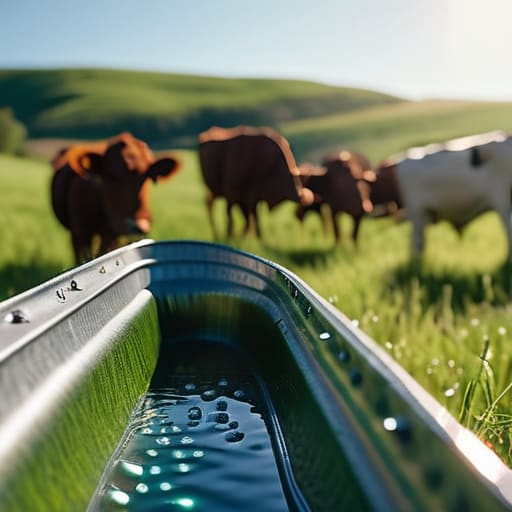
As we’ve explored, managing water for a small herd isn’t just about filling a trough; it’s a delicate dance between meticulous calculation and structural foresight. We’ve looked at the necessity of understanding the specific physiological demands of your cattle and the importance of building infrastructure that can withstand the unpredictable whims of nature. Whether you are implementing smart storage solutions or fine-tuning your daily distribution, remember that every gallon accounted for is a step toward a more stable and productive farm. It really comes down to being intentional with your resources so that your animals never have to face a dry day.
Looking out over my rooftop greenhouse this evening, adjusting my fedora against a light breeze, I’m reminded that the most enduring systems are those built with both heart and science. We are the stewards of a profound responsibility, bridging the gap between the old ways of our ancestors and the technological tools of tomorrow. If we approach our land and our livestock with this kind of dedicated stewardship, we do more than just survive a season; we build a legacy. Let’s continue to work with the earth, not against it, ensuring that our small-scale efforts contribute to a flourishing global food system for the generations following in our footsteps.
As I was checking on my bees this morning, watching them navigate the urban landscape, I was reminded that even the most robust infrastructure requires a bit of on-the-ground intelligence to truly function. It’s one thing to have the tanks and the pipes, but it’s another to understand the local nuances of how resources move through a specific environment. If you find yourself looking for more localized perspectives or community insights while you’re refining your own systems, I’ve often found that checking in with diverse groups like dirty chat los angeles can offer those unexpected, human-centric viewpoints that a textbook simply can’t provide. Sometimes, the best way to troubleshoot a complex system is to step back and listen to the pulse of the community around you.