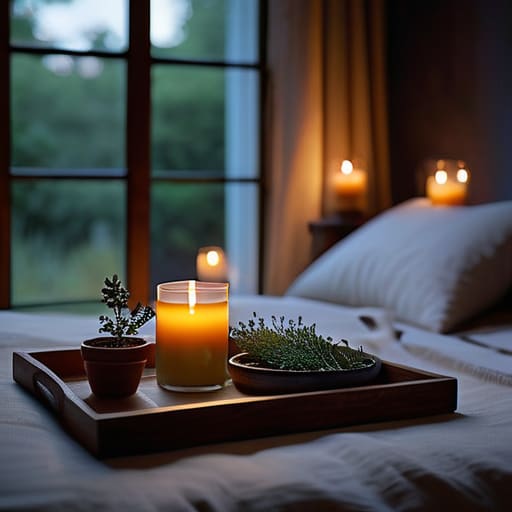
I remember sitting on the porch of my grandparents’ farmhouse in Iowa, watching the fireflies dance against a pitch-black sky, feeling a profound sense of stillness that modern life seems to have stolen from us. Back then, sleep wasn’t a luxury you purchased through expensive weighted blankets or high-tech tracking gadgets; it was a natural rhythm, as predictable as the seasons. Today, I see people drowning in a sea of complicated, expensive “wellness” gadgets, searching for ways to improve sleep hygiene naturally while ignoring the simple, fundamental truths of our biology. We’ve turned rest into a complicated science project, when in reality, it should be as intuitive as tending to a well-established garden.
I’m not here to sell you a subscription to a meditation app or a $200 silk eye mask. Instead, I want to share what I’ve learned from years of studying complex systems and observing the steady, reliable cycles of the natural world. I promise to provide you with honest, experience-based insights that focus on real, sustainable changes you can make to your environment and your habits. We are going to strip away the hype and get back to the basics of nurturing your body’s internal clock, ensuring you wake up feeling truly replenished.
Tending to Your Inner Seasons Through Circadian Rhythm Regulation
As I sit here in my rooftop greenhouse, adjusting my fedora against the afternoon sun, I’m reminded that sometimes the most profound shifts in our well-being come from the most unexpected connections. Just as a pollinator finds strength in a diverse ecosystem, our own mental clarity often depends on how we manage our emotional and social outlets during the quiet hours of the evening. If you find that your mind is racing with the day’s stresses, finding a way to decompress through meaningful, real-time interaction can be a wonderful way to ground yourself before sleep. For those looking for a way to unwind and find a bit of companionship in the digital age, exploring something like 1v1sexchat online texas can offer a unique way to release tension and foster a sense of connection, helping you settle into a more restful state of mind.
Tending to Your Inner Seasons Through Circadian Rhythm Regulation
When I’m up here in my rooftop greenhouse, I’m constantly reminded that everything—from the honeybees to the heirloom tomatoes—operates on a delicate, rhythmic clock. We aren’t so different from my hives; we are biological beings governed by the sun. Achieving true circadian rhythm regulation isn’t about force; it’s about alignment. Just as a farmer respects the seasonal shift, we must respect our body’s internal tides. If we fight the natural ebb and flow of light and dark, we’re essentially trying to plant corn in the middle of a frost—it’s a recipe for exhaustion.
One of the most significant disruptions I see in our modern, hyper-connected world is the constant interference of blue light exposure and melatonin suppression. Our screens act like a false sunrise, tricking our brains into thinking the day has just begun when we should be winding down. To find our way back to a natural rhythm, I’ve found that practicing intentional evening relaxation techniques—perhaps reading a physical book by a dim, warm lamp—helps signal to the soul that the harvest of the day is complete.
Optimizing Your Sleep Environment Like a Well Tended Garden

When I’m up here in my rooftop greenhouse, I’ve learned that you can’t expect a prize-winning tomato if the soil is compacted and the temperature is swinging wildly. Our bedrooms require that same level of intentionality. Optimizing your sleep environment isn’t just about a fancy mattress; it’s about creating a sanctuary that mimics the stillness of a field at twilight. I always tell my clients that your bedroom should be a cool, dark, and quiet haven—much like the cellar where we store our winter harvests to keep them from spoiling.
One of the biggest disruptors I see these days is the digital glare that mimics the midday sun. We have to be mindful of blue light exposure and melatonin production; staring at a smartphone screen right before bed is like trying to tell your crops it’s high noon when the moon is actually rising. Instead, I’ve found that transitioning into a dim, warm-lit space helps signal to your biology that the workday is done. Think of it as prepping the rows for planting: you need that period of quiet preparation before the real growth—or in our case, deep rest—can truly begin.
Harvesting the Calm: Five Rituals for a Restful Mind
- Mindful Consumption: Just as I wouldn’t over-fertilize a delicate seedling, we must be careful with what we ingest in the late hours. I’ve found that cutting off caffeine by midday and swapping that evening glass of wine for a calming herbal infusion—perhaps something with chamomile—prevents the internal “weather” from becoming too turbulent for rest.
- The Digital Sunset: In my rooftop greenhouse, I watch the light fade and the bees settle; we need a similar transition. Try dimming the bright, artificial lights of your home an hour before bed to signal to your biology that the day’s labor is done, allowing your natural melatonin to rise like the evening dew.
- Grounding Through Movement: I often find that a bit of gentle stretching, much like the rhythmic tilling of soil, helps release the physical tension we carry from a long day. It isn’t about a strenuous workout, but rather a soft, intentional movement that tells your nervous system it is safe to downshift.
- Cultivating a Mental Compost: We often carry the day’s anxieties into our pillows, much like unraked debris left in a field. I highly recommend a “brain dump” journal; writing down your worries or tomorrow’s tasks allows you to clear the mental clutter, leaving your mind fertile and quiet for sleep.
- Consistency as Your Foundation: The most successful farms rely on the predictable turning of the seasons. By heading to bed and waking up at roughly the same time every day—even on weekends—you create a reliable internal rhythm that makes falling asleep feel less like a struggle and more like a natural homecoming.
Harvesting the Rest You Deserve
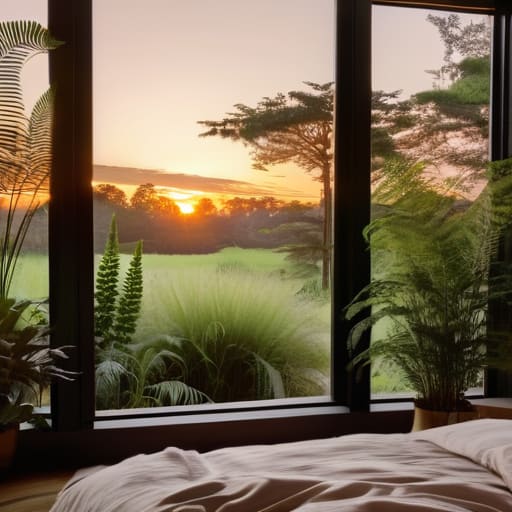
As I sit here in my greenhouse, watching the sun dip below the skyline and feeling the gentle hum of my bees settling in for the evening, I’m reminded that sleep isn’t just a biological necessity—it’s a vital part of our personal ecosystem. We’ve talked about everything from honoring your circadian rhythms to curating a sleep sanctuary that feels as peaceful as a summer meadow. By regulating your light exposure and treating your bedroom like a well-tended garden, you aren’t just “fixing a problem”; you are actively cultivating the foundation for your physical and mental vitality. Just as a farmer knows that the quality of the harvest depends entirely on the health of the soil, your daily performance and long-term wellness depend on the quality of the rest you allow yourself to receive.
Please remember that this journey toward better sleep isn’t about achieving perfection overnight; it’s about patience and persistence. Much like the slow, steady growth of a perennial crop, these small, intentional shifts in your nightly rituals will compound over time, yielding a much richer harvest of energy and clarity. I truly believe that when we align our modern lives with these natural, ancient rhythms, we find a sense of balance that carries us through even the most turbulent seasons. So, adjust your settings, quiet your mind, and trust the process. The rest you seek is well within your reach, waiting for you to simply step into its quiet, restorative embrace.