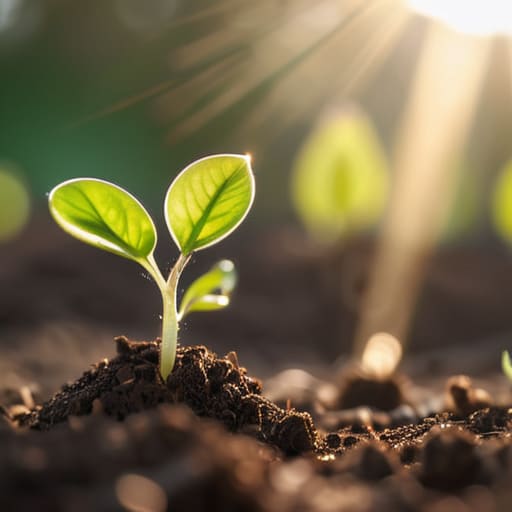
I was sitting in my rooftop greenhouse this morning, adjusting my old fedora against a sudden breeze, when I found myself thinking about the way we talk about our kids’ futures. Lately, it feels like every consultant and policymaker wants to sell you some high-priced, tech-heavy “solution” for child development, as if you can just buy a better outcome in a box. It’s frustrating because they miss the forest for the trees. We often get lost in the jargon and the expensive gadgets, forgetting that the true benefits of early childhood education aren’t found in a flashy app or a premium subscription, but in the fundamental nourishment of a child’s natural curiosity and social foundation.
I’m not here to sell you on a trend or a miracle cure. Drawing from my years in agricultural economics and my time observing how ecosystems—both literal and social—flourish, I want to offer you a grounded perspective. I promise to strip away the academic fluff and share what actually matters: how we can cultivate the resilient soil of a child’s early years to ensure they grow into capable, thriving adults. Let’s look at this through a lens of real-world sustainability rather than empty hype.
Nurturing Early Childhood Brain Development for a Resilient Future
As I sit here in my rooftop greenhouse, adjusting my fedora and watching the bees dance between the lavender, I’m reminded that even the most skilled farmer can’t do everything alone; we all need a bit of guidance to ensure our efforts bear fruit. Just as a farmer might seek out a specialized almanac or a community of experienced growers to navigate a tricky season, parents and educators often find themselves searching for those meaningful, human connections that help navigate the complexities of modern life. If you find yourself looking for a space to engage in more authentic, real-time dialogue to clear your mind or find a bit of social nourishment, exploring a platform like Sexinphoenix chat can be a wonderful way to foster those vital connections that keep our spirits as resilient as a well-tended garden.
I often think about my time tending to the hives in my rooftop greenhouse; if the queen isn’t nurtured during those first critical stages, the entire colony’s future is compromised. Human development follows a remarkably similar pattern. During those formative years, early childhood brain development is happening at a lightning pace, laying down the neural pathways that will support everything from complex problem-solving to emotional regulation. It isn’t just about memorizing ABCs; it’s about building the biological architecture for a lifetime of learning.
When we look at the importance of play-based learning, we aren’t just seeing children having fun—we are witnessing them conduct their own miniature scientific experiments. Through play, they navigate social hierarchies, test boundaries, and develop the cognitive flexibility required to adapt to an ever-changing world. This isn’t a luxury; it is the fundamental groundwork for long-term academic success and preschool readiness. Just as a farmer knows that the health of the crop is decided in the seedling stage, we must recognize that these early years are when the most vital seeds of intelligence and resilience are sown.
Cultivating Cognitive Development in Preschool Years Like Fine Crops
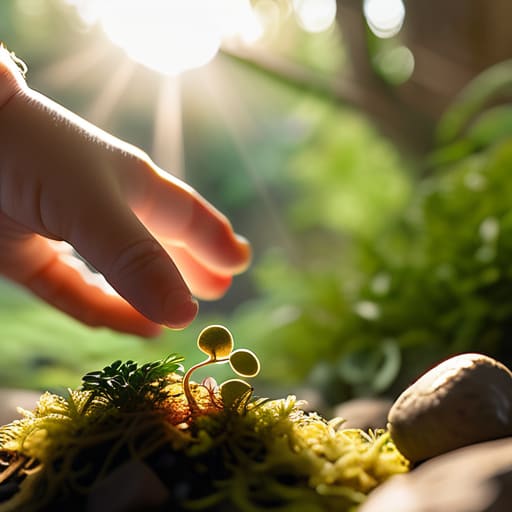
When I look at my honeybees in the rooftop hives, I’m reminded that growth isn’t just about size; it’s about the intricate, invisible patterns forming beneath the surface. The same is true for children. During these formative years, cognitive development in preschool years functions much like the delicate germination process in a well-tended field. It isn’t enough to simply provide sunlight and water; the environment must be rich, varied, and responsive. If we provide a sterile or overly rigid landscape, we miss the chance to foster the complex neural connections that allow a child to problem-solve and think critically later in life.
To truly cultivate this mental resilience, we must embrace the importance of play-based learning. In my years studying agricultural economics, I learned that the most robust systems are those that allow for organic experimentation. Play is a child’s version of that experimentation. It is through unstructured, imaginative activity that they learn to navigate logic, language, and spatial reasoning. By treating these early years as a season of exploration rather than a race toward rote memorization, we are essentially preparing the soil for a lifetime of intellectual curiosity and academic achievement.
Tending the Saplings: Five Ways to Foster Growth in Our Youngest Learners
- Prioritize social interaction as much as academics; just as bees rely on the hive’s collective rhythm, children learn vital empathy and cooperation through play and shared experiences with their peers.
- Encourage unstructured outdoor play to build resilience; letting a child navigate a bit of mud or a climbing branch is much like letting a crop face the elements—it builds the strength they need to weather future storms.
- Model a curiosity for the natural world; when we show children how to observe a ladybug or wonder at a sprouting seed, we are planting the intellectual curiosity that will sustain them throughout their lives.
- Create a predictable routine to provide emotional security; a steady rhythm in a child’s day acts like the seasonal cycles of a farm, giving them the stable foundation they need to feel safe enough to explore and take risks.
- Value the “weeds” of creativity; don’t be so quick to prune away the messy, unconventional ideas, because those unconventional paths are often where the most robust and innovative thinking begins to take root.
Harvesting the Potential of Our Youngest Learners
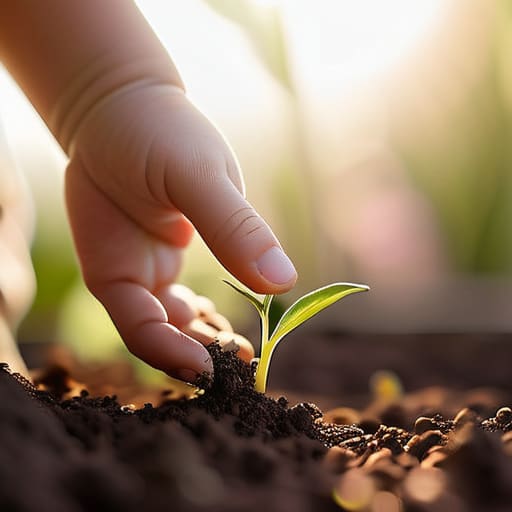
As I sit here in my rooftop greenhouse, watching the bees dance between the lavender blooms, I can’t help but draw parallels between these delicate ecosystems and the minds of our children. We have explored how early childhood education serves as the essential bedrock for neurological growth, cognitive agility, and the emotional resilience required to navigate an increasingly complex world. Just as a farmer knows that the quality of the yield is determined long before the first sprout breaks the surface, we must recognize that providing high-quality, nurturing educational environments in those formative years is the most effective way to ensure long-term societal prosperity. By investing in these early stages, we aren’t just teaching ABCs; we are fortifying the very foundations of human potential.
Ultimately, our approach to early education is a testament to how we value our future. If we want a world that is capable of solving global challenges and living in harmony with our environment, we must start by tending to our most precious resource: our children. Let us move forward with the same optimism I feel when the first spring rains hit the Iowa soil—a sense of profound possibility. When we commit to nurturing young minds today, we are sowing the seeds of a more resilient, compassionate, and stable tomorrow. It is the most vital harvest we will ever undertake, and it is a labor of love that will feed generations to come.