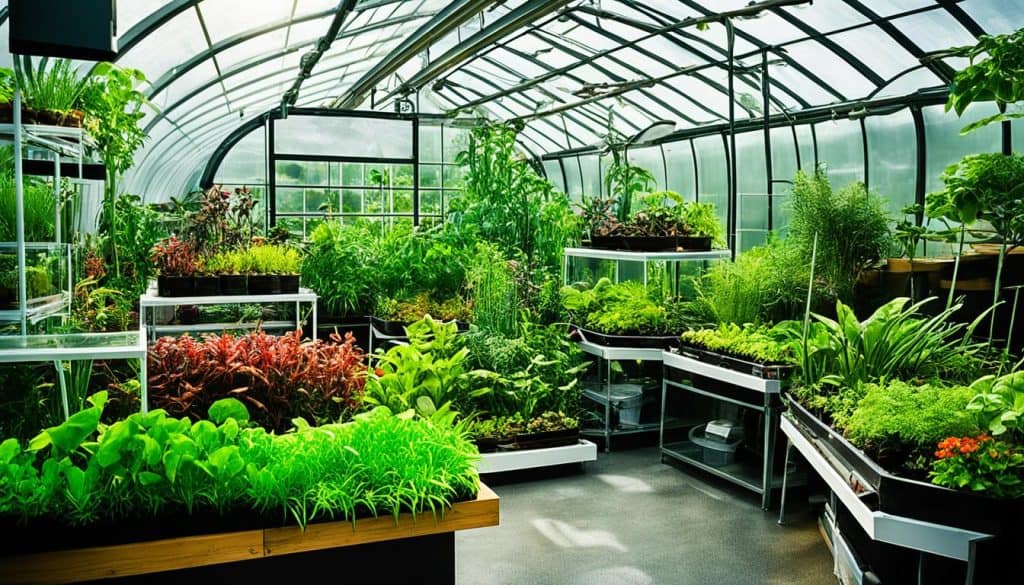
Did you know aquaponics only needs 1/6th the water traditional farms do? It can grow eight times more food per acre. This method mixes fish farming with hydroponics in a clean, green way. Aquaponics makes the most of resources and cuts down environmental harm.
It’s changing how we look at farming. Schools and businesses alike are jumping on board. They’re using aquaponics to grow fresh food all year round.
Let’s talk about Nelson and Pade, Inc.®. Their Clear Flow Aquaponic Systems® show how productive indoor farming can be. In these systems, fish waste feeds plants, making chemical fertilizers unnecessary. This method keeps farming pure and earth-friendly.
Key Takeaways
- Aquaponics saves a lot of water and produces more food.
- It’s a clean system that doesn’t need harmful chemicals.
- With aquaponics, farms can operate any time of year.
- This method combines fish and plant farming sustainably.
- It’s versatile, working for both small homes and big businesses.
- Local food production benefits, reducing transport emissions and boosting food security.
What is Aquaponics?
Aquaponics is an innovative way to farm that combines aquaculture with hydroponics. In this closed-loop agriculture system, fish and plants grow together. Fish waste becomes food for plants. In turn, plants clean the water for the fish. This Cycle shows how integrated farming systems work well.
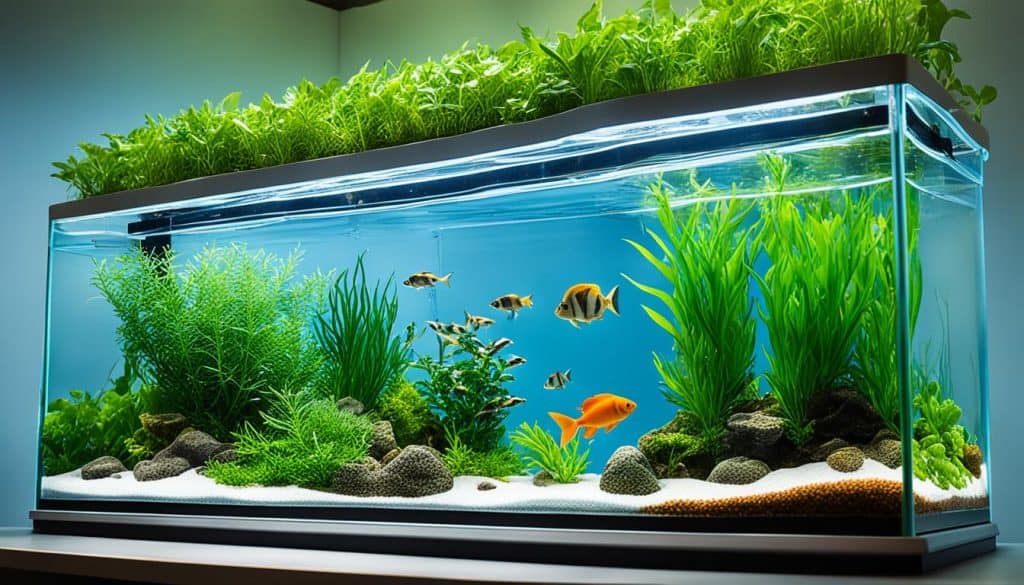
Aquaponics saves a lot of water. Around 95-99% of the water is recycled in its systems. Compared to traditional farming, aquaponics uses way less water. This is great for places like North Africa or the Middle East where water is rare.
This system is perfect for cities, too. It uses vertical farming to grow more in less space. This could help the 17 million US families who can’t afford food (Pont, 2021).
Also, aquaponics helps grow organic produce. It cuts down on harmful chemicals and pesticides. The system supports both fish farming and plant growth. This leads to faster growth of crops and more productive farming.
The Historical Background of Aquaponics
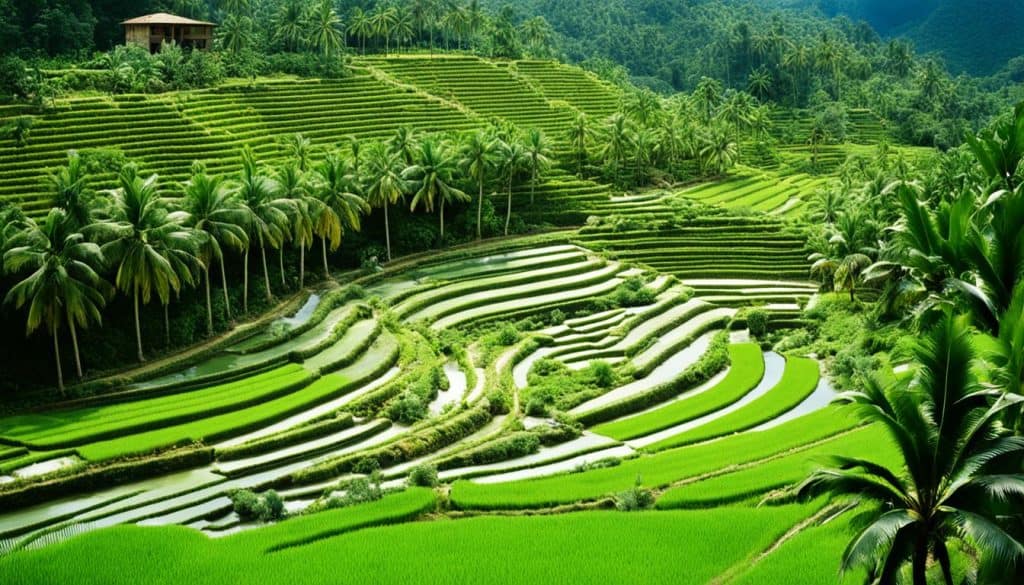
The idea of aquaponics is not new. It has ancient roots. People have mixed fish and plants together for ages, like the Aztecs with their “floating gardens” on Lake Texcoco. This smart farming fed many and showed the Aztecs’ farming skills. The fish-enriched rice paddies in Southeast Asia serve as another old example of mixing water and land farming.
In the 1970s, modern aquaponics started to grow. It combined fish farming and soil-less plant farming into one system. For about 25 years, researchers, like those at the University of the Virgin Islands led by Dr. James Rakocy, worked to improve it. Their hard work turned a small idea into a big deal in farming worldwide. By the early 2000s, big farms using these new methods started to appear.
Now, aquaponics is super effective. It can grow up to ten times more food in the same space as regular farming. It works in small gardens and big farms alike. But, it’s not easy to start because of costs and the need for space, especially in cities. Still, aquaponics is getting more popular. We need education and research to overcome these hurdles. That way, more people can learn how this smart farming can feed lots of people sustainably.
Types of Aquaponics Systems
Aquaponics comes in different types, fitting various needs and space. You can start small or go big for commercial needs. Let’s look at three main aquaponics systems used today.
Media-Based Systems
Media-based systems are great for starters and DIY fans. They use beds filled with gravel or clay for plant support and biofiltering. This choice is perfect for beginners in aquaculture innovation because it’s simple and affordable. It’s often the go-to for backyard gardeners.
Nutrient Film Technique (NFT) Systems
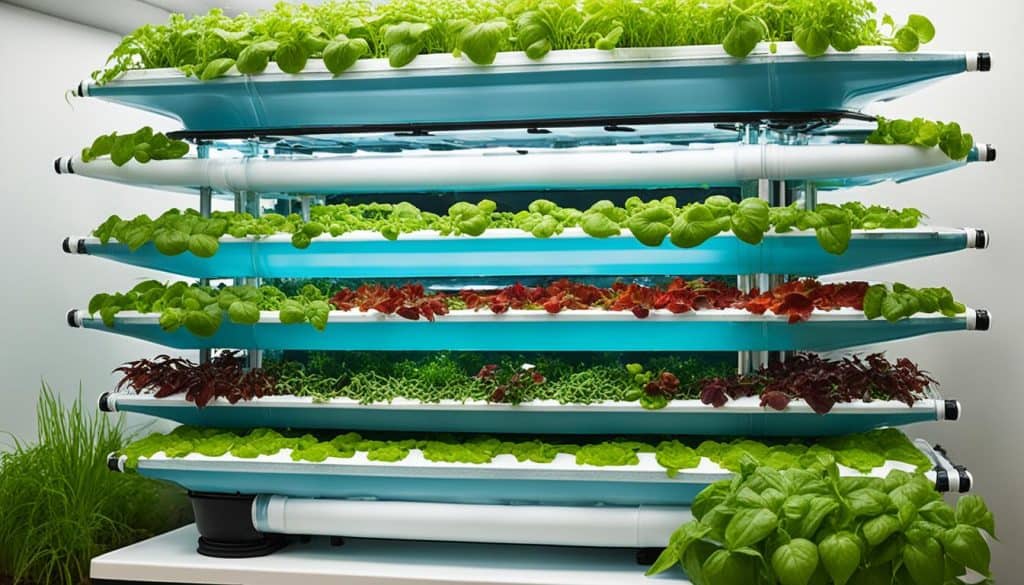
NFT systems shine in commercial hydroponic cultivation. They use thin water streams to feed plants, saving space and resources. This method is great for cities, supporting dense crop growth. It’s ideal for leafy greens and fast-growing plants.
Raft System (Deep Water Culture)
The Raft or Deep Water Culture system suits large setups well. Plants float on rafts, getting nutrients directly from the water. This system grows a wide range of crops and is especially good in warm places. It’s key for big aquaponics farms.
These systems show aquaponics’ versatility and potential. They offer solutions from small urban farms to large-scale operations. Aquaponics’ innovation keeps pushing sustainable agriculture forward.
Sustainable Aquaponics
Aquaponics is a smart way to farm that helps the planet. It combines fish farming with plant farming in water, making farming very efficient. It uses natural processes to turn fish waste into plant food. This cuts the need for harmful fertilizers. Also, it saves a lot of water compared to old-fashioned farming.
This method is great for places that don’t have much water. Fish waste makes a great plant fertilizer through a natural process. This way, the system keeps water clean and uses resources wisely. Aquaponics lets people grow fish and plants at the same time. This can lead to making more money and encourages new farming ideas.
Aquaponics makes it possible to farm all year round and doesn’t need much space. This helps local areas have fresh food and reduces transport. Many scientists are studying aquaponics, with over 600 studies from 2016 to 2022. These studies look at everything from system setup to handling nutrients. Aquaponics is a smart farming method that fits well with nature’s ways. It offers a strong, lasting way to grow food all over the world.