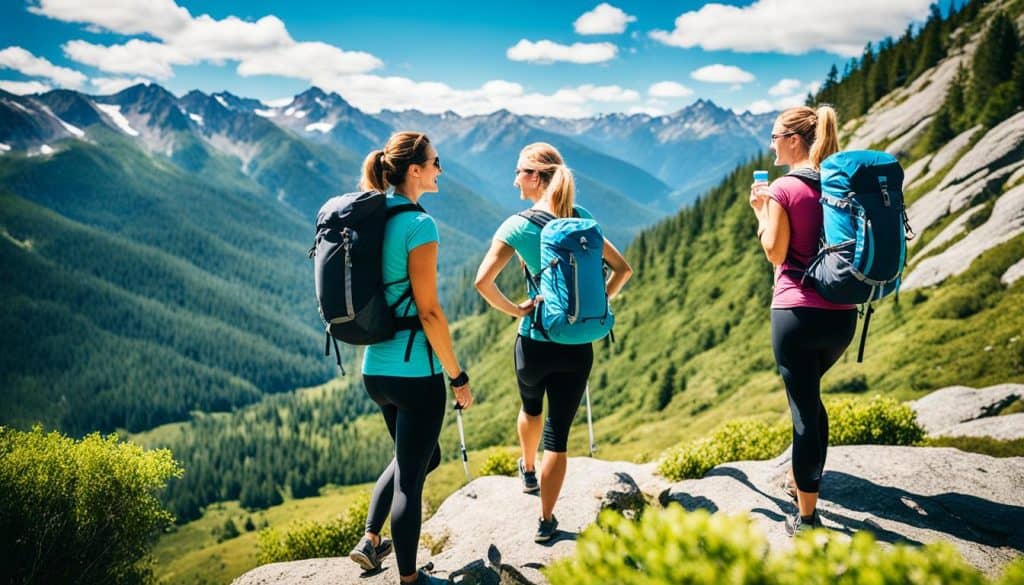
Did you know that efforts to clean and green neighborhoods can lower crime rates by 13%? They can also cut down on depression in locals by 41%. Getting outdoors has many advantages, showing just how much nature affects our health and happiness. Stepping into nature, for exercise or just for fun, can really change our lives.
There’s no doubt about it: being active outdoors is good for our bodies and minds. It can improve heart health, boost our immune system, lower stress, and help us make friends. In our busy lives, taking time to enjoy nature can balance our physical and mental health. Clearly, nature is a strong partner in living a full, healthy life.
Key Takeaways
- Outdoor green spaces can increase a person’s motivation for higher fitness levels.
- Natural outdoor environments in urban spaces encourage exercise and better fitness.
- Access to nature reduces stress, muscle tension, and heart rates, reducing cardiovascular disease risk factors.
- Sunshine naturally increases serotonin, helping combat seasonal affective disorder, depression, and anxiety.
- Participating in recreational sports leagues for adults can enhance team-building experiences and encourage consistent exercise routines.
The Physical Health Benefits of Being Outdoors
Engaging in outdoor activities offers a myriad of benefits for our physical health. From improving heart health to enhancing immune function and promoting better respiratory health, spending time in nature is a boon to overall well-being. Let’s delve into the specifics.
Improved Cardiovascular Health
Activities like walking, hiking, and cycling outdoors can greatly improve your heart health. They’ve been linked to a 15% lower risk of heart issues. Plus, spending just two hours outside each week ups your overall physical health by 25%.
Being in nature means breathing cleaner air, which reduces stress. This drop in stress levels helps your heart stay healthy.
Enhanced Immune Function
Time spent outdoors boosts your immune system. Nature is full of microorganisms that train our immune systems. They help it tell the difference between what’s harmful and what’s not. This is super helpful during flu seasons, making our bodies more resilient.
Forest bathing, in particular, is great for the elderly with chronic conditions. It reduces the risk of chronic diseases by 20% for those who exercise outdoors regularly.

Better Respiratory Health
Green spaces are linked to improved respiratory health. A study showed people in greener areas had a 34% lower death rate from respiratory diseases. Clean air in these areas supports better lung function and lowers disease risk.
Moreover, being outdoors cuts down the chance of catching viruses. It’s far less likely to get a virus outside than inside.
In conclusion, being outdoors is great for your health. It boosts your heart, immune system, and lungs. Making outdoor activities part of your life is smart for staying healthy.
Mental Health Improvements from Nature Exposure
Time outdoors boosts mental health in big ways. Being around greenery lowers depression risk. It also sharpens focus. Nature therapy offers quick and lasting help for mental well-being.
Reduced Symptoms of Depression
Nature therapy helps fight depression. A study in Denmark showed kids near greenspaces had fewer mental problems later. Living close to parks reduces stress and boosts activity. This helps lower depression.
Increased Focus and Attention
Being in nature makes us sharper. It helps improve our focus and attention. Studies show breaks in green spaces perk up our brains. Kids do better in school after spending time outside.
Faster Psychological Stress Recovery
Nature quickly eases stress. Research tells us natural settings lower cortisol and ease muscle tension. Nature therapy greatly aids in stress relief. It makes our mental health better overall.
Mental and Emotional Restoration through Outdoor Activities
Outdoor activities bring many benefits for mental health. They help adults, even those with mental health issues, feel better. Nature helps us relax with the sounds of leaves and water.
Stress Relief and Relaxation
Stress impacts our emotional health greatly. Yet, nature offers a powerful cure. Research suggests being outdoors lowers stress, anxiety, and depression.
A walk in the forest or by a river can drop blood pressure. This helps prevent heart disease. Nature’s peace aids in relaxation and clears the mind.
Peace and Optimism Enhancement
Being outdoors not only brings peace but also boosts optimism. Sunlight increases serotonin in our brains, making us feel stable and happy. Also, UV light exposure releases endorphins, improving our mood.
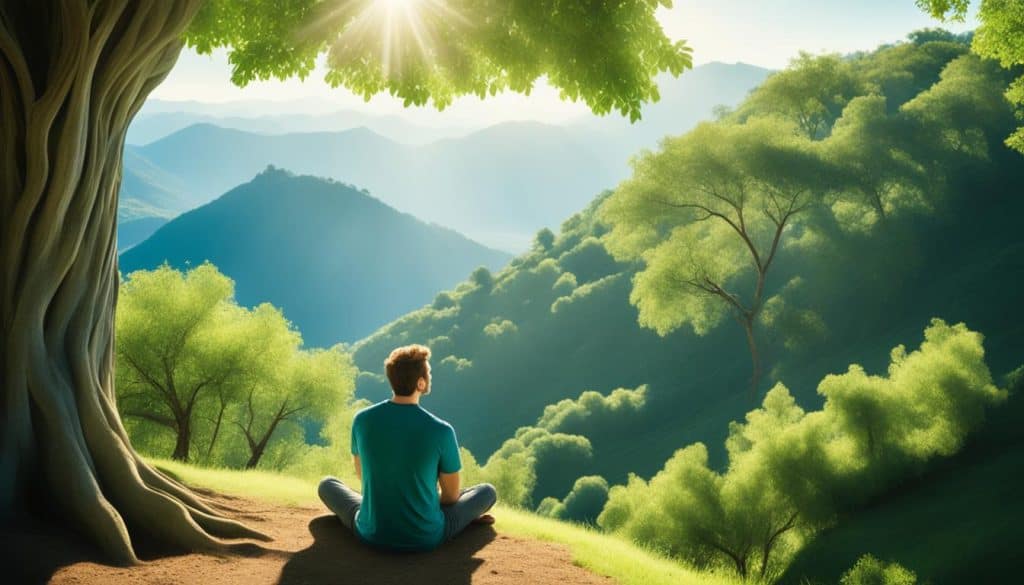
Experiencing nature directly is better for our mood than fake environments. Activities like hiking, gardening, or sitting under a tree keep us in the now. They foster peace and a positive outlook.
Outdoor Activities: Boosting Community Wellness
Outdoor activities can change public health for the better. They help build strong social ties in green spaces. These spaces are where people meet and bond.
Studies show that adding more green, like trees, lowers crime in cities. Green spaces make communities closer and improve how people get along.
Improved Social Connections
Being outdoors in city parks makes social ties stronger. A study by the NRPA shows 92% of U.S. adults feel mentally better after park visits. Women often feel more at peace than men after these visits (62% vs. 55%). This shows how important parks are for community health.
Reduced Neighborhood Crime
Green spaces help reduce crime. Adding trees and plants can lower crime rates. These areas increase safety and make neighbors feel like they belong. This boosts social ties and community health.
Enhanced Community Cohesion
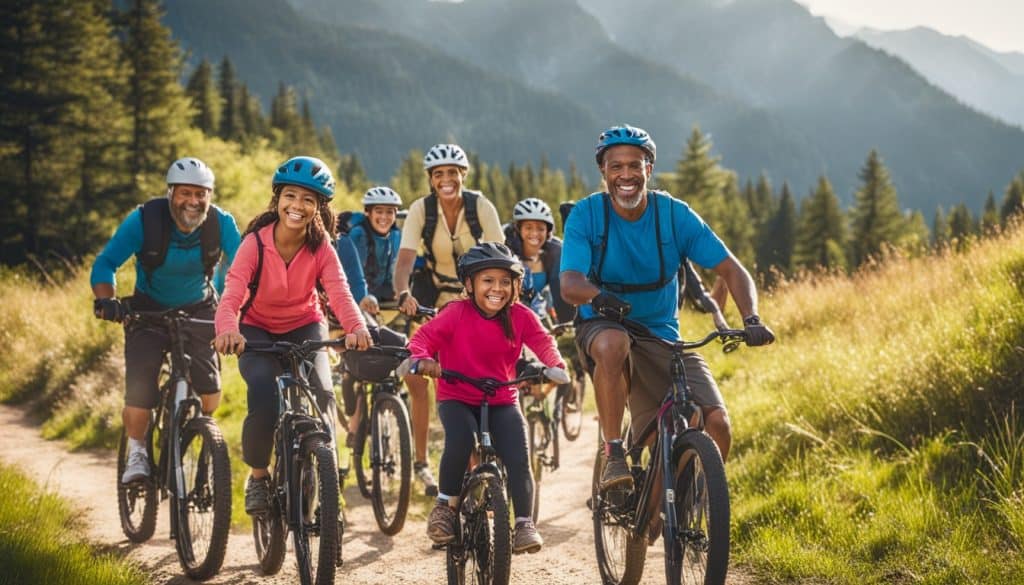
Green spaces bring neighbors together. They host gatherings that improve relationships. The NRPA says millennials feel happier than baby boomers after park visits (53% vs. 40%).
This joy makes the community stronger and more united.
In conclusion, outdoor activities are key for healthier communities. They help create tight-knit neighborhoods and make places safer.
The Motivation to Exercise in Natural Settings
Working out in nature boosts motivation and fitness levels. It’s different from indoor gyms and makes us feel close to our health. For almost all of human history, people have chosen nature for survival and exercise. Today, many live in cities with little green space. This issue links to the fact that 31.1% of adults don’t exercise enough. Nature’s beauty and variety encourage us to be active, tapping into our natural urge to move.
Increased Enjoyment and Adherence to Fitness
Outdoor exercises seem easier and more fun than indoor workouts. This feeling helps people escape from daily stress. Studies show outdoors make us walk faster but feel less tired. This effect makes people stick to their fitness plans better. “Green exercise” brings joy and keeps us coming back for more. Research shows exercising in nature makes us want to keep active, making it easier to stick with it.
Enhanced Physical Activity Levels
Nature drives us to move more and feel alive. The outdoors offers a vibrant setting that boosts our effort. Everyone, from climbers to bikers, gets more active outside. Studies say nature workouts are excellent for health. Nature’s calming effects inspire us to keep an active life. It’s key to using the outdoors to stay fit and healthy.