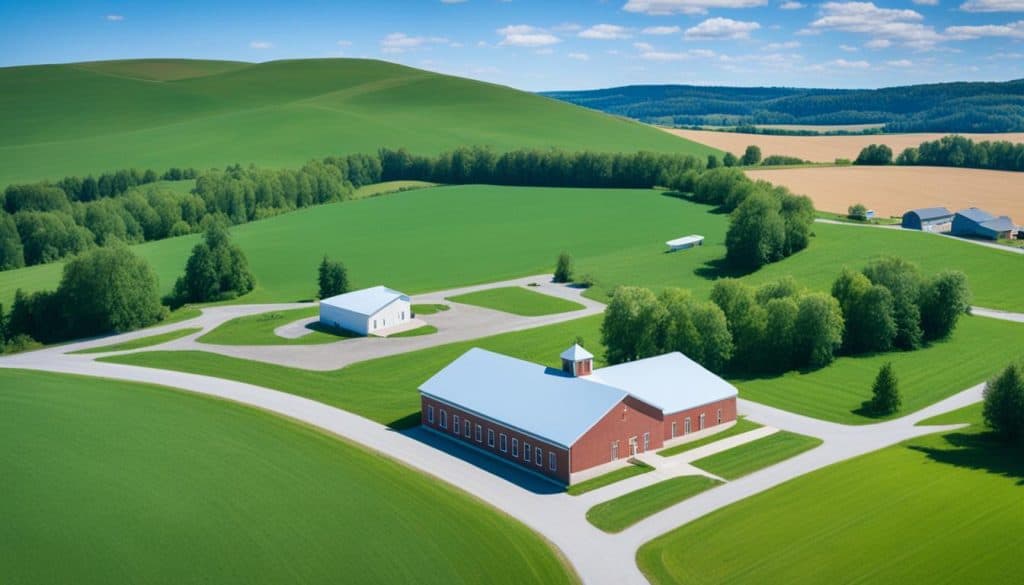
About half of school districts and one-third of schools in the U.S. serve rural areas. One in five students are in these rural settings. Yet, these schools are often left out of federal policies. This is because those policies usually focus on larger, urban districts.
Title I funding is meant to help students from low-income families. But, it often ends up helping urban districts more. Thus, rural schools struggle with fewer resources. They also find it hard to get competitive grants. These grants could give them the money they need.
The Every Student Succeeds Act (ESSA) was a big step for rural education. It mentions “rural” 54 times, showing a new focus on these areas. The Small Rural School Achievement (SRSA) program and the Rural and Low-Income Schools (RLIS) program give money to rural districts. This funding is helping to close the funding gap.
Rural schools still face many challenges though. They have trouble getting good internet and finding teachers. These issues show that specific policies are needed. We must make sure all students, no matter where they live, get a good education.
Key Takeaways
- Approximately 20% of U.S. students are enrolled in rural schools, impacting one-third of schools and half of the districts nationwide.
- Title I funding and competitive grants often favor urban districts, leaving rural schools underfunded.
- The Every Student Succeeds Act includes specific provisions aimed at aiding rural education.
- Programs like SRSA and RLIS provide crucial financial support to rural schools with small populations and higher poverty rates.
- Continued policy development is necessary to effectively address the unique challenges of rural education, including internet access and educator recruitment.
Understanding the Unique Needs of Rural Schools
Rural schools in the U.S. have their own set of challenges. They’re different from city and suburb schools. They need special focus due to their unique situations.

Demographics and Challenges
One in five schools in California is in a rural area. They deal with inconsistent attendance, lack of good internet, and lower college prep course completion. Rural areas have older, lower-income populations. This adds to the difficulties rural students face, such as isolation and poverty.
Teachers in these areas work hard with few resources. Their students fall behind those in cities, with a lower graduation rate. Limited mental health support makes things worse. In Butte County, most adults recall tough childhoods.
Importance of Community
Community ties are key in rural places. Schools are central to these communities but face barriers like low parent involvement. Leaders like Assemblyman James Gallagher feel state policies neglect rural school needs.
Getting local people involved is essential. Efforts by groups like the California Rural Ed Network can help. They suggest making paperwork simpler and helping with grants.
Role of Schools in Rural Areas
Rural schools are more than just places to learn. They offer social and mental health services and bring the community together. Yet, they struggle with not enough training for teachers and poor facilities. In 2022-23, some funding came through, but it’s not enough.
Teachers in these schools need to be adaptable and committed. Jeff Harris suggests state support could help, like cheaper housing for teachers. This could improve education for every child.
Federal Policies and Funding for Rural Education
Federal policies have worked hard to fix funding inequity in rural schools. Before, city schools often got more federal money, leaving rural ones with less. The ESSA law helps rural schools by focusing on their special needs.
Under ESSA, the Rural Education Achievement Program (REAP) has been improved. It includes the Small, Rural School Achievement (SRSA) program. SRSA gives extra funds to small rural educational bodies or those in very sparsely populated areas. This financial support is crucial for them.
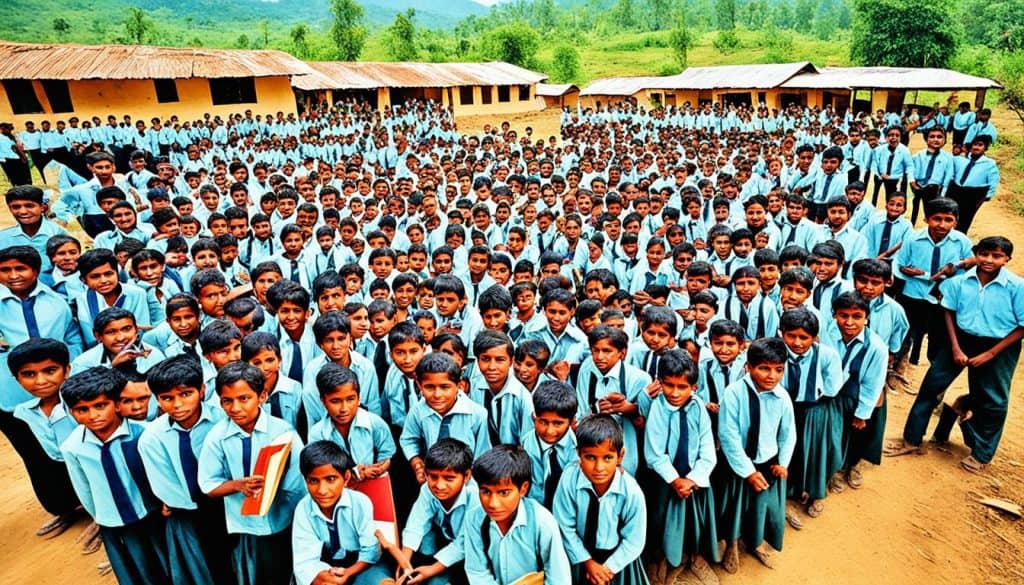
The Rural and Low-Income School (RLIS) program is designed for rural areas with many poor families. The money each state gets from RLIS depends on how many eligible kids there are. These funds support a wide range of educational activities.
But, there are rules for these funds. For instance, an educational body can’t get both SRSA and RLIS funds. SRSA applications are due in spring, while RLIS forms are due in late summer or fall, depending on the state.
Identifying eligible schools has gotten better with new Urban-Centric Locale Codes. Also, keeping track of big purchases is essential under Title V, Part B, with a minimum cost set at $5,000. These details help make sure the funds go where they’re needed most.
Focusing on rural education needs through SRSA and RLIS shows a big improvement. It’s important for local educational bodies to know the deadlines, rules, and how they can use the funds. This way, they get the most out of federal support to fix funding inequity.
Recruitment and Retention of Educators in Rural Areas
Finding and keeping teachers in rural areas is tough. Issues like lower salaries, being far from cities, and heavy workloads make it hard. Knowing why this happens helps us find solutions to keep teachers there.

Challenges in Hiring Qualified Teachers
It’s hard to get good teachers for rural schools. Mainly because of compensation. Rural places often pay less than cities. This makes rural jobs less appealing and hard to fill.
Rural teachers also feel professionally lonely. They have less chance to work with others and grow. A Rural School and Community Trust report says they also lack resources. This affects their work happiness. Plus, they have to do many extra tasks and teach different grades.
All these problems make teachers leave more often. This is bad for students, schools, and communities. The Regional Educational Laboratory Midwest says we need to fix this fast. It’s important for the students’ future.
Strategies for Retaining Educators
We can keep teachers by paying them better. Making their pay and benefits as good as in other places will help. It’s a clear way to make the job more attractive.
Administrative support also keeps teachers happy. Training leaders to support teachers is key. And we need to give teachers more chances to learn and grow. This includes online learning to help them feel less isolated.
Finding local people to become teachers works well. “Grow Your Own” programs get locals trained. These teachers know and love their community. This makes them more likely to stay and improve education.
Impact of the Every Student Succeeds Act on Rural Education
The Every Student Succeeds Act (ESSA) has changed rural education a lot. It took over from the No Child Left Behind (NCLB) Act. ESSA gives more control to states and local education groups. This means more focus on the needs of rural places. Nearly one-third of the country’s students learn in rural schools. So, these changes matter a lot to them.
Key Provisions for Rural Schools
ESSA has important parts that help rural schools. The Rural Education Achievement Program (REAP) is one. REAP lets schools get money to do things like hire more teachers and buy technology. They can also offer more classes and help students do better. ESSA also makes it easier for rural schools to apply for federal grants together through their Local Education Agencies (LEAs).
Differences Between ESSA and Previous Legislation
ESSA is different from NCLB because it lets states choose how to run their schools. NCLB was stricter and made things harder for rural schools. ESSA lowers these difficulties and lets schools have more control. Half of the nation’s school districts are in rural areas. ESSA supports projects that give resources to schools that really need them.
In the end, ESSA’s role in rural education is about fairness and being able to adapt. It understands the unique needs of rural communities. This is a big step forward.
Access to Resources and Technology in Rural Schools
Rural schools often struggle to access needed resources and technology. This creates a big gap that affects students and educators alike. They face issues like poor internet access and not enough educational materials. We need to work hard to close this gap and make sure everyone gets a fair chance at education.
Broadband Internet Access
In rural schools, getting reliable broadband internet is a big challenge. For instance, in northern Utah, just 73% of rural families have good internet. The COVID-19 pandemic made it clear how tough this can be. Without good internet, it’s hard for students to learn, especially from home.
The J.A. and Kathryn Albertson Foundation has put nearly $700 million into Idaho since 1997. Investments like these are key to solving this problem. They help make sure rural students can use the internet for school.
Availability of Educational Materials
Getting good educational materials is another big issue for rural schools. Many students don’t have access to enough books or different types of classes. This is often because rural schools don’t have the money to buy what’s needed.
Programs like UPSTART are making a difference. They help improve reading skills significantly. But these programs need internet access and good materials to work well. The Rural Opportunities Consortium of Idaho highlights the need for better funding for these schools.
We must focus on getting more students access to great teachers. High-quality teaching is key to helping students succeed. Using technology, like telepresence robots, can help. But we also need to design classrooms that work well with technology.
As we look to technology to solve education problems, we must remember rural schools’ unique needs. This means better internet and resources for learning at home and in school.
The Future of Policies Addressing Rural Education Needs
Looking ahead, it’s key to focus on the unique setting of rural education. With over 46 million living in rural parts of the U.S., and nearly 20% of students in rural schools, it’s clear these areas have special needs. These include tackling poverty and adapting to more diverse student bodies.
To better rural schools, we must strengthen advocacy at all levels. The Purdue Center for Rural Research, Education, and Outreach leads by example. It works on teacher development, diversity, and getting communities involved. Programs like the “1-2-1 Grow-Your-Own Teacher Pipeline Program” help keep good teachers in these areas. By forming partnerships and seeking grants, the Center aims to improve education in rural spots.
Addressing the technology gap is also critical. With nearly 17 million kids without internet for schoolwork, this issue is urgent. Future policies need to focus on better internet and tech in rural schools. This will help all students have the same chances to succeed. Encouraging community efforts and using local advantages can change rural education for the better.