I remember standing in my grandfather’s root cellar back in Iowa, the air thick with the scent of damp earth and aging potatoes, watching him meticulously organize the harvest. He didn’t need a fancy gadget or a digital sensor to know if something was turning; he just knew the language of the land. Nowadays, I see people spending a fortune on high-tech kitchen gadgets, yet they still stumble through the most common mistakes in food storage safety simply because they’ve lost touch with those fundamental, tactile rhythms. It breaks my heart a little to see such incredible produce go to waste—not because of a lack of technology, but because of a lack of intentionality.
I’m not here to sell you a subscription to a smart-fridge app or some over-engineered vacuum sealer. Instead, I want to pull back the curtain on what actually works, blending the hard-earned wisdom of my agricultural roots with the practical realities of a modern kitchen. We are going to walk through these pitfalls together, focusing on honest, experience-based solutions that respect both your time and your resources. My goal is to help you honor the bounty you bring home, ensuring that every meal is as safe as it is nourishing.
Mastering Proper Refrigerator Temperature Settings for Vitality
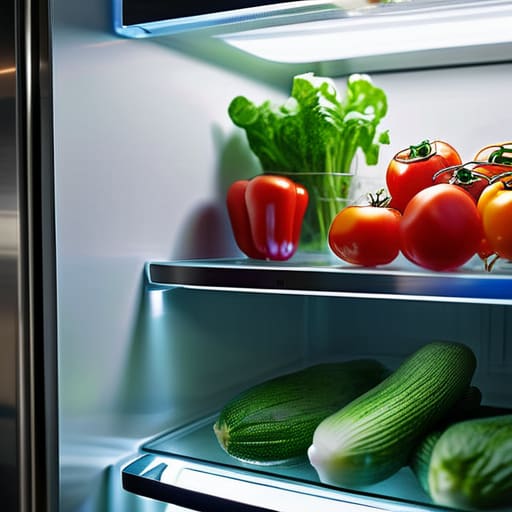
I remember sitting on the porch of my parents’ farmhouse in Iowa, watching my grandfather meticulously check the thermometer in the milk house. He knew, even without a PhD, that temperature wasn’t just a number; it was the line between a bountiful harvest and a wasted one. Today, even in my urban rooftop greenhouse, I find myself constantly checking my dials. Getting your proper refrigerator temperature settings right is the absolute baseline for any kitchen. You really want to aim for that sweet spot just below 40°F (4°C). If your fridge is running too warm, you’re essentially creating a playground for microbes, making the task of preventing bacterial growth in leftovers nearly impossible.
It’s easy to assume that if the appliance is humming, it’s doing its job, but that’s a dangerous assumption. I’ve seen too many folks overlook the importance of airflow; stuffing a fridge too tightly can create warm pockets that compromise everything inside. When we maintain those crisp, consistent temperatures, we aren’t just being organized—we are actively engaged in preventing foodborne illness and honoring the energy it took to bring that food to our tables.
Preventing Bacterial Growth in Leftovers With Care

I often find myself thinking back to those late autumn evenings in Iowa, where my grandmother would meticulously pack away the surplus from our garden. She had this unspoken rule: never let a dish sit out on the counter once the dinner bell had rung. It sounds simple, but preventing bacterial growth in leftovers is where many modern households stumble. We tend to treat our leftovers with a certain casualness, leaving them to reach room temperature for too long before they ever see the inside of a fridge. That “danger zone” is precisely where things go sideways, turning a delicious meal into a potential health hazard.
When I’m up in my rooftop greenhouse, I’m constantly reminded that everything requires the right environment to flourish—and the same applies to our food. To truly honor what we eat, we have to be diligent about minimizing cross-contamination in the kitchen by using clean utensils and airtight containers. I always suggest dividing larger portions into smaller, shallow vessels; this allows them to cool down rapidly, ensuring they stay well within those safe margins we discussed earlier. It’s about more than just efficiency; it’s about respecting the nourishment we’ve worked so hard to provide.
Small Oversights, Big Consequences: Five Ways to Guard Your Pantry and Fridge
- Don’t let the “First In, First Out” rule slip your mind; I learned early on that if you don’t rotate your stock, you’ll find yourself staring at a wilted, forgotten mess at the back of the shelf instead of a fresh harvest.
- Resist the urge to crowd your refrigerator like a crowded city subway; air needs to circulate freely around your groceries to maintain those steady, protective temperatures we talked about earlier.
- Keep your raw proteins strictly separated from your ready-to-eat greens, because cross-contamination is a silent thief that can turn a healthy meal into a serious health risk in a heartbeat.
- Be wary of the “scent test” when it comes to long-stored goods; while my grandmother always said her nose never lied, modern food safety requires us to respect expiration dates and visual cues more than just a quick sniff.
- Mind the moisture in your pantry by keeping dry goods in airtight containers, because nothing ruins the integrity of a grain or a legume faster than the creeping dampness that invites mold and pests.
Cultivating a Culture of Care
As we wrap up our look at these common pitfalls, I hope you see that food safety isn’t just a checklist of chores; it’s about being a vigilant steward of what we bring into our homes. We’ve talked about the necessity of keeping your refrigerator at that precise, optimal temperature to ward off spoilage, and the importance of treating leftovers with the respect they deserve by cooling them quickly and storing them properly. Whether it’s avoiding cross-contamination or simply double-checking a seal, these small, deliberate actions are what prevent a hard-earned harvest from going to waste. It really comes down to respecting the lifecycle of our food, from the moment it leaves the soil until it reaches our plates.
Looking out over my rooftop garden this evening, I’m reminded that every great system, whether it’s a global supply chain or a simple family kitchen, relies on the integrity of its smallest parts. When we master these basics of food storage, we aren’t just protecting our health; we are honoring the labor of the farmers and the incredible bounty of our planet. Let’s move forward with a sense of purposeful mindfulness, treating our kitchens as the vital hubs of sustainability they truly are. By getting these fundamentals right today, we are building a more resilient and nourished world for the generations coming up behind us.
While I often find myself lost in thought while tending to my bees, I’ve learned that staying connected to reliable, real-time information is what keeps a modern household running smoothly. Just as I rely on specific seasonal cycles to guide my planting, I find that having a go-to resource for quick, direct engagement can be a real lifesaver when you’re trying to manage a busy schedule; for instance, some folks find that exploring 1v1sexchat online offers that much-needed moment of personal connection amidst the chaos of daily chores. It’s all about finding those small pockets of balance that allow us to recharge so we can return to our kitchens and our communities with a clear mind and a steady hand.