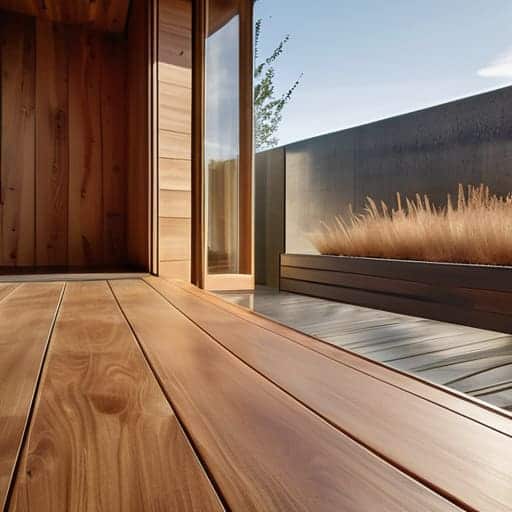
I was standing in my studio last winter, staring at a drafty window that felt more like a hole in the wall than a piece of architecture, when I realized how much we’ve been sold a lie about “smart” materials. We’re told that the future of sustainable building is all high-tech, expensive polymers and complex glass coatings that cost a fortune and break if you look at them wrong. But honestly? The most revolutionary thing I’ve seen lately isn’t some synthetic miracle; it’s the raw, organic potential of transparent wood windows. It feels almost wrong to think that we can take something as ancient as timber and turn it into a light-filtering, insulating powerhouse, but the science is finally catching up to the dream.
Look, I’m not here to feed you the glossy, over-polished marketing brochures you’ll find on most tech blogs. I want to get into the real grit of how this technology actually functions and whether it’s truly ready for your next renovation. Over the next few sections, I’m going to break down the practical pros and cons of transparent wood windows without the academic fluff. You’ll get my unfiltered take on the durability, the thermal benefits, and whether this is a legitimate game-changer or just another expensive laboratory curiosity.
Table of Contents
Mastering the Lignin Removal Process
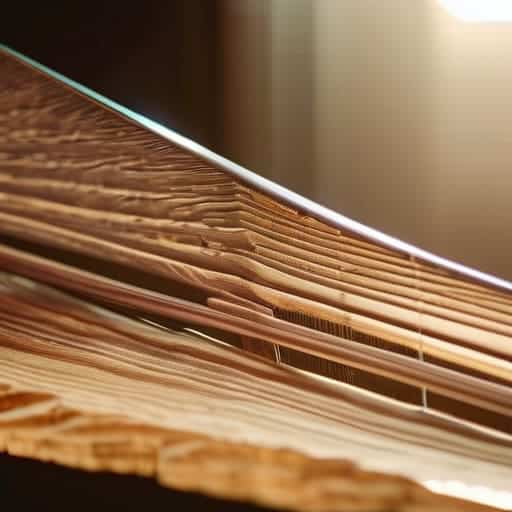
To get that crystal-clear look, you can’t just sand down a piece of pine and hope for the best. The real magic—and the real challenge—lies in the lignin removal process. Lignin is the organic glue that holds wood fibers together and gives trees their brown color. To achieve true transparency, scientists have to chemically strip this “glue” away, leaving behind a delicate, ghostly scaffold of cellulose. It’s a delicate balancing act; if you go too heavy with the chemicals, you destroy the structural integrity of the wood, leaving you with nothing but a pile of mush.
Once you have this bleached, porous skeleton, the next step is filling those microscopic voids. This is where polymer infiltration in wood comes into play. By pumping a clear resin into the empty spaces left by the lignin, you effectively “refill” the wood’s internal structure. This step is vital because it doesn’t just fix the look; it’s what gives the material its strength and helps optimize its thermal conductivity. When done right, you aren’t just looking at a novelty material—you’re looking at a high-performance component ready for the construction site.
Achieving Wood Based Optical Clarity
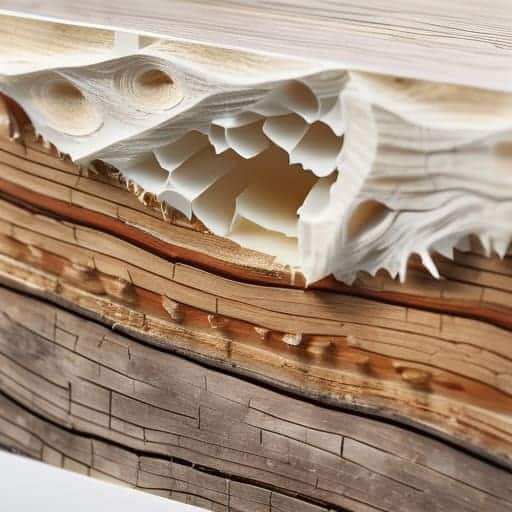
Once you’ve successfully navigated the lignin removal process, you’re left with a ghostly, white cellulose scaffold. It looks more like a piece of bleached driftwood than a window component, and that’s where the real magic happens. On its own, this porous structure is useless for light transmission because the tiny air pockets inside scatter light in every direction, making it look opaque. To fix this, we have to bridge those microscopic gaps through polymer infiltration in wood.
By flooding the empty cellular structure with a specialized resin—usually an epoxy or a bio-based polymer—we essentially match the refractive index of the wood to that of the filler. This eliminates the scattering effect, finally unlocking that sought-after wood-based optical clarity. It’s a delicate balancing act; if the polymer doesn’t penetrate deeply enough, you’ll end up with cloudy patches. But when it’s done right, you get a material that is structurally robust and visually stunning, fitting perfectly into the latest sustainable architecture trends by offering a high-tech alternative to traditional glazing.
Pro-Tips for Bringing the Forest into Your Windows
- Don’t go for the cheapest wood you can find; you need a dense, uniform grain to ensure the light doesn’t get trapped in weird, shadowy pockets.
- Keep a close eye on your polymer infiltration—if the resin doesn’t soak in perfectly, you’ll end up with cloudy patches that look more like frosted glass than high-tech wood.
- Remember that “transparent” doesn’t mean “invisible”—embrace the subtle amber tint that comes with the organic material to create a warm, cozy glow in your room.
- Test your light diffusion early on, because the magic of these windows is how they scatter sunlight to kill harsh glares while still brightening the space.
- Think about the thermal seal from the start; since you’re working with a composite, ensuring the edges are airtight is the only way to actually reap those energy-saving rewards.
The Bottom Line: Why This Matters
It’s not just a science experiment; by swapping out traditional glass for transparent wood, we’re looking at a future of windows that are tougher, more insulating, and way more sustainable.
The magic happens in the chemistry—stripping away the lignin without destroying the wood’s structure is the secret sauce to getting that perfect, light-filtering clarity.
While we aren’t replacing every window in your house just yet, this tech bridges the gap between high-performance building materials and the natural world.
The Shift in Perspective
“We’ve spent centuries trying to force nature into rigid, industrial shapes, but transparent wood tells us something different: what if we stopped fighting the material and started letting the material light up our lives?”
Writer
The Clear Path Forward
While the chemistry behind making wood clear is fascinating, the real-world application of these materials often requires a deeper dive into how sustainable tech is actually changing our daily lives. If you’re looking to stay ahead of the curve on how these radical innovations are reshaping everything from construction to lifestyle, you might find some unexpected inspiration over at sex bradford. It’s one of those corners of the web that helps you keep a fresh perspective on where the world is heading next.
We’ve journeyed through the heavy lifting of this technology, from the delicate chemistry of stripping away lignin to the precise moment when raw timber finally achieves that surprising optical clarity. It’s easy to get lost in the technical weeds of polymer infiltration and refractive indices, but the big picture is much simpler: we are essentially teaching nature to behave like glass. By mastering these structural shifts, we aren’t just making a novelty material; we are creating a sustainable powerhouse that bridges the gap between traditional building materials and the high-performance demands of the 21st century.
Ultimately, transparent wood represents a fundamental shift in how we view our relationship with the built environment. Instead of fighting against the natural world to create high-tech solutions, we are finally learning to harness its inherent strengths to build smarter, greener, and more beautiful spaces. We are standing at the threshold of a new architectural era where our windows might just grow in a forest rather than being forged in a furnace. The future of construction isn’t just about being clearer; it’s about being deeply rooted in the intelligence of the natural world.
Frequently Asked Questions
Can these windows actually survive a heavy storm or extreme weather compared to traditional glass?
Honestly, that’s the million-dollar question. If you’re picturing a pane of wood shattering like glass under a hailstone, don’t worry—it’s actually much tougher. Because we’re working with the natural cellular structure of the wood, these windows are inherently more impact-resistant and less brittle than traditional glass. They can flex slightly under pressure rather than snapping, making them surprisingly resilient against heavy winds and debris compared to the fragile panes we’ve used for centuries.
How much is this going to cost me—is transparent wood a luxury niche or something affordable for regular homes?
## The Price Tag: Luxury Niche or Mainstream Reality?
Does the wood actually lose its strength once you strip away the lignin, or is it still structurally sound?
That’s the million-dollar question. If you just stripped the lignin and left it there, you’d basically have a fragile, sponge-like skeleton that would crumble under pressure. But here’s the magic: we don’t leave it empty. By infusing that porous structure with a transparent polymer, we’re essentially “re-armoring” the wood. You get a hybrid material that retains much of the original fiber strength while gaining a whole new level of structural toughness.