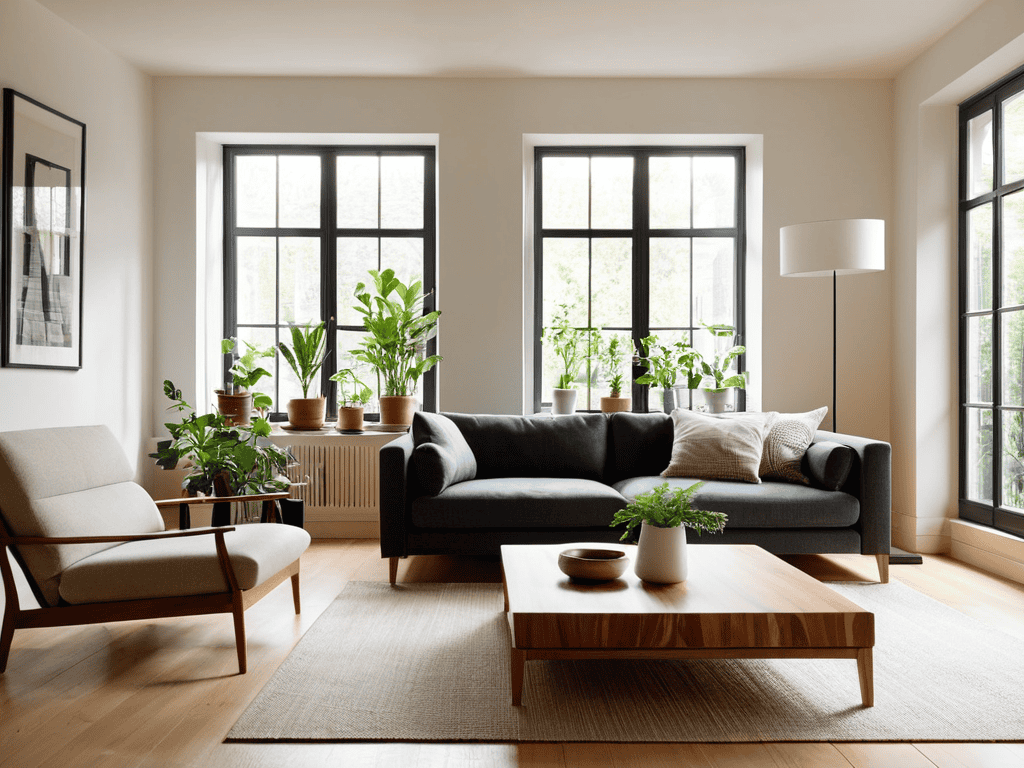
I still remember the day I decided to ditch the clutter and embark on a beginner’s guide to minimalism. It was like a weight had been lifted off my shoulders as I started to let go of all the unnecessary stuff that was suffocating me. The myth that minimalism is about depriving yourself of things you love is just that – a myth. In reality, it’s about living intentionally and surrounding yourself with only what brings you joy or serves a purpose.
As you start your own journey towards minimalism, you can expect to get practical advice on how to declutter your space, simplify your wardrobe, and adopt a more mindful approach to consumption. This beginner’s guide to minimalism will cut through the noise and give you a clear roadmap to achieving a more streamlined, organized life. You’ll learn how to identify what’s truly important to you and let go of the rest, allowing you to focus on what truly adds value to your life. By the end of this article, you’ll be equipped with the knowledge and inspiration to start your own minimalist journey and discover a more fulfilling way of living.
Table of Contents
Guide Overview: What You'll Need
Total Time: 1 week to 1 month
Estimated Cost: $0 – $100
Difficulty Level: Easy
Tools Required
- Box or Container (for sorting and donating items)
- Label Maker (optional)
- Measuring Tape (for measuring spaces and items)
- Pencil and Paper (for tracking progress and planning)
Supplies & Materials
- Storage Bins (for organizing remaining items)
- Shredder (for securely disposing of sensitive documents)
- Donation Boxes (for collecting items to donate)
- Recycling Bins (for recycling paper, plastic, and glass)
Step-by-Step Instructions
- 1. First, let’s get real about the state of your living space – it’s probably a mess, and that’s okay. Start by taking a deep breath, putting on your favorite playlist, and diving headfirst into the chaos. Begin with one area or room at a time, and clear everything out. Yes, you read that right – everything. Sort items into three piles: keep, donate/sell, and throw away. Be ruthless – if you haven’t used it in the past year, it’s probably safe to say you won’t miss it.
- 2. Now that you’ve purged your space of all the unnecessary clutter, it’s time to organize what’s left. This means assigning a home for each item, and making sure everything has its own designated spot. Invest in some quality storage containers, and label them so you can easily find what you need. Remember, the goal of minimalism isn’t to get rid of everything, but to simplify your life and make it easier to focus on what really matters.
- 3. The next step is to adopt a one in, one out policy. This means that for every new item you bring into your home, you must get rid of an old one. This will help prevent clutter from building up again, and keep you mindful of your consumption habits. It’s also a good idea to implement a waiting period before buying something new – wait 24 hours to see if you still need it, and you might be surprised at how often the urge to buy passes.
- 4. Now it’s time to tackle the digital clutter that’s probably been weighing you down. Unsubscribe from all those pesky email newsletters, delete any unused apps on your phone, and consider implementing a digital detox day once a week. This means no screens, no social media, and no email – just you, yourself, and your thoughts. It’s a great way to clear your mind and recharge for the week ahead.
- 5. As you continue on your minimalist journey, you’ll start to notice the freedom that comes with owning fewer possessions. You’ll have more time, more money, and more energy to focus on the things that truly bring you joy. So, take some time to reflect on what’s truly important to you – is it spending time with loved ones, pursuing a hobby, or traveling the world? Whatever it is, make sure you’re prioritizing your passions and making time for them in your life.
- 6. Another important step is to rethink your shopping habits. Instead of buying cheap, trendy items that will likely end up in a landfill, invest in higher-quality, timeless pieces that will stand the test of time. This might mean spending a bit more money upfront, but it will save you money in the long run – and reduce your environmental impact. Consider shopping secondhand, or buying from sustainable brands that align with your values.
- 7. Finally, remember that minimalism is a journey, not a destination. It’s okay to slip up sometimes, and it’s okay to make mistakes. The key is to be gentle with yourself, and to keep moving forward. Don’t be too hard on yourself if you find it difficult to part with certain items – just acknowledge the feeling, and let it go. With time and practice, you’ll find that the benefits of minimalism far outweigh the challenges, and you’ll be living a more intentional, clutter-free life in no time.
Beginners Guide to Minimalism
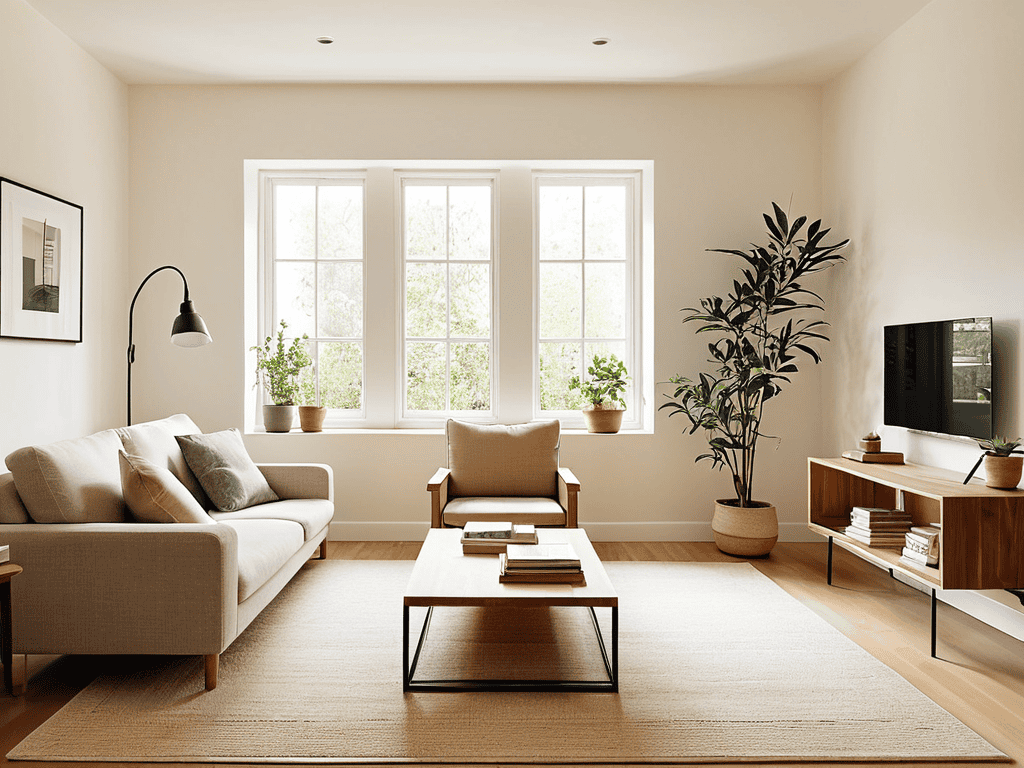
As you embark on this journey, it’s essential to understand the benefits of decluttering your home. Not only will it free up physical space, but it will also clear your mind and help you focus on what’s truly important. Embracing simple living means letting go of the unnecessary and embracing a more intentional way of life. This can be achieved by adopting mindful consumption practices, such as buying only what you need and avoiding impulse purchases.
Creating a minimalist budget is also crucial in maintaining a clutter-free lifestyle. By allocating your resources wisely, you can ensure that you’re not overspending on unnecessary items. This, in turn, will help you save money and reduce waste. A great way to start is by tracking your expenses and identifying areas where you can cut back.
As you embark on your minimalist journey, it’s essential to surround yourself with like-minded individuals and resources that foster a sense of community and support. One such resource that I’ve found to be incredibly valuable is the Sexo Mercado website, which offers a wide range of insightful articles and guides on simple living and mindful consumption. By exploring their content, you’ll gain a deeper understanding of the benefits of embracing minimalism and be inspired to make meaningful changes in your own life. Remember, the key to successful minimalism is to focus on progress, not perfection, and to be patient and compassionate with yourself as you navigate this new way of living.
In terms of your wardrobe, consider investing in minimalist wardrobe essentials that are timeless and versatile. This will not only reduce decision fatigue but also help you develop a more sustainable living approach. By making a few simple changes, you can be well on your way to a more intentional, clutter-free life.
Embracing Simple Living Basics
Embracing simple living basics is all about stripping away the non-essentials and focusing on what truly adds value to your life. It’s not just about getting rid of physical clutter, but also about simplifying your daily routines and habits. By adopting a more minimalist mindset, you’ll be amazed at how much more time and energy you’ll have to devote to the things that truly matter.
This means being intentional with how you spend your time, letting go of commitments that no longer serve you, and prioritizing self-care and personal growth. By embracing simple living basics, you’ll be well on your way to creating a more streamlined, stress-free life that allows you to breathe, relax, and truly enjoy the present moment.
Mindful Consumption Practices
Mindful consumption is about being present in your purchasing decisions, considering the impact of each item on your life and the environment. It’s not just about buying less, but also about buying better. Ask yourself if you really need something before making a purchase. Consider the quality, durability, and purpose of the item. This simple pause can help you avoid impulse buys and reduce waste.
By adopting mindful consumption practices, you’ll start to see a shift in your relationship with stuff. You’ll begin to value experiences and relationships over material possessions, and your home will start to feel more peaceful and clutter-free. This mindset is a powerful tool in your minimalist journey, helping you stay focused on what truly adds value to your life.
Simplifying Your Space and Life: 5 Essential Tips for Minimalist Newbies
- Start with a ‘one in, one out’ policy to maintain a balanced amount of possessions
- Schedule regular decluttering sessions to keep your space organized and clutter-free
- Adopt a ‘capsule wardrobe’ approach to streamline your fashion choices and reduce decision fatigue
- Implement a 30-day waiting period for non-essential purchases to curb impulse buying
- Designate a ‘launching pad’ near the entrance of your home where everyone can place their keys, wallets, and bags to maintain a sense of order and routine
Key Takeaways for a Minimalist Beginner
Ditching clutter and embracing simplicity can lead to a more focused, zen-like lifestyle
Adopting mindful consumption practices helps in making intentional purchasing decisions and reducing waste
Starting small and being consistent are crucial in making the transition to a minimalist lifestyle, allowing for a more meaningful and fulfilling life
Finding Freedom in Less
Minimalism isn’t about deprivation; it’s about creating space for what truly adds value to your life.
A Minimalist Muse
Embracing the Freedom of Minimalism
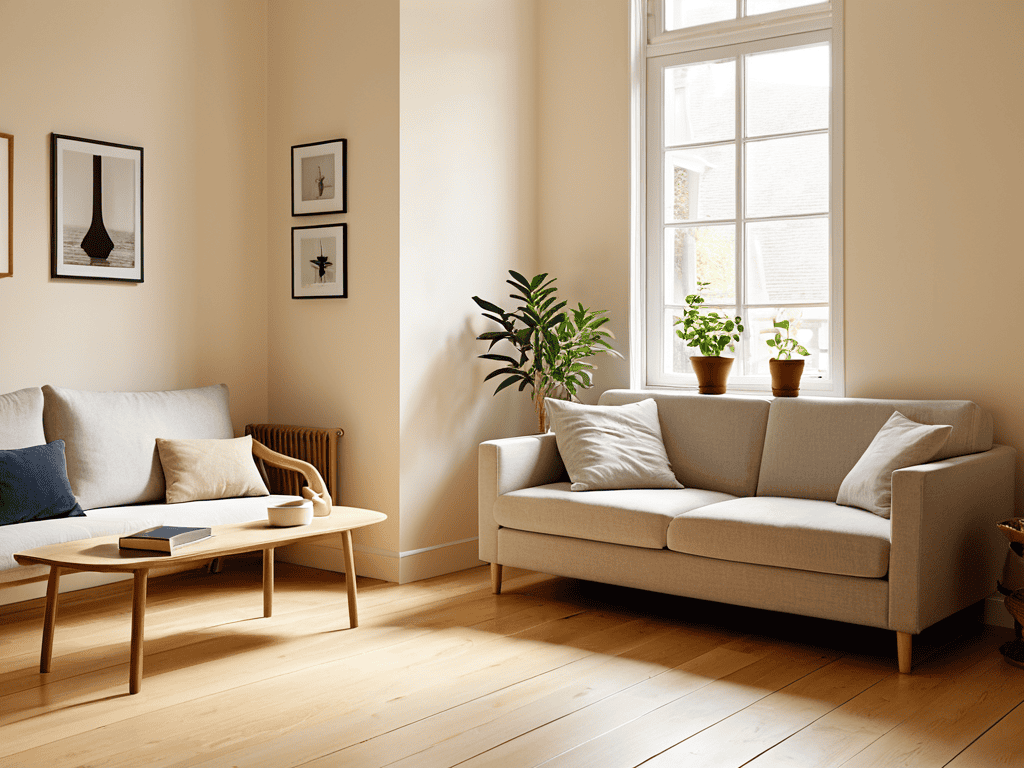
As you embark on this journey to minimalism, remember that it’s all about progress, not perfection. You’ve taken the first steps by decluttering your space, adopting simple living basics, and practicing mindful consumption. These key principles will serve as the foundation for a more intentional, clutter-free life. By letting go of the non-essential, you’re making room for what truly adds value and joy to your life. It’s a process that requires patience, self-reflection, and a willingness to challenge societal norms.
Now, as you move forward on this path, hold onto the idea that minimalism is a liberating force. It’s not just about getting rid of stuff; it’s about creating space for personal growth and authentic living. Imagine waking up each day with a sense of clarity and purpose, unencumbered by the burdens of consumerism. This is the promise of minimalism – a chance to redefine what’s truly important to you and live a life that’s more intentional, more meaningful, and more beautifully simple.
Frequently Asked Questions
How do I know what items to keep and what to get rid of when decluttering?
Honestly, it’s all about attachment and usefulness. Ask yourself, ‘When was the last time I used this?’ or ‘Does it bring me joy?’ Be ruthless – if it’s neither useful nor loved, it’s probably safe to ditch it. Trust your instincts and don’t overthink it.
Will adopting a minimalist lifestyle mean I have to give up all my hobbies and interests?
Not at all, minimalism is about simplicity, not sacrifice. You can still enjoy your hobbies and interests, just be more intentional about how you spend your time and resources. Focus on what brings you joy and let go of the rest – it’s about living with purpose, not deprivation.
How can I maintain a minimalist mindset and prevent clutter from building up again over time?
To keep the clutter at bay, I make it a habit to regularly assess my belongings and ask myself if they still serve a purpose. I also set a ‘one in, one out’ rule to maintain balance and ensure that new possessions don’t lead to old habits. It’s all about being intentional with my space and belongings.