I once tried turning my living room into a minimalist haven. Thought I’d transcend into some zen-like state of being, free from the shackles of clutter. Instead, I achieved a barren wasteland so devoid of personality, it could’ve been mistaken for a waiting room in purgatory. The couch screamed ‘IKEA reject,’ and the walls were an ode to the absence of color. It was like living inside an eggshell, fragile and bleak. And yet, somehow, the room still managed to suffocate me with its emptiness.
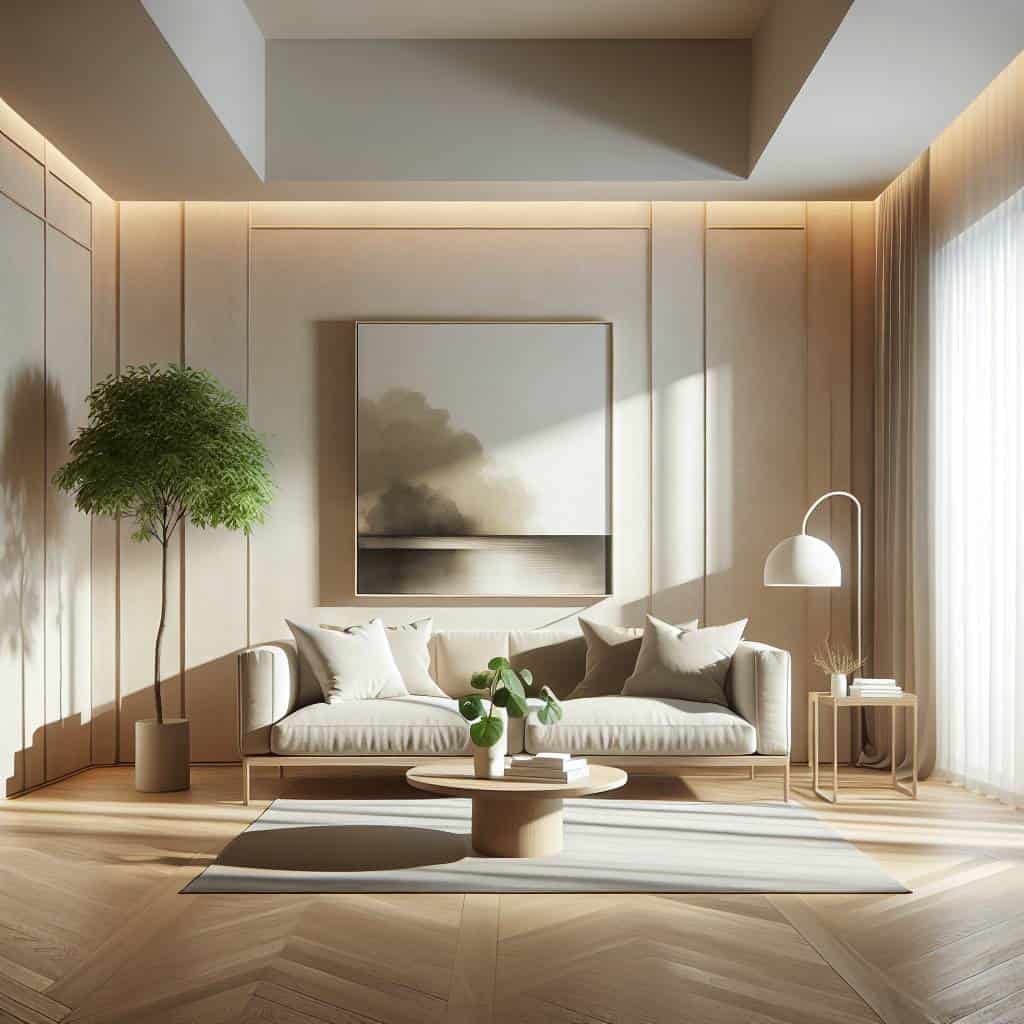
But here’s the kicker: minimalism doesn’t have to mean stripping your space bare until it resembles a monk’s cell. There’s a balance to strike, a dance between simplicity and soul. So, in this article, I’ll guide you through the art of creating a living room that’s both clutter-free and functional, without sacrificing warmth. Think neutral palettes that don’t bore you to tears and simple furniture that doesn’t compromise on comfort. We’ll dig into the nuances of decor that whispers rather than shouts. Because, after all, your home should be a sanctuary—not a sterile museum exhibit.
Table of Contents
- The Great Purge: Decluttering My Way to a Functional Zen Den
- Confessions of a Recovering Hoarder: Embracing the Clutter-Free Life
- The Neutral Color Palette: Or How I Learned to Stop Worrying and Love Beige
- Turning Your Living Room Into a Zen Retreat: The Minimalist Gospel
- Stripping Down Your Living Room: Where Less is More (Kind of)
- Stripping Down to Essence
- Stripping Down Your Living Room: Answers to Your Minimalist Queries
- The Bare Bones of Living
The Great Purge: Decluttering My Way to a Functional Zen Den
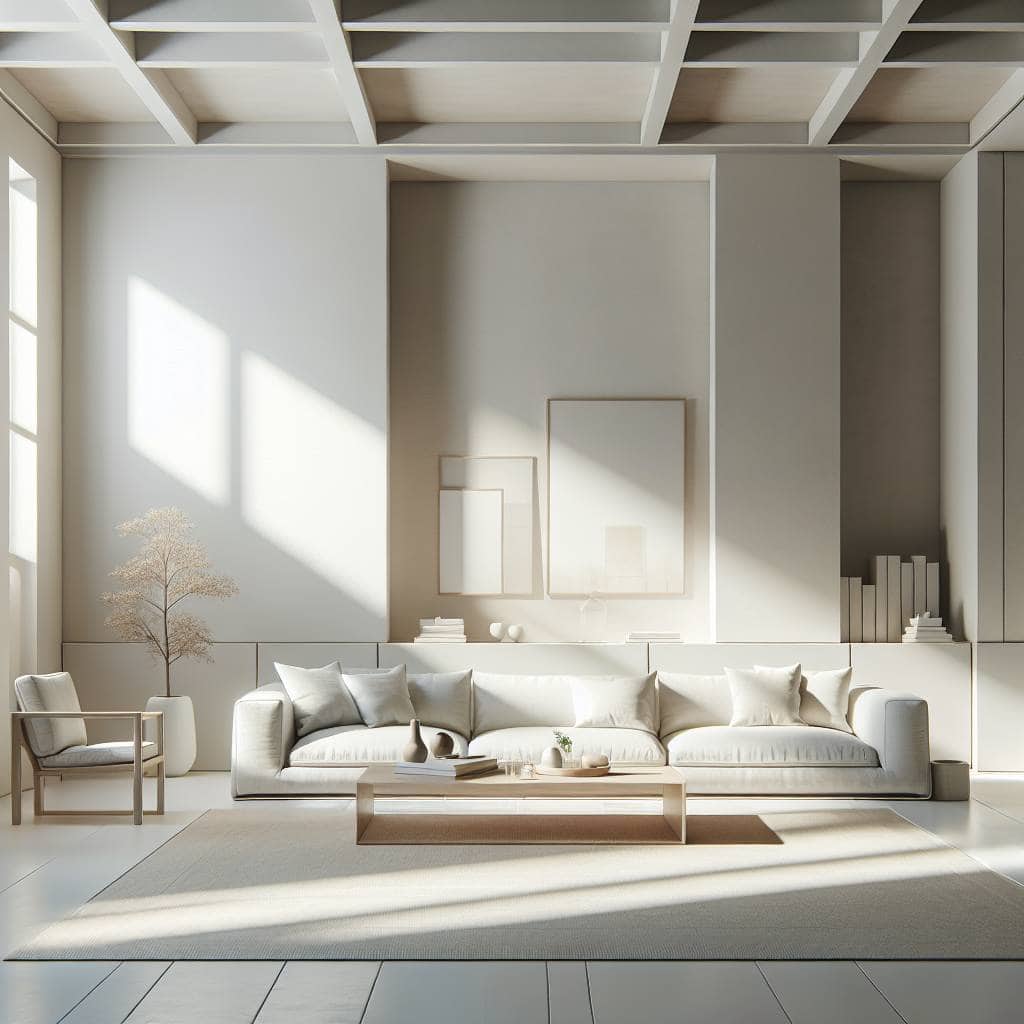
You know that feeling when you’re knee-deep in stuff, and suddenly, you can’t remember why you needed it in the first place? That’s the moment I hit rock bottom. My living room had become a graveyard of forgotten knick-knacks and outdated magazines, suffocating any chance of serenity. So, I declared war on clutter and embraced the chaos of “The Great Purge.” It wasn’t just about dumping things in a box for the thrift store. This was a reckoning—a raw, gritty confrontation with my own tendency to hoard memories in the form of junk.
As I sifted through the rubble, I envisioned a space that didn’t just look clean—it felt like exhaling after a long day. I stripped the room down to its bare bones, embracing a neutral color palette that felt like a blank canvas rather than a sterile hospital ward. The walls, once drowning in a cacophony of mismatched frames, now breathed easy with just a few choice pieces that truly spoke to me. Simple furniture took center stage—each piece functional, sturdy, and honest in its purpose. It was like inviting old friends back into my life, ones who knew when to offer comfort and when to leave me alone.
The result? A living room that whispers rather than shouts. A space where every item has a reason to exist, and nothing is there just to fill a void. It’s a Zen Den, sure, but not the kind that demands enlightenment at every turn. It’s a place for living, for being. It’s where the outside world’s noise fades away, and the only thing left is the steady hum of simplicity. If you’re ready to cut through the clutter, remember: it’s not about what you lose. It’s about what you gain when you finally see the floor.
Confessions of a Recovering Hoarder: Embracing the Clutter-Free Life
If you’d told me a year ago that I’d be writing about my journey from hoarder to minimalist, I would have laughed you out of the room, probably tripping over a stack of old magazines in the process. But here I am, confessing: I was a hoarder. Not the TV-show kind with rodent-infested rooms, but a hoarder nonetheless. Every item told a story, and I was the unofficial historian of my own dusty museum. Yet, the day came when I realized that clinging onto the past was like trying to catch smoke with my bare hands. I had to let go.
The shift from chaos to calm wasn’t an overnight epiphany, more like a slow, grueling excavation of my own stubbornness. Each item became a battlefield, a moment of reckoning. Did I need this? Did it serve a purpose? Or was I just afraid of the silence it would leave behind? In peeling back the layers of clutter, I discovered something unexpected: space—both physical and mental. These days, I walk through my home with a newfound lightness, a silent testament to the beauty of less. I’m not saying I’ve got it all figured out, but I’ve learned that life feels a little more like living when it’s not buried under a mountain of could-haves and should-haves.
The Neutral Color Palette: Or How I Learned to Stop Worrying and Love Beige
Beige. The color that once made me recoil as if it were the embodiment of a life half-lived. But here’s the kicker: in the pursuit of a functional zen den, I found myself under its spell. It started innocently enough, swapping out garish throw pillows for something more… understated, and then, before I knew it, beige had infiltrated every corner of my space. Like a silent revolution, the neutral palette dethroned chaos, bringing a calm that whispered, “You don’t need the world to see you; you just need to see yourself.
Now, don’t get me wrong. I haven’t traded my soul for a color chart devoid of life. What I discovered was that beige—alongside its not-so-distant cousins, taupe and greige—acts as a blank canvas. It’s an invitation to let the mind wander, unencumbered by the distractions of bold hues screaming for attention. In a world that demands constant interaction and feedback, sometimes it’s liberating to let the walls fade to the background, allowing the things that truly matter to come into focus. And if that means embracing the subtlety of beige, then consider me a convert, one who has learned to stop worrying and love the quiet revolution of neutrality.
Turning Your Living Room Into a Zen Retreat: The Minimalist Gospel
- Strip it down to the bones—ditch the clutter that screams chaos and embrace the empty spaces that whisper tranquility.
- Choose furniture that’s as simple as a country sunrise, where every piece earns its keep with no room for freeloaders.
- Let your walls breathe with a neutral color palette that feels like a gentle breeze, not a cacophony of colors vying for attention.
- Functionality is king; think of your space as a tool, not a decoration, where every item has a purpose and a story.
- Decorate with the kind of simplicity that’s unapologetically raw—select pieces that speak to you, not shout for likes on social media.
Stripping Down Your Living Room: Where Less is More (Kind of)
Forget the color wheel. Stick with a palette that whispers rather than shouts—grays, whites, maybe a touch of beige if you’re feeling adventurous. Keep it simple, like the sky before a storm.
Furniture should serve a purpose, not just take up space. If it’s not functional, it’s just clutter in disguise. Let your couch be your throne and your coffee table the only battlefield.
Decor? Think of it as seasoning, not the main course. A single piece with a story beats ten that just fill a void. Let the space breathe and speak for itself.
Stripping Down to Essence
A minimalist living room isn’t about what you add, but what you subtract. Embrace the quiet power of neutral tones and simple furniture—let the room breathe without the clutter suffocating its soul.
Stripping Down Your Living Room: Answers to Your Minimalist Queries
Why should I ditch the clutter for a minimalist living room?
Imagine walking into a space where your mind isn’t assaulted by the chaos of knick-knacks and forgotten gadgets. A minimalist living room is about creating a sanctuary where every piece has a purpose, and you can finally breathe without tripping over last year’s trends.
How do I choose a color palette that doesn’t put me to sleep?
Neutral doesn’t have to mean snooze-fest. Think of it as the canvas of your masterpiece. Play with textures and shades—charcoal greys, creamy whites, and earthy tones—that echo the beauty of the world outside your window, not the drab insides of a paint store.
Can simple furniture really be functional?
Simple furniture is the unsung hero of minimalism. It’s about pieces that pull double duty—like a sleek sofa that hides your clutter or a table that stands proudly without stealing the spotlight—letting your space do more with less.
The Bare Bones of Living
So here I am, sitting in my newly minted minimalist lair, pondering the meaning of space. Not the cosmic kind, but the kind that surrounds you, molds you, whispers in your ear when you’re all alone. This room, stripped of its clutter and chaos, feels like a blank page, daring me to write a new chapter. Funny thing is, the less there is, the more I see. Every piece of furniture, every splash of muted color, has earned its keep. It’s a stark beauty, one that doesn’t try too hard to impress. And maybe that’s the trick—finding beauty in simplicity, like a lone tree against an endless horizon.
But let’s not kid ourselves. It’s not just about aesthetics. This minimalist journey is as much about the mind as it is about the physical space. In clearing out the clutter, I’ve made room for something else—clarity, maybe even a touch of sanity. It’s a quiet rebellion against the excess, a nod to the idea that less really can be more. So, here’s to the neutral palette that doesn’t shout for attention, to the simple furniture that lets me breathe. Who would’ve thought that in paring down, I’d find a slice of freedom and a reminder of what really matters? Life isn’t lived in the excess, but in the intentional spaces we carve out for ourselves.