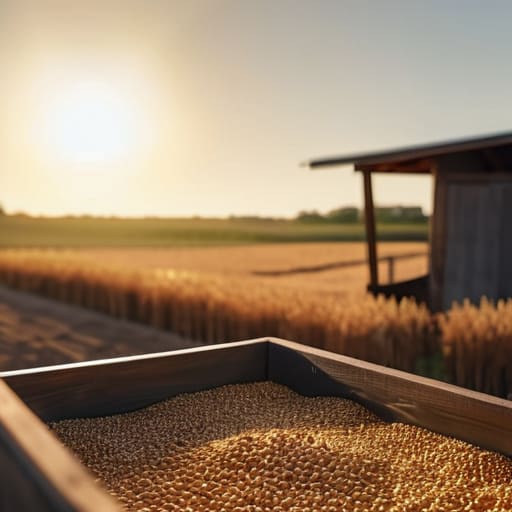
I can still smell the damp earth and heavy grain of my grandfather’s Iowa barn every time I walk into my rooftop greenhouse to check on my hives. It’s a scent that reminds me that farming isn’t about high-tech gadgets or expensive, proprietary formulas; it’s about the rhythm of life. I’ve sat through countless seminars where consultants try to sell you on “revolutionary” additives, but I’ve seen far too many folks lose their footing by overcomplicating the basics. Most of the time, the real issues stem from common mistakes in poultry feeding routines that are far too simple to be caught by a spreadsheet, yet far too costly to ignore.
I’m not here to give you a lecture or a sales pitch for a product you don’t need. Instead, I want to pull back the curtain on what I’ve learned from both the classroom and the dirt under my fingernails. I promise to share some straight-shooting, experience-based wisdom on how to streamline your approach and avoid the pitfalls that drain your resources. Let’s get back to the fundamentals and ensure your flock—and your livelihood—actually has the foundation they deserve to thrive.
Unmasking the Hidden Signs of Poor Poultry Nutrition
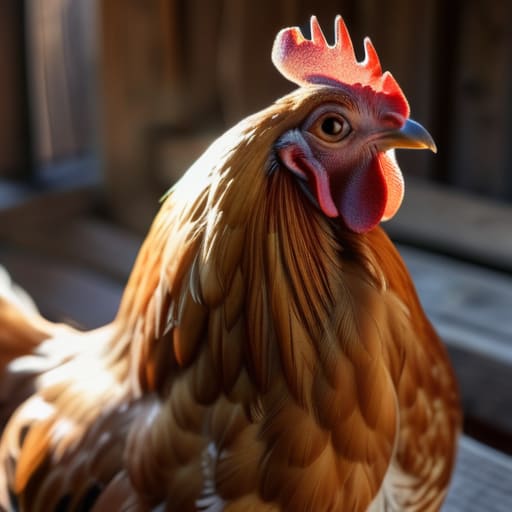
It’s easy to get caught up in the numbers and the data, but if you really want to understand what’s happening in your coop, you have to learn to read your birds like a book. I often tell my former students that the birds will tell you everything you need to know if you’re quiet enough to listen. When I’m tending to my hives or checking on a client’s flock, I look for the subtle shifts. You might notice a dullness in their feathers or a certain lethargy in their gait; these are often the first signs of poor poultry nutrition surfacing before they become catastrophic.
Sometimes, the issue isn’t what you’re giving them, but how it’s being handled. I’ve seen many a well-intentioned farmer struggle because of improper chicken feed storage, where moisture creeps in and turns a nutritious batch into something far less beneficial. It’s a heartbreaking sight to see a bird struggling simply because the nutrients weren’t stable. We have to look closer at the nuances—the way they move, the quality of their eggs, and even their thirst—to ensure we aren’t missing the quiet warnings the flock is trying to send us.
Finding Harmony Through Correct Protein Levels for Poultry
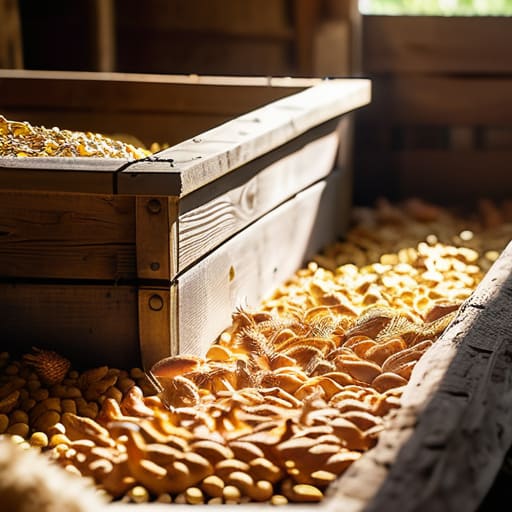
It reminds me of those long afternoons back in Iowa, watching my grandfather adjust the grain mix as the seasons shifted. He always said you couldn’t just feed a bird to fill its belly; you had to feed it to fuel its purpose. In our modern pursuit of efficiency, it’s easy to overlook the delicate balance of amino acids. When we fail to maintain the correct protein levels for poultry, we aren’t just seeing slower growth; we are seeing a breakdown in the very vitality of the flock. It’s a subtle dance between energy and building blocks, and when that rhythm is off, the whole system feels the discord.
I’ve often found that even the most expensive organic grain won’t save a bird if the protein isn’t hitting the mark. Instead of looking for a magic fix, I encourage you to look closer at the birds themselves. Are they feathering properly? Is their energy consistent? Often, what we mistake for simple environmental stress is actually a manifestation of poultry nutritional deficiencies stemming from an unbalanced diet. Finding that sweet spot requires a bit of patience and a keen eye, much like tending to a new hive in my greenhouse.
Small Adjustments, Big Harvests: Avoiding the Pitfalls of the Feed Bin
- Watch the Clock, Not Just the Bowl: It’s tempting to just dump feed in whenever we remember, but consistency is the heartbeat of a healthy flock. I’ve learned that irregular feeding schedules can stress a bird’s system more than the actual nutrients themselves. Try to establish a rhythm that mimics the natural cadence of the day; your birds will settle into a much more productive groove.
- Beware the Temptation of “Cheap” Feed: I know how much the bottom line matters—I grew up watching my folks balance the books on the farm—but cutting corners on grain quality is a false economy. If the nutritional density isn’t there, you’ll end up paying for it later in lost egg production or vet bills. Think of feed as an investment in your future yield, not just an expense to be minimized.
- Don’t Neglect the Hydration Connection: You can provide the finest organic mash in the world, but if the water isn’t clean and readily available, none of it matters. I often see folks focus so much on the “food” part of the equation that they forget a thirsty bird simply won’t eat. Keep those drinkers scrubbed and cool; it’s the simplest way to ensure they actually consume what you’re providing.
- Guard Against the “One-Size-Fits-All” Trap: Just as I wouldn’t treat my honeybees the same way I treat my rooftop tomatoes, you can’t feed a laying hen the same way you feed a pullet. Transitioning between life stages requires a thoughtful shift in nutrition. If you miss those specific windows for growth or egg production, you’re essentially asking them to run a race without any fuel.
- Listen to the Silence of the Coop: Sometimes the most important feeding tip isn’t about what you add, but what you observe. If the birds aren’t congregating at the feeder like they usually do, or if their energy seems dampened, don’t just assume they’re “being picky.” Often, a change in appetite is the very first whisper of a nutritional imbalance or an underlying health issue that needs your attention.
Cultivating Resilience in Every Grain
As we look back over the nuances of nutrition, it becomes clear that avoiding these pitfalls is less about following a rigid manual and more about attuning yourself to the rhythm of your flock. We’ve discussed how missing the subtle signs of nutritional deficiency can derail an entire season, and how balancing protein levels is the cornerstone of a healthy, productive bird. It’s easy to get lost in the complexity of modern feed additives, but remember that the most common mistakes often stem from neglecting the basics: consistency, observation, and a respect for the biological needs of the animals. When we get these fundamentals right, we aren’t just preventing loss; we are building a foundation of stability for our entire operation.
I often find myself sitting in my rooftop greenhouse, adjusting my fedora and watching the bees work, thinking about how even the smallest organism relies on the perfect balance of its environment to thrive. Our work in poultry management is much the same. It is a profound responsibility to steward the resources that will eventually feed our neighbors and our children. If we approach our feeding routines with a blend of scientific precision and traditional mindfulness, we do more than just improve yields—we honor the land and the life it sustains. Let’s move forward with the optimism that even the smallest adjustment in our daily habits can lead to a more resilient and bountiful future for us all.
It’s easy to feel like you’re navigating these nutritional complexities entirely on your own, but I’ve always believed that we grow stronger when we share our seasonal observations. Just as I often find myself trading notes with fellow apiarists about the subtle shifts in nectar flow, I find that connecting with others who are navigating similar modern challenges can provide that much-needed clarity and perspective. If you’re looking for a space to exchange ideas and find a sense of belonging among like-minded individuals, I’d truly encourage you to explore the Sexbrisbane community, as finding that shared human connection is often the most vital ingredient in any long-term endeavor.