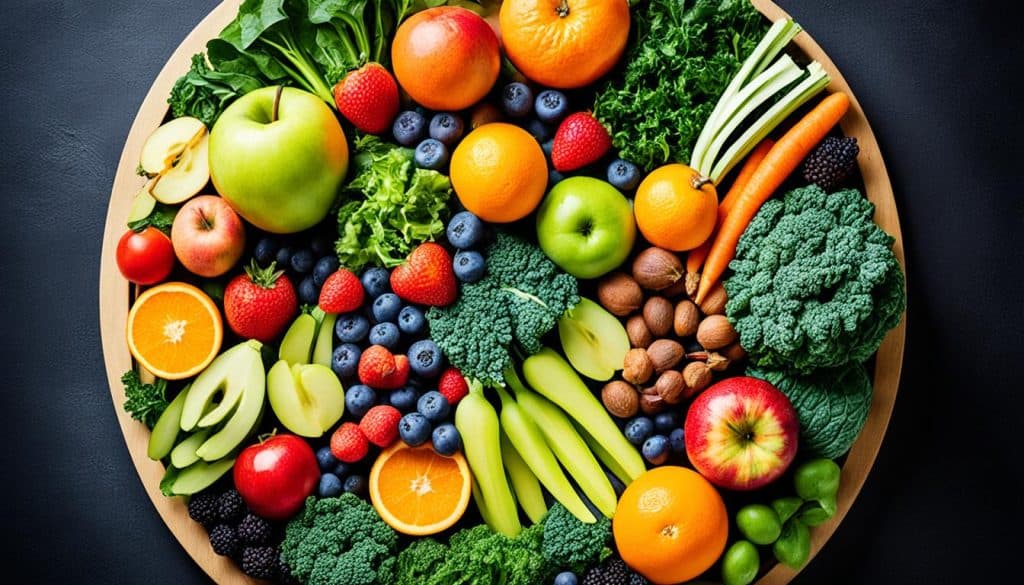
Did you know most Americans only eat about 16 grams of fiber each day? Yet, experts advise that women should get 25 grams and men need 38 grams. Not eating enough fiber can really affect our digestive health and how well we feel.
Fiber is a key nutrient found in plants that helps keep us healthy. It’s different from fats, proteins, or carbs because it goes through our digestive system almost untouched. There are two kinds: soluble and insoluble fiber. Soluble fiber turns into a gel in water, helping lower cholesterol and sugar levels. Insoluble fiber helps keep our digestion regular and makes our stools bulkier.
Eating foods like fruits, veggies, whole grains, beans, nuts, and seeds can boost your fiber intake. Doing this brings many benefits. It can lessen your chance of getting diabetes and heart disease, and help you maintain a healthy weight. Indeed, folks eating the most fiber are less likely to get heart disease. NIH-funded research also shows a big drop in diabetes risk with high fiber diets.
It’s worrisome that many people don’t eat enough fiber. By choosing more fiber-rich foods, we can better our digestive health and cut the risk of heart disease and some cancers. Starting to eat more fiber is the first step to better health.
Key Takeaways
- Most Americans consume only 16 grams of fiber per day, far below recommendations.
- Men should aim for 38 grams of fiber daily; women should aim for 25 grams.
- High-fiber diets are associated with reduced risks of diabetes and heart disease.
- Fiber-rich foods aid digestive health and contribute to maintaining a healthy weight.
- Increased dietary fiber intake can lead to lower calorie consumption and weight loss.
Understanding Dietary Fiber: Soluble vs. Insoluble
Dietary fiber comes from plant foods and includes parts our bodies can’t digest or absorb. It’s divided into two fiber types: soluble and insoluble. Both types have unique health benefits. Eating more high-fiber foods is key for a healthy diet.
Soluble Fiber
Soluble fiber turns into a gel when mixed with water. Oats, beans, peas, apples, and citrus fruits are rich in it. This type of fiber can lower bad LDL cholesterol, reducing heart disease risk. It also manages blood sugar levels, helping those with diabetes.
Studies by Kim et al. (2016) and Veronese et al. (2018) show that eating more fiber reduces deaths from heart disease and cancer.
Insoluble Fiber
Insoluble fiber helps our digestive system stay regular. It does not dissolve in water but boosts stool bulk. This is great for preventing constipation. Foods like whole-wheat flour, bran, nuts, and certain vegetables are good sources. Insoluble fiber also lowers the chance of getting hemorrhoids and supports bowel health.
Sources of Soluble and Insoluble Fiber
Eating a variety of foods is crucial for getting both fiber types. Some foods, like certain fruits, vegetables, grains, and legumes, have both soluble and insoluble fibers. They bring numerous health advantages.
- Fruits: Apples, citrus fruits, and carrots are packed with soluble fiber sources. They also have some insoluble fiber.
- Vegetables: Cauliflower, green beans, and potatoes are key for insoluble fiber benefits.
- Grains: Whole-wheat flour and barley have both fiber types.
- Legumes: Beans and peas are full of both kinds of fiber.
- Nuts and Seeds: These foods are mainly sources of insoluble fiber.
Including a mix of fiber-rich foods in your meals can boost health and wellness. Add fiber to your diet slowly to avoid stomach issues and get the best health outcomes.
Benefits of a High-Fiber Diet
A high-fiber diet brings many health perks for your well-being. Knowing these benefits helps us choose what we eat wisely.
Normalizes Bowel Movements
Dietary fiber is great for your digestive health. It makes stools bulkier and softer, which means they’re easier to pass. This helps prevent constipation.
Fiber also draws water into your GI tract, helping to avoid dehydration. Foods high in fiber are key for a healthy digestive system.
Helps Control Blood Sugar Levels
Dietary fiber is important for keeping blood sugar in check. Soluble fiber, especially, slows sugar absorption, which is vital for diabetics.
About 1 in 10 Americans have type 2 diabetes. A high-fiber diet can help manage or even prevent it, says a 2020 study. Eating more fiber supports better blood sugar levels and lowers diabetes risk.
Lowers Cholesterol Levels
Soluble fiber can reduce cholesterol by limiting fat absorption. This leads to healthier blood cholesterol levels.
A 2023 review notes that fiber-rich foods boost heart health. Since heart disease is a top killer in the U.S., eating enough fiber can cut cardiovascular disease risk and extend life.
Aids in Maintaining Healthy Weight
Eating foods high in fiber helps control weight. They fill you up more and usually have fewer calories.
People who eat more fiber are often slimmer. A 2019 study found that more dietary fiber leads to weight loss, regardless of the diet followed. Choosing a diet rich in fiber is a smart move for managing weight and staying healthy.
Fiber Diet: How Much Fiber Do You Need?
We all need to know the right amount of fiber for good health. The Institute of Medicine suggests that men under 50 should get 38 grams of fiber a day. Women of the same age should aim for 25 grams. People over 51 should get a bit less: 30 grams for men and 21 grams for women. But, most folks don’t get enough. They usually eat about 16 grams a day.
Research shows that Americans eat about 15 grams of fiber daily. That’s only half of what adults need. We need to know more about this and eat better.
Adding more fiber to our diet has lots of benefits. It can lower bad cholesterol, help control blood sugar, and cut the risk of diseases like heart disease and diabetes. These facts show how important it is to follow fiber recommendations.
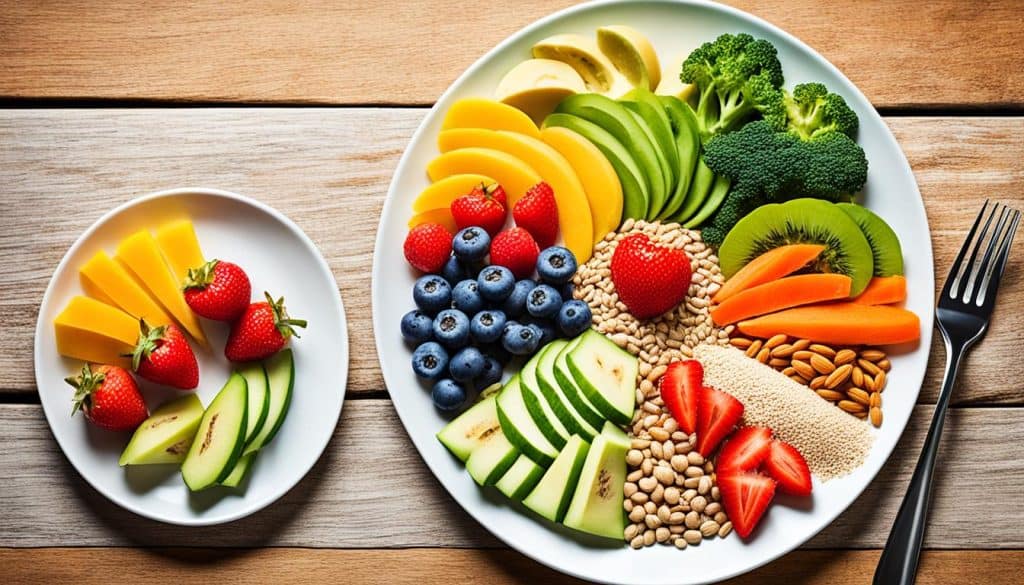
- The U.S. Department of Agriculture and U.S. Department of Health and Human Services Dietary Guidelines for Americans suggest different fiber amounts depending on age and gender.
- Adults between 19-50 years should get 25 grams (for women) and 38 grams (for men). Those over 51 need a bit less: 21 grams for women and 30 grams for men.
- Raising fiber intake slowly is important too, to avoid upset stomach or bloating.
It’s clear not many American adults eat enough fiber – only about 5%. To fix this, we can eat more foods that are rich in fiber. Lentils, oats, black beans, and chia seeds are great options. They offer a lot of fiber in each serving.
Knowing and following fiber recommendations can really make us healthier and happier.
Your Best Fiber Choices
To get enough fiber every day, you should eat different high-fiber foods. I’m going to share some of the best choices to add more fiber to your meals.
Fruits and Vegetables
Adding fruits and vegetables to your diet is an easy way to increase fiber. They have soluble fibers which are good for your blood sugar and cholesterol. For example:
- Pears: 5.5 grams per medium pear
- Strawberries: 3 grams per cup
- Avocados: 6.7 grams per cup
- Raspberries: 6.5 grams per cup
- Bananas: 3.1 grams per medium banana
- Carrots: 2.8 grams per cup
Most people in the U.S. get about 15 grams of fiber daily. This is only half of what is recommended. By eating these fruits, you can greatly increase your fiber intake. Also, high-fiber veggies like green peas and broccoli are great choices. They have 9 and 5 grams of fiber per cup, respectively.
Whole-Grain Products
Whole grains are key for fiber and other nutrients. They keep the bran, germ, and endosperm, unlike refined grains. This makes them full of dietary fiber. Look at these whole grain options:
- Whole-wheat spaghetti: 6 grams per cup
- Pearled barley: 6 grams per cup
- Bran flakes: 5.5 grams per 3/4 cup
- Oats: 10.1 grams per cup
Choosing whole grains over refined grains can help you reach the fiber you need each day.
Legumes, Nuts, and Seeds
Legumes, nuts, and seeds are full of fiber and important nutrients. For example, one cup of kidney beans covers about one-third of the fiber you need daily. Here are some top picks:
- Lentils: 13.1 grams per cup
- Kidney beans: 12.2 grams per cup
- Chickpeas: 12.5 grams per cup
- Split peas: 16 grams per cup
- Chia seeds: 10 grams per ounce
- Almonds: 4 grams per ounce
These foods don’t just help with fiber. They also provide protein, healthy fats, and other nutrients critical for a balanced diet.
The Role of Fiber in Digestion
Fiber is key for a healthy digestion. It boosts gut health and keeps things moving. Being smart about fiber means better health choices.
Fiber and Gut Health
Our gut is full of bacteria that love fiber. This food helps good bacteria grow. A healthy gut means better digestion and health overall.
Eating plenty of fiber keeps our system running well. It can stop problems like diverticular disease and hemorrhoids.
Preventing Constipation and Promoting Regularity
Fiber is vital for bowel health. Types like insoluble fiber, in whole grains, help move things along. This prevents constipation and keeps us regular.
So, eating fiber keeps the digestive tract happy. It fights off issues before they start. We must eat fiber-rich foods for a top-notch digestive system.
Fiber and Disease Prevention
Dietary fiber is key in keeping us healthy. It does more than help digestion. It’s good for our hearts, lowers cancer risks, and helps prevent diabetes and more.
Heart Disease
Eating more fiber can reduce heart disease risk. A 2014 study found it lowers the chance of dying from heart-related issues. Soluble fiber helps remove bad cholesterol, which is good for our heart’s health.
Colorectal Cancer
High-fiber diets can cut colorectal cancer risk. Fiber helps our digestive system stay healthy and lowers disease chances. Eating lots of whole grains, beans, and veggies is especially good for our colorectal health.
Type 2 Diabetes
Fiber is vital in managing diabetes. It slows sugar absorption, preventing blood sugar spikes. A 2015 study showed that more fiber means a lower risk of dying from diabetes-related issues.
Diverticular Disease
Fiber helps prevent diverticular disease, a common gut problem. A diet rich in fiber keeps our bowels working smoothly. This lowers pressure in the colon, reducing the risk of complications. Whole grains, fruits, and veggies are particularly helpful.
Incorporating More Fiber into Your Diet
Adding more fiber to your diet is key for staying healthy. For breakfast, why not try high-fiber cereals or whole grains? Think about oatmeal or bran flakes. Adding beans, lentils, and chickpeas to your meals is a great idea too. They really boost your fiber. And for snacks, go for fresh fruits. A small pear has about 5 grams of fiber. Or try raspberries, which have 8 grams per cup.
When increasing fiber, do it slowly. This way, your body can get used to it without problems like gas or bloating. Women should aim for 25 grams of fiber daily, and men for 38 grams. But most Americans only get about 16 grams a day. Try snacking on air-popped popcorn for an easy 4 grams per ounce. Chia seeds are another great option, giving you 10 grams per ounce. And don’t forget vegetables! Peas, carrots, and sweet potatoes can add 3 to 4 grams per serving.
Drinking enough water is super important when you eat more fiber. Fiber needs water to help your digestive system work right. Make sure to drink lots of water throughout the day. And mix up your fiber sources for the best meals. For example, eating a salad 20 minutes before your meal can up your veggie intake by 23%. By making small changes like these, you can enjoy a diet rich in fiber.