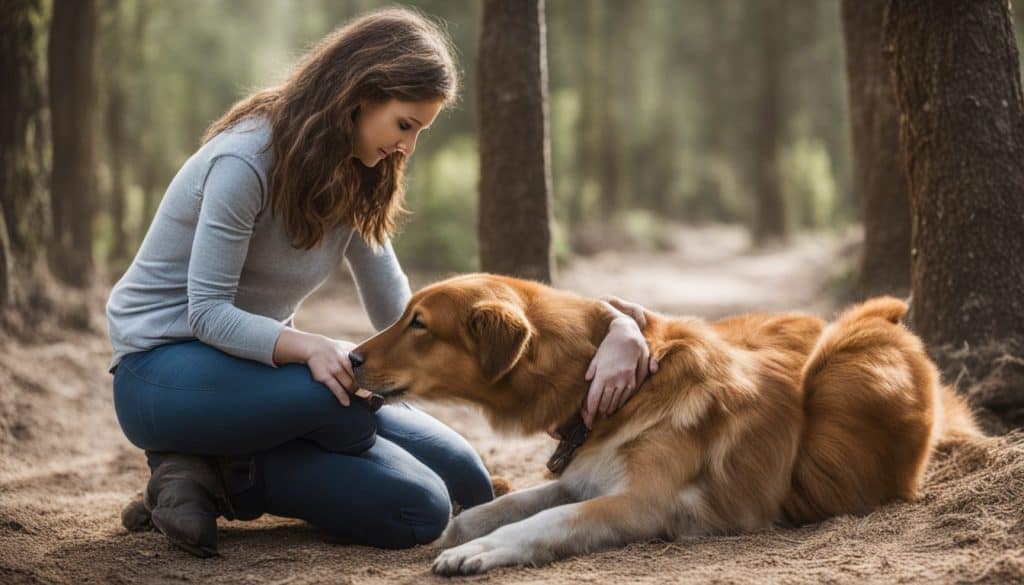
Did you know most injuries from animals come from human errors? These include not judging situations well or not knowing enough due to being new at this. It’s surprising but true. Injuries often happen because people don’t get how animals behave or what keeps them safe. This shows we need better ways to manage animals.
Animal welfare depends a lot on how we handle them. Knowing what different animals naturally do can help keep both animals and people safe. In places like farms, not knowing how to be safe can lead to unnecessary harm to everyone involved.
Staying safe around animals means more than just keeping away from the mean ones. It involves being alert, learning the right ways to act, and wearing safety gear. The ASPCA says scared animals should have 12-48 hours to get used to things before any procedures. This shows how important it is to notice when animals feel tense or scared.
Looking at animal management the right way is key. We must understand animals well, make smart choices, and follow proven safety steps. Doing this cuts down the chance of getting hurt. It also makes life better for the animals we look after.
Key Takeaways
- The majority of animal handling injuries are due to lack of experience or judgment.
- Understanding animal behaviors and instincts can prevent many safety incidents.
- Always use proper personal protective equipment when handling animals.
- Allow fearful animals time to acclimate to reduce their stress levels.
- Training and awareness are essential for safe and effective animal management.
Understanding Animal Behavior
To handle animals well, it’s key to know their behavioral patterns. Seeing if an animal acts on instinct or from learning is crucial. Their actions can come from built-in instincts or what they’ve picked up from their environment. This shows how complex animal psychology is.
Instinctive vs. Learned Behavior
Animals show behaviors that are instinctive or learned. Livestock, for example, naturally graze and flock. They don’t need to be taught these actions. On the other hand, learned behaviors come from their daily lives, like when to eat or be milked. Understanding this helps us interact better with them.
Flight Zones and Territorial Instincts
Livestock have ‘flight zones,’ or personal space bubbles. If you step into this space, they may flee. It shows their need for territory. The size of this space changes based on how tame the animal is and its stress. Cattle, horses, and mules, though broad-seeing, can get upset if their routine changes. Knowing about their space needs lets us avoid making them aggressive.
Recognizing Signs of Stress
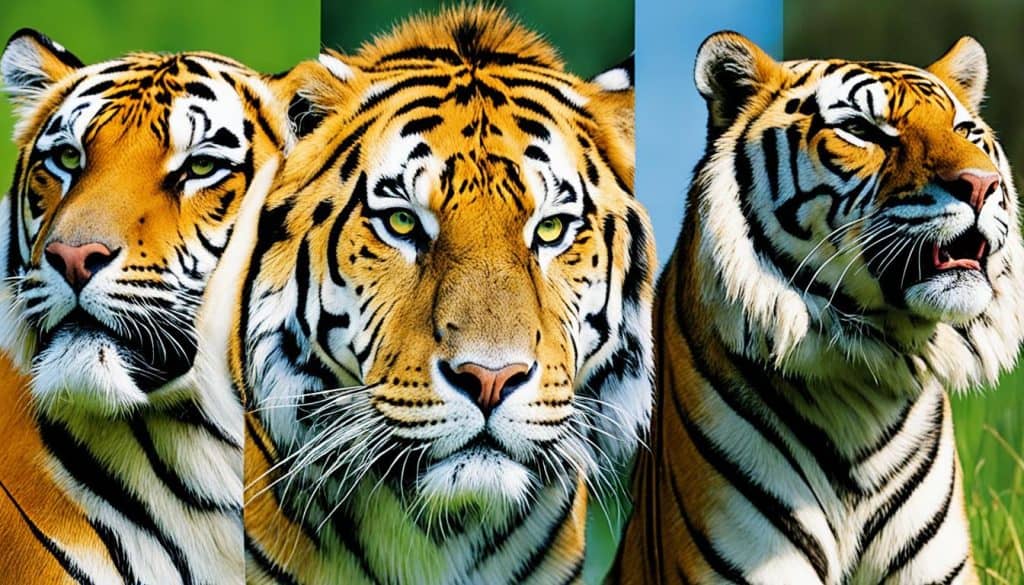
Noticing stress signals in animals is crucial for animal psychology. Livestock, especially those protective of their young, get stressed by changes. Look for signs like different postures, sounds, and unusual actions. Understanding and addressing stress helps in handling them more kindly and safely.
Essential Safety Precautions
Working with animals can be risky if you don’t take the right safety steps. It’s key to focus on health and safety. Wearing the right protective gear and making sure facility standards are up to mark are important. They reduce dangers for both the people working and the animals.
Personal Protective Equipment
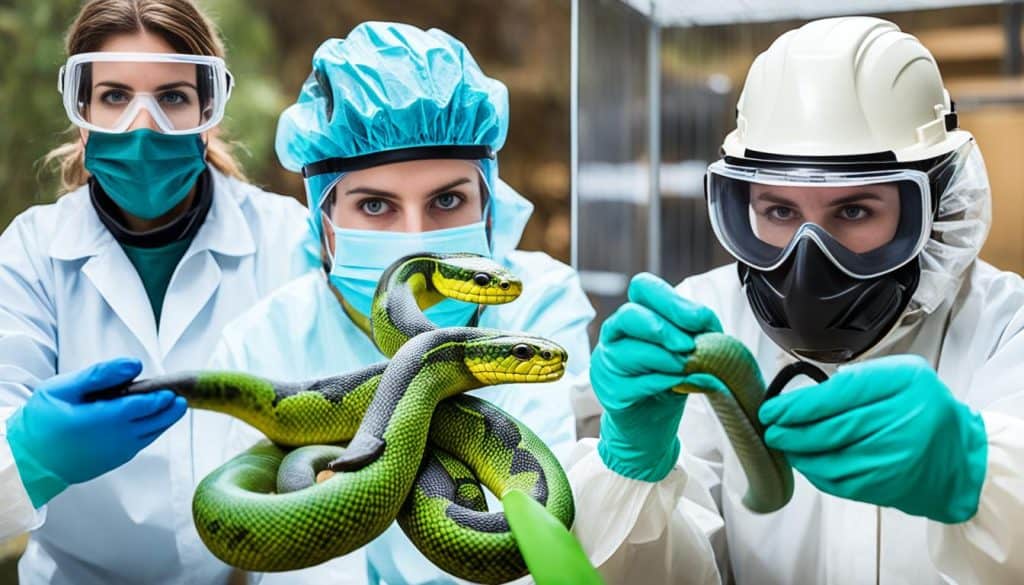
Using personal protective equipment (PPE) is a must when dealing with animals. Gloves, steel-toed boots, and helmets guard against many injuries. For example, injuries from animals stepping on feet, or kicking. Such gear also blocks diseases from animals, like Leptospirosis, Brucellosis, and Rabies.
Safe Facility Design
Good facility standards make handling animals safer. Planning for bright paths and strong pens helps animals move easily and calms them. Falls cause 18 percent of animal-related injuries. So, having non-slip floors and enough room, like a 30-inch space for cows, is crucial to avoid accidents.
Training and Awareness
Training and knowing what to watch for are very important. People working with animals need to pick up on their behavior signals. This helps to avoid danger. Learning about stress signs and how animals move helps too. Practical skills mixed with knowledge about health and safety protect everyone involved.
Animal Handling Tools and Equipment
Handling animals safely requires the right gear. The use of handling tools improves safety and work flow for both the handler and the animals. Here, we offer a detailed guide on essential tools for safe animal handling.
Leashes and Slip Leads
Leashes and slip leads are simple but key for dog control. They are easy to use and work well in many settings, giving a dependable way to manage dogs. Companies like ACES and KETCH-ALL provide various options, including cat harnesses, for different animal types. These items are affordable, ranging from $14.50 to $179.95, and reliable for both handler and animal safety.
Towels, Nets, and Control Poles
Towels are versatile, used for comfort or to control dogs’ heads when a muzzle won’t work. Nets and poles from TOMAHAWK are crucial for handling aggressive or scared animals. With 44% of these tools being extendable, they offer flexibility. But they must be used carefully to avoid hurting the animal. Around 62.5% of vets say using this restraint equipment reduces stress in animals.
Use of Muzzles and Sedatives
Muzzles are vital for safety, preventing bites effectively. 80% of vet staff feel safer when using them, especially with difficult cases. Sedatives can help with highly stressed or aggressive animals. It’s crucial to be properly trained in using sedatives to ensure they are safe and effective. This approach lowers stress and makes handling easier.
In summary, using the right handling tools makes animal care safer and less stressful. By adopting these tools, handlers can turn tough situations into manageable ones.
Animal Handling: Techniques and Best Practices
Effective animal handling uses minimal physical force and confident communication. The aim is to control without stressing the animal. Handling animals the right way keeps both the handler and the animal safe. The basic rules of stockmanship include “The animal wants to see you” and “The animal wants to go around you”. They also include “The animal wants to be with others”, and “The animal focuses on one thing at a time”. These rules are key to good animal handling.
The Importance of Calm Communication
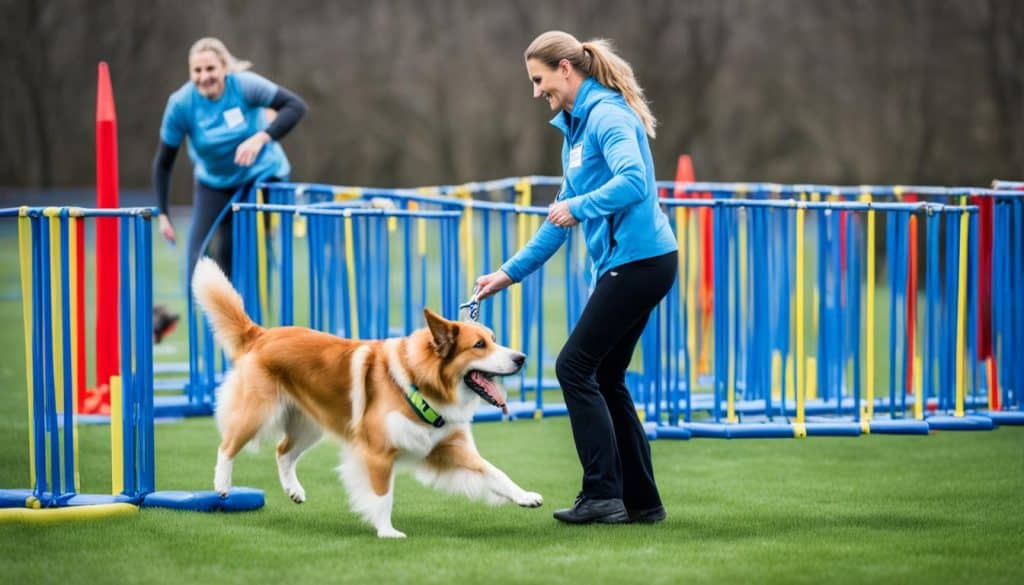
Staying calm is key when handling animals. Sudden moves or loud sounds can stress them out and make them act out. For example, calm cows are easier to handle, improving safety and reducing stress. Using soothing talk and avoiding staring helps make the process smoother. This way, handling cattle gently improves productivity and profits, like boosting milk output.
Effective Use of Physical Restraint
Physical restraint must be used carefully and correctly. Different animals need different restraint techniques. For example, don’t lift mice by their tails because it scares them a lot. Instead, lift them by their shoulders. Rabbits should be supported from below to avoid hurt, without grabbing their skin.
It’s important to understand an animal’s need for personal space, like a cow’s pressure zone. Moving cows calmly and at a normal pace, using restraint correctly, lowers the risk of accidents and unpredictable actions.
Summing up, combining calm communication with the right restraint methods is essential in animal handling. This approach ensures the safety of the handlers and the animals’ well-being.
Ensuring Animal Welfare and Management
Animal welfare is key in properly handling animals. It’s vital to lower stress and watch their behavior closely. Here, I’ll talk about ways to ease stress, why watching behavior matters, and how to meet each animal’s needs.
Minimizing Stress During Handling
Keeping animals calm during handling is important. Using gentle voices and slowly introducing new places helps. The 8th edition of the Guide for the Care and Use of Laboratory Animals highlights the need to limit pain and fear. Training people to spot and ease stress helps animals stay well.
Monitoring Animal Behavior Continously
It’s vital to watch animals’ behavior all the time. This helps catch stress signs early. By adjusting how animals are handled on time, we keep them happy and healthy. Rules from the USDA and the Public Health Service stress regular checks to maintain good welfare.
Adapting to Individual Animal Needs
Each animal is unique and needs special care. For animals with certain needs, it’s important to have special care plans. This way, every animal gets the right care, making them healthier. Working together ensures all animals are well cared for, making the care program work better.
Common Mistakes to Avoid
Handling animals needs both skill and an understanding of their behavior. One mistake is provoking an animal’s flight response by entering its personal space. For instance, cattle react strongly to changes in light because they don’t see well.
Using the wrong amount of force is another error. Cramming too many animals into a pen is bad; half full is enough. This prevents harm and stress. Forcing cattle to stay in pens too long can also cause problems. It’s better to mix restraint with care to keep stress low.
Not wearing protective gear is a big mistake. This gear keeps both the handler and animals safe. To avoid mistakes, teams need good training. Well-prepared staff can reduce accidents caused by poor handling.
Also, loud sounds scare animals. Electric prods should only be a last resort. Handling animals gently is key to avoiding injury.
Finally, cutting down on distractions helps animals stay calm. Keeping stress low is critical for their health. A peaceful setting is important.
Conclusion: The Path to Mastery in Animal Handling
Becoming a master in animal handling is a journey. It combines knowledge, skills, and care for animals. In this article, we looked at the key parts needed to get better in this area. This includes knowing how animals behave and keeping everyone safe.
Research shows that how we handle animals really matters. For example, force-feeding stress out rats (Brown AP et al., 2000). Also, injections can harm Syrian hamsters (Gaertner DJ et al., 1987). This tells us we need to keep learning and improving our methods to keep animals safe and healthy.
Learning how to handle animals never stops. It means always getting better based on new findings and what we experience. Ethologists have a big part in making things better. They know a lot about animal behavior and science. By always trying to do better and caring deeply, handlers can ensure animals get the best care.
To wrap up, becoming great at handling animals is an ongoing effort. It’s good for the animals and helps make research and daily care better. By using science, staying informed, and communicating well, handlers can reach new heights. They can really make a difference in the lives of animals and in science.