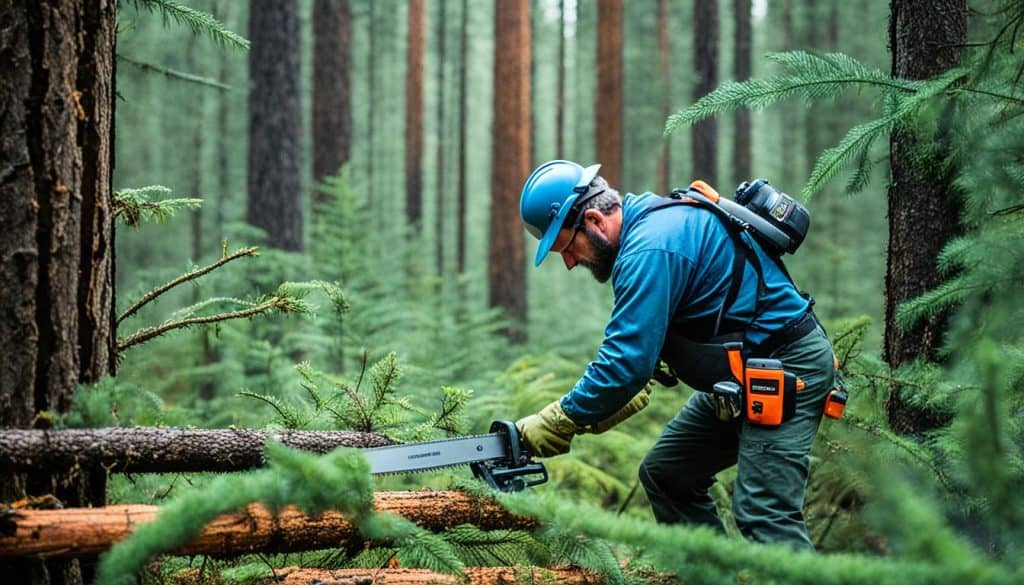
Did you know that over-harvesting has led to the depletion of popular favorites like Wild Ramps and Fiddleheads? To ensure sustainability, it’s recommended to harvest less than 5% of a species. Yet, many people don’t follow this rule.
Important medicinal plants like Ginseng and Goldenseal are getting hard to find in eastern forests. Over-harvesting has also put plants like Trillium and Lady Slipper Orchid on endangered lists. For example, Trillium takes more than seven years to mature and bloom, making it very sensitive to over-harvesting.
To solve these problems, it’s crucial to practice sustainable harvesting. This means using eco-friendly resources, supporting conservation efforts, and applying sustainable forestry methods. By following these principles, we keep our forests healthy for the future. This way, future generations can enjoy these valuable resources too.
Key Takeaways
- Over-harvesting can lead to the depletion of essential plant species
- Harvest less than 5% of a plant population to maintain sustainability
- Species like Trillium and Lady Slipper Orchid are highly vulnerable due to long maturation cycles and low germination rates
- Many crucial medicinal plants are at risk of disappearing from their natural habitats
- Sustainable forestry aims to balance immediate resource demands with long-term ecosystem health
Understanding Sustainable Harvesting
Sustainable harvesting ensures we meet today’s needs without harming future generations’ chances. It focuses on keeping forest ecosystems healthy and producing sustainable wood. This balance is crucial for both the environment and the economy.
Definition and Importance
Sustainable harvesting involves techniques that allow wood supply to continue without harming future supplies. It helps maintain natural functions like carbon storage. These are vital for forest ecosystems‘ health and longevity.
UC Davis says sustainability means meeting our needs without stopping future generations from meeting theirs. Like sustainable harvesting, it focuses on environmental health, economic profitability, and social fairness.
Ecological vs. Economic Sustainability
Ecological sustainability keeps natural functions and forest ecosystems stable. It’s closely linked to economic sustainability. Having a steady flow of sustainable wood helps the economy and encourages responsible forest management.
In Maine, measures like selective harvesting were implemented. They respond to ecological issues from harsh winters. These decisions are good for both the environment and local communities.
The SUSTAIN project shows how harvest and climate change together are big challenges. It brings together policy makers, the forestry industry, and others. They aim to develop sustainable management strategies in our changing world.
Basic Techniques in Sustainable Harvesting
Sustainable forestry is key to keeping forests alive and well. In this discussion, we explore three main methods—Selective Cutting, Thinning, and Natural Disturbance Emulation. They help manage habitats and keep ecosystems balanced.
Selective Cutting
Selective cutting picks certain trees to harvest based on their health and pest risks. This method lets us take trees without harming the ecosystem. For instance, in Washington, for every tree cut, three seedlings are planted. This shows a strong dedication to reforestation.
Thinning and its Benefits
Thinning removes some trees to let others grow better by reducing competition for resources. It boosts forest growth and keeps forests healthy. A study in Pennsylvania showed thinning in a 75-year-old forest increased revenue significantly, proving it’s a smart economic choice.

Natural Disturbance Emulation
This method copies natural events like fires and storms to keep forests diverse and balanced. It helps forests recover in a natural way, making them stronger against future disturbances. In Washington, choosing the right tree species for planting improves forest resilience.
By applying Selective Cutting, Thinning, and Natural Disturbation Emulation, we protect and maintain our forests. These techniques ensure our forests thrive now and for future generations.
Timing and Preservation of Resources
The timing of when we collect resources is very important. It helps us keep forests healthy and use them wisely. Knowing when trees grow and how they change helps us pick the right time to harvest. This way, forests stay alive and keep helping the environment and people. Planning ahead, especially with the seasons in mind, is crucial.

Seasonal Considerations
When we cut down trees matters a lot for keeping forests healthy. Things like weather, rain, and local animal and plant life cycles affect this. In places like Rhode Island, understanding the weather helps forests grow back properly. By choosing the best time to harvest, we help the forest recover faster and better.
Long-Term Forest Health and Productivity
Keeping forests healthy for a long time needs knowledge and careful management. It’s important to match our actions with how forests naturally grow and change. Using smart cutting methods and protecting different plants and animals helps forests stay strong. By doing this, we make sure forests can keep growing and be there for future generations. Sustainable forest management makes forests tough and able to handle changes, providing resources we need.
Sustainable Harvesting Initiatives and Programs
Sustainable harvesting is getting lots of attention. Many initiatives and programs aim to protect forests and follow rules. These efforts offer detailed guidelines for keeping ecosystems healthy and supporting community needs.
Best Management Practices (BMPs)
Best Management Practices (BMPs) set key guidelines for keeping forests healthy. They address water and soil protection, fiber use, and stopping invasive species. BMPs help forestry keep in line with strict rules, putting forest conservation first.
Rhode Island’s Tree Farm Program
Rhode Island’s Tree Farm Program stands out in this field. It helps landowners manage forests with care, offering resources and support. Through regular checks, it ensures forests are healthy and meet environmental standards. The program focuses on strict rule following to protect nature.
Compliance with Forest Regulations
Following rules is key to sustainable harvesting. In Rhode Island, foresters must get an “Intent to Cut” permit from the RI Department of Environmental Management (DEM). This makes sure they plan well and share their plans. Such compliance safeguards wildlife and promotes responsible forestry.
Collaborating with Forestry Professionals
Working with forestry experts is key to sustainable harvesting. They help landowners look at things like regeneration, market needs, and forestry techniques. This teamwork makes sure forests stay healthy and valuable long after the trees are cut.
Forestry experts help pick the right trees for each area. They consider things like the land, tools, and other key factors. Their knowledge ensures forests can recover well, stay productive, and resilient.
The first steps toward these methods started in Oregon in 1971 with the Forest Practices Act. It showed how important expert advice is for using and saving forests.
Collaboration in forestry also boosts the economy. It creates jobs, raises incomes, and strengthens trade. In places like Waukesha County, Wisconsin, it even supports sustainable urban wood industries.
Efforts like the Sustainable Forestry Initiative (SFI) Community Grant Program help too. They push for better forestry practices all over the U.S. These projects make sure forestry keeps improving in a sustainable way.