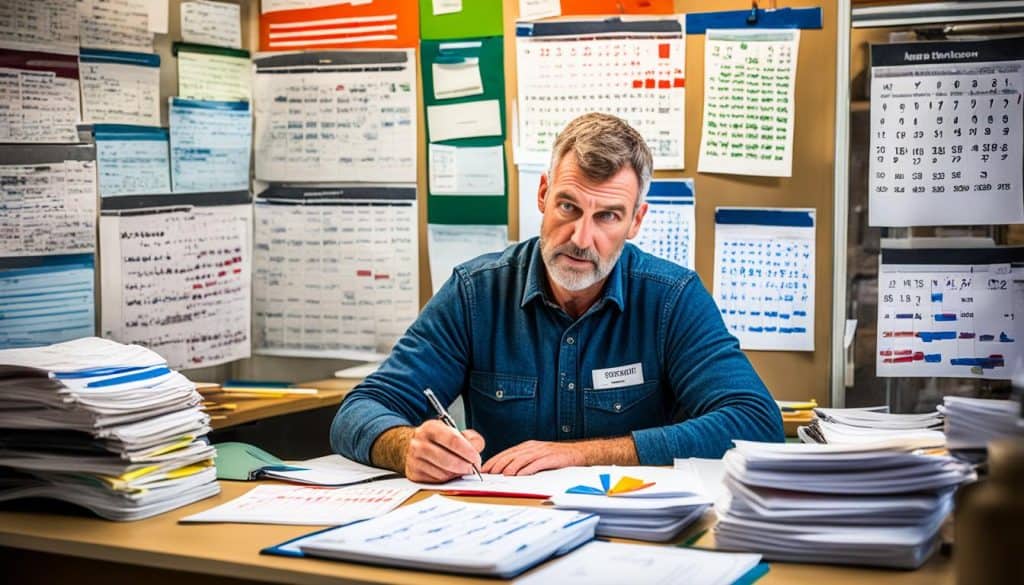
Did you know 90% of farmers think keeping records helps manage their farms better? In livestock management, tracking animals is key for a farm’s success. It’s like keeping a report card for each animal, showing how they affect the farm’s productivity and health.
Livestock management now needs good record-keeping to make decisions, compare how the farm is doing, and keep it profitable. By keeping track of animals and money matters, farmers can use their data well. This helps the farm do well. When you know how much milk your cows are giving or the birth weight of calves, you understand your farm’s overall health.
Good record keeping means farmers can make smart choices about how to feed animals, take care of their health, and plan breeding. It’s about more than just watching over things. It’s about improving how the farm operates in every way.
Key Takeaways
- 90% of farmers believe accurate record keeping improves farm management.
- Comprehensive livestock records include animal identification, performance, and financial details.
- Effective record keeping supports decision-making, monitoring, and comparing farm operations.
- Detailed records aid in forming breeding plans, health management, and feeding strategies.
- Record keeping transforms raw data into actionable insights, boosting farm productivity and profitability.
Introduction to Livestock Record Keeping
Livestock record keeping is key for good farm management. It helps make operations better and increase farm productivity.
Why Livestock Records Are Important
Keeping precise breeding records helps farms be more productive. By choosing the right animals for breeding, farms can work better. Collecting data wisely helps in managing labor, planning for feed, and handling diseases well. Knowing your financials through accurate records can also make your farm more profitable. It helps you deal well in business and get loans easier.
Production records are crucial for knowing how well your animals are doing. This information is key to making your farm’s economy better.
Benefits for Farmers
Farmers gain a lot from good record keeping. For one, knowing what you feed your animals can help you make better feeding decisions. Keeping track of diseases and treatments can help keep your animals healthy. It ensures you’re following safety rules for milk, eggs, and meat.
With tools like tattooing, branding, and tags, farmers can keep an eye on each animal easily. Tools like Herdly and Cattlemax make it simple to monitor important farm events. These tools help with recording calving, weaning, breeding, and more. They make it easy to see how your whole herd is doing.
Combining paper-based methods like notebooks with digital ones like Excel boosts efficiency. It makes managing your farm’s data much simpler.
Types of Farm Records
Effective farm management needs good records. These records are key for many reasons. They track animal growth and help understand farm finances. Here, we’ll look at important farm records every farmer needs.
Production Records
Production records show how well your farm’s animals and crops are doing. They usually include details such as:
- Identification
- Weights
- Date of birth
- Pregnancy and calving rates
- Death loss rate
- Average weaning weight
- Average daily gain
- Crop yields
- Seed and fertilizer inputs
- Pesticide applications
- Irrigation records
- Planting and harvest dates
Keep all this info in a structured livestock register. It makes tracking animal progress easier.
Financial Records
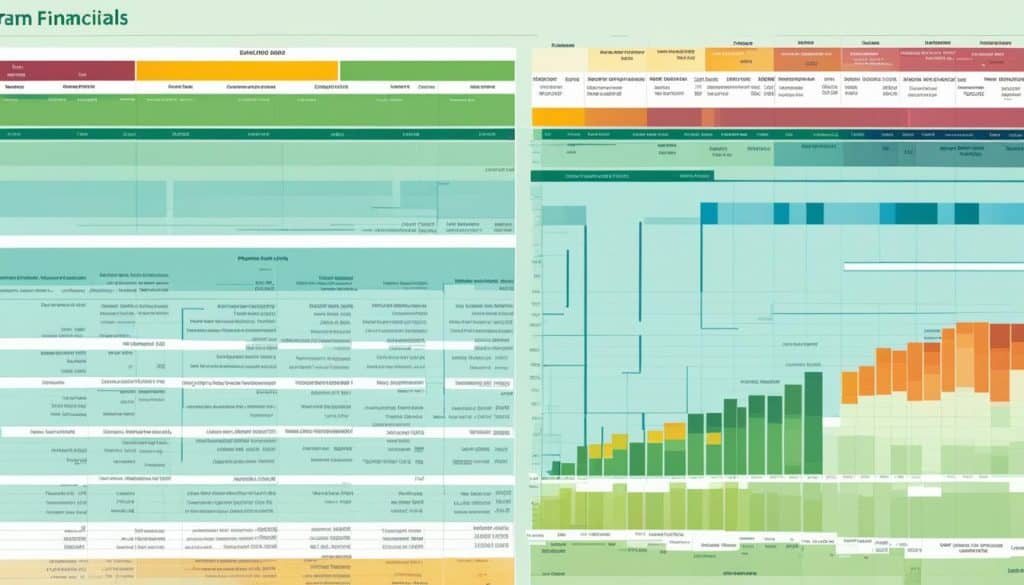
It’s vital to keep accurate farm financials. You need to record things like:
- Income and expense receipts
- Invoices
- Checks
- Bank statements
- Payments and cash book
These documents are essential for financial statements and reports. Making the process simpler is key to ensuring accuracy and ease.
Health and Treatment Records
Maintaining good herd health is vital. You should document:
- Veterinary visits
- Vaccinations
- Illnesses and treatments
- Medications administered
These records are crucial for understanding herd health trends. They help in planning future care.
Tracking Animal Performance
Keeping an eye on animal performance is key in today’s livestock management. It’s done by keeping close records on livestock, which helps analyze productivity. This allows for better decisions on breeding, nutrition, and health.
The Animal Performance Plus plan costs $25 a month or $250 a year. It offers tools for better tracking and analysis of animals. You can manage groups, set weight goals, and sort animals for easier management.
With custom filters, tracking weights and gains by each animal’s ID is simpler. This detailed approach helps in better managing your livestock.
Good records bring big benefits. They give you valuable info on milk production, growth, reproduction, and more. Using the Animal Performance Plus plan keeps your productivity analysis up-to-date.
- Weight targets and tracking
- Comparative analysis between mobs
- Individual animal identification and performance record
“Technology drives the growth of the livestock industry, with increased adoption of precision farming and livestock tracking software.”
Efficient data management is vital for effective livestock management. Livestock performance software supports health checks, breeding, feeding, and meets data standards. This tech greatly enhances decision-making, leading to a productive farm.
For tips on monitoring animal performance or details on the Animal Performance Plus plan, call us at 1800 531 5908.
Enhancing Farm Management Through Data
In today’s farms, using data to make decisions is key. Farmers increase their output and work smarter by tracking their farm’s activities closely.
Decision Making
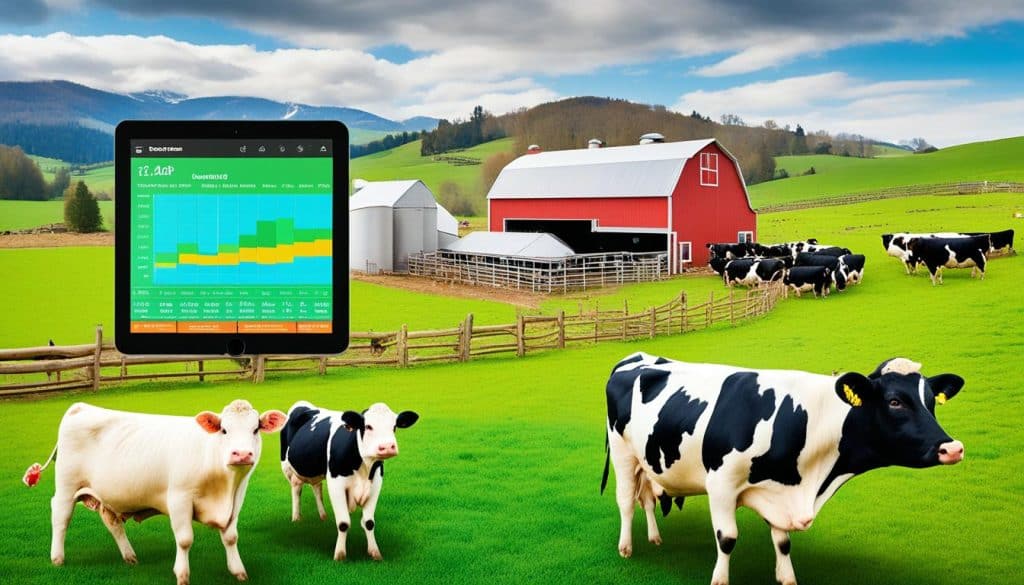
Choosing based on data changes how farms operate. Tools like PLF help farmers get the most from their animals using tech. Platforms such as CattlePro give insights with color-coded pedigree trees to boost animal health and cut down on waste, making farms more eco-friendly. Livestocked takes data analysis further, increasing both productivity and profits for farmers.
Monitoring and Reporting
Keeping an eye on farm activities and livestock is essential. Solutions like CattleMax alert farmers to their cattle’s movements and health, making management easier. NAVFARM, on the other hand, helps with smooth payments and meets industry rules by providing timely farm reports. This constant oversight helps farmers set goals and keep improving.
To wrap it up, data is a big deal in farming today. By adopting technologies for better data use, farmers stay competitive. This mix of tools ensures farms run more smoothly and are more productive.
Tools and Methods for Record Keeping
There are many ways to keep records in livestock management. From old-school paper notebooks to modern digital tools. Good record-keeping tools are key for keeping accurate records. They help with analyzing data and boosting farm operations. Let’s dive into these methods more closely.
Manual Notebooks and Spreadsheets
For a long time, farmers have relied on manual notebooks and spreadsheets. They don’t cost much and are easy to use, especially for small or medium farms. The NCBA Redbook and Flock Record Book help track important things. Like health treatments and farm spending. A well-kept notebook helps keep an eye on animal health and feeding habits. This makes sure all animals get the right food.
Over 80% of novice farmers think memory alone is enough. Yet, they miss important stuff without diligent record keeping.
Even so, manual methods aren’t perfect. They can lead to mistakes. Also, writing things down by hand takes a lot of time.
Digital Apps and Software
Nowadays, tech has brought new farm record-keeping methods. Herd management solutions and apps make things easier. Tools like Farmbrite have everything to manage herds and pastures. They automate tasks and simplify entering data. This helps in making better decisions. CHAPS is great for managing beef production. It offers insights from birth to market.
Digital methods also keep better track of finances. This is important for grants or loans. Organized digital records cut down on time for things like payroll. Using modern record-keeping tools boosts efficiency and helps follow farm rules and certifications.
To sum up, it doesn’t matter if you prefer paper or tech. Choosing the right tools for record keeping is vital. It helps in managing animals well and leads to a successful farm.
Case Studies: Successful Farm Management via Record Keeping
Analyzing stories of farm success shows the power of good record-keeping. For example, Dave Walton, a hardworking Iowa farmer, highlights record-keeping’s crucial role in farming decisions. By using software to combine agronomic and financial data, he precisely costed every farm activity. This led to better management efficiency.
Walton found big savings through practices like less tilling and using cover crops. His records also helped create a better plan for using nitrogen. This led Dave to switch to no-till farming, which gave him better crops and was more sustainable.
Pat Swanson, another farm leader, praises using GPS and records together. This combo helps make very accurate farming decisions and examine the farm’s business side, cutting costs and encouraging conservation. Swason also notes that good records let farmers quickly take advantage of government programs like Market Facilitation and Coronavirus Food Assistance.
Wayne Fredericks, an Iowa livestock farmer, saved money on crop insurance by improving his risk policy with better records. His detailed records support smart decision-making. This includes starting to use strip-till and no-till farming.
“Good record-keeping is key for farming well. It helps create better breeding plans, set auction prices, and follow strict rules. This improves how the farm is managed, its production, and its profits,” says Jim Knuth, a senior VP at Farm Credit Services of America.
The shift in farm success tales becomes clear with digital tools. Cattlytics, a cattle management software, offers a full view on managing livestock. It has features for tracking production, showing important data on dashboards, and collecting data offline. All these ensure the software is easy to use and offers valuable insights, leading to better work on the farm.
While many smaller cattle businesses still do things by hand, these stories show a new way. Moving to digital tools makes work smoother, keeps data correct, and offers key insights. This makes managing everything much more efficient.

Challenges in Livestock Record Keeping
Keeping records for livestock is key to a farm’s success. Yet, it’s tough due to how time-consuming it is. Small tasks add up, making it hard to stay on top of everything.
Time-Consuming Nature
Farmers have to keep track of many details like animal sales and health records. This takes a lot of time. A Greener World says this is crucial for meeting high animal welfare standards. It helps farms do better.
Also, farmers must make sure records are always correct. This can take away from other important farm tasks. Keeping accurate records is necessary for managing farm operations well.
Overcoming Barriers
Even with these challenges, there are ways to make things easier. Digital tools can help manage records faster. This lets farmers focus more on improving their farm.
Getting extra help or learning how to use new tools can also make a difference. Being smart about managing records can lead to better farm results. For example, keeping close tabs on animal health can prevent losses.
Using digital records can save time and make farms run better. By tackling these challenges, farmers can see real benefits from good record-keeping.
Future Trends in Livestock Record Keeping
The livestock industry is changing fast, thanks to new tech and ways to keep records. These changes will make farms more efficient, productive, and green. Using artificial intelligence (AI), the Internet of Things (IoT), and other modern tools will change how farmers track and manage animals.
AI-powered software is now making record keeping better. It helps choose the right breeds, feeding times, and checks health. For example, certain software increases milk production by 15% with accurate feeding and health schedules. Also, beef cattle systems cut feed waste by 20%, saving money. AI also helps improve animal genetics for better milk and egg production.
Using IoT devices like GPS trackers to watch animals is getting popular. These tools help farmers keep an eye on animal location and health from afar. This means they can act fast when needed, making farms run better. Now, even small-scale farmers can use these tech tools to boost their work and make more money. Yet, farmers face issues like losing 15% income from market changes or dealing with 30% more work from regulations. Still, record keeping in farming is moving towards being more advanced and detailed.
Looking forward, mixing these agri-tech trends with better record keeping will change how farms operate. Farmers adopting these innovations will run their farms better. They’ll also farm in ways that are good for the planet and profitable. The livestock field is set to grow a lot, thanks to these new technologies. This is a thrilling time for agriculture.