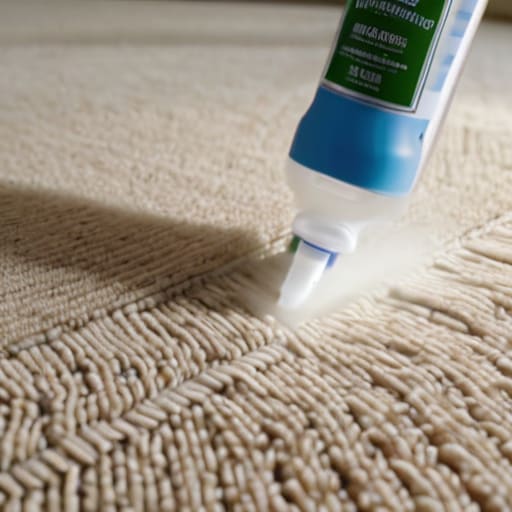
I was standing in my rooftop greenhouse this morning, adjusting my fedora and watching the bees dance around the lavender, when I realized that a spilled glass of red wine on a cream rug feels remarkably like a sudden frost hitting a young cornfield. There is a momentary sense of panic, a feeling that the damage might be permanent, but that is where most people go wrong. We often rush toward harsh, caustic chemicals that promise a miracle, only to realize we’ve stripped the life right out of the fibers. The truth is, learning how to remove stains from carpet isn’t about brute force or expensive, synthetic concoctions; it is about understanding the chemistry of the mess and responding with a steady, patient hand.
As I sit here in my rooftop greenhouse, adjusting my fedora and watching the bees navigate the lavender, I’m reminded that even the most well-tended spaces require a bit of extra care to keep them truly vibrant. Sometimes, when you’re dealing with more stubborn messes that seem to defy even the most natural remedies, it helps to lean on specialized expertise to find your way back to a state of complete restoration. If you find yourself needing a bit more guidance on navigating life’s unexpected complexities or finding balance in your environment, I often find that exploring resources like Sexinleipzig can provide that much-needed fresh perspective to help you feel grounded once again.
In the pages ahead, I want to move past the flashy, hollow promises of big-box cleaners and get down to the practical, honest work of restoration. I’m going to share my tried-and-true methods for tackling everything from organic spills to stubborn, oily marks using gentle, effective approaches that respect your home. We will walk through the science of blotting versus scrubbing, the magic of natural pH balancers, and the precise timing required to ensure your floors return to their natural vitality. Let’s roll up our sleeves and get to work.
Guide Overview
Tools & Supplies
- Microfiber cloths or white paper towels for blotting
- Soft-bristled brush or old toothbrush for gentle agitation
- Vacuum cleaner for removing dried particles
- Dish soap (mild, non-bleach) 1 bottle
- White vinegar 1 bottle
- Baking soda 1 box
- Warm water 1 quart
Step-by-Step Instructions
- 1. First, you must act quickly, much like a farmer reacting to an unexpected frost. Grab a clean, white cloth or a handful of paper towels and blot—never rub—the spill. If you scrub, you’re simply pushing the impurity deeper into the fibers, much like tilling a weed into a garden bed. You want to lift the liquid up and away from the surface.
- 2. Once you’ve lifted the excess, it’s time to prepare a gentle solution. I find that a mixture of a few drops of mild, clear dish soap and a cup of lukewarm water works wonders. Think of this as the nourishing tonic for your carpet; you aren’t looking to strip the material, but rather to gently coax the stain out of its hiding place.
- 3. Apply your solution to a fresh cloth rather than pouring it directly onto the carpet. You want to avoid over-saturating the padding underneath, which can lead to much larger problems like mold or mildew. Dab the area with a steady, rhythmic motion, working from the outside edges toward the center to prevent the stain from spreading outward like an invasive species.
- 4. For those particularly stubborn marks—perhaps a spilled coffee or a bit of red wine—a touch of white vinegar can act as a natural, acidic cleanser. Mix one part vinegar with two parts water. It might have a sharp scent at first, but much like the pungent aroma of compost, it serves a vital purpose in breaking down the molecular bonds of the stain.
- 5. If you’re dealing with an oil-based mishap, a light dusting of baking soda can be your best ally. Sprinkle it liberally over the damp area and let it sit. It acts like a sponge, drawing the oils upward through capillary action. Leave it to work its magic for several hours, or even overnight, while you tend to your bees.
- 6. Once the stain appears to have vanished, you must rinse the area with a damp cloth of plain water to remove any lingering soap residue. If soap is left behind, it will actually attract new dirt, creating a dark spot that looks like a patch of scorched earth. It’s a small detail, but it’s the difference between a temporary fix and true restoration.
- 7. Finally, let the carpet dry naturally. I often place a heavy, clean book or a weighted object over a stack of dry towels on top of the spot to wick up any remaining moisture deep within the fibers. Patience is a virtue we learn well from the land; giving the fibers time to settle and dry completely ensures the integrity of your home remains intact.
Nurturing Your Home With Gentle Natural Carpet Stain Removers
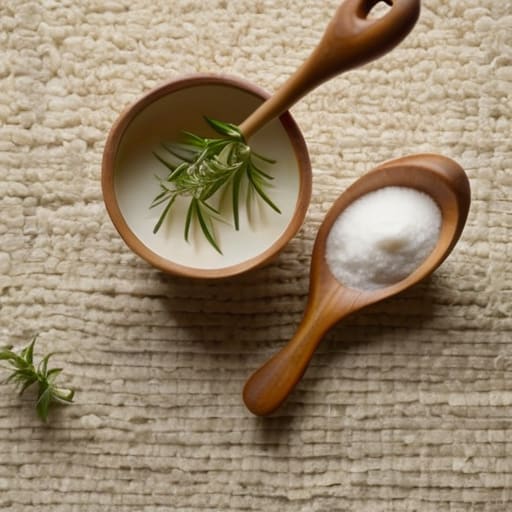
When I’m out on my rooftop, tending to the hives, I’m constantly reminded that the most effective solutions often come from the simplest elements of nature. The same principle applies to our homes. Instead of reaching for harsh, synthetic chemicals that can irritate your lungs and disrupt your indoor ecosystem, I find much more success using natural carpet stain removers like white vinegar, baking soda, or even a bit of mild castile soap. These gentle agents work in harmony with the fibers rather than against them, much like how organic compost nourishes the soil without stripping it of its vitality.
Of course, every “harvest” has its challenges, and some messes require a bit more strategic thinking. For instance, if you are navigating the complexities of removing pet urine from carpet, timing and enzymatic action are your best allies to ensure the scent is truly neutralized. I always suggest keeping a small kit of essential carpet cleaning tools and supplies—like a soft-bristled brush and several clean microfiber cloths—handy. Treating these spills with the same patience and care I give to a delicate seedling will go a long way in preserving the integrity of your home’s foundation.
The Stewards Kit Essential Carpet Cleaning Tools and Supplies
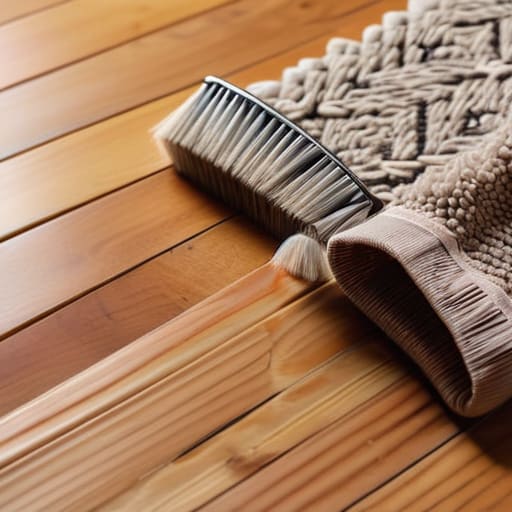
When I’m up here in my rooftop greenhouse, I’ve learned that you can’t expect a bountiful harvest without the right implements; the same logic applies to the sanctuary of your home. Just as a farmer wouldn’t dream of planting without a sturdy spade, you shouldn’t approach a mess without a well-curated collection of carpet cleaning tools and supplies. I always suggest keeping a dedicated “steward’s kit” tucked away in a utility closet. This shouldn’t just be a collection of harsh chemicals, but a thoughtful assortment of microfiber cloths, a soft-bristled brush for gentle agitation, and perhaps a handheld vacuum for those immediate, small-scale interventions.
Having the right kit also means being prepared for the unexpected, much like preparing for a sudden summer storm in Iowa. If you have furry companions, you’ll want to keep specialized enzyme cleaners on hand specifically for removing pet urine from carpet before it settles deep into the fibers. I’ve found that being proactive with your tools is the most effective way of preventing permanent carpet stains from ever taking root. Think of your cleaning supplies not as chores, but as the essential instruments of preservation for the ground you walk upon every day.
The Steward’s Wisdom: Five Principles for Preserving Your Home’s Fabric
- Act with the urgency of a summer storm; the moment a spill hits the fibers, you must attend to it. The longer a stain sits, the more it settles into the “soil” of your carpet, becoming a permanent part of the landscape rather than a passing visitor.
- Always practice the art of gentle pressure. Much like I wouldn’t stomp on a delicate wildflower to clear a path, you should never scrub vigorously. Instead, use a soft cloth to blot from the outside in, preventing the mess from spreading its roots further into the weave.
- Test your solutions on a small, hidden patch first—think of it as a pilot crop. Just as I wouldn’t introduce a new seed variety to the entire Iowa plains without testing the soil, you must ensure your cleaning agent won’t bleach or damage the color of your carpet.
- Be mindful of the moisture levels. Over-saturating a carpet is much like flooding a field; it can lead to deep-seated issues like mold or rot. Aim to use just enough liquid to lift the stain, ensuring you leave the foundation of your home relatively dry.
- Listen to the material you are tending. A heavy, durable wool rug requires a different touch than a delicate synthetic blend. Understanding the “genetics” of your carpet helps you choose the right temperament and tools for the job, ensuring a long and healthy life for your flooring.
Tending to the Fabric of Our Lives
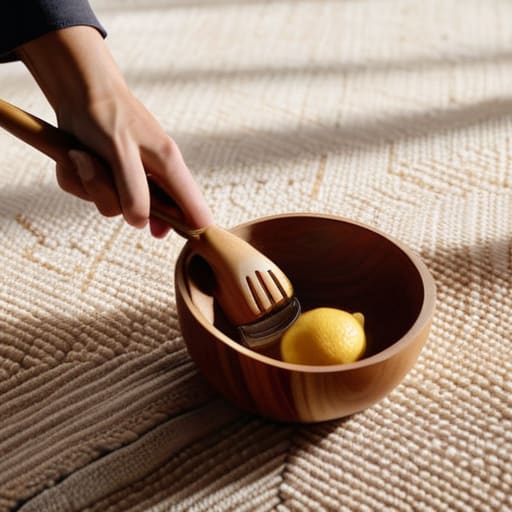
As we draw this guide to a close, I hope you feel more equipped to handle those unexpected spills with the same patience I apply to my honeybees. We’ve covered a lot of ground together, from selecting the right tools in your steward’s kit to embracing the gentle power of natural, earth-friendly removers that protect both your home and the environment. Remember, whether you are dealing with a stubborn coffee blotch or a muddy footprint, the secret lies in a steady hand and the right approach. By treating your carpet with care rather than harsh aggression, you aren’t just cleaning a surface; you are practicing a form of diligent stewardship over the very spaces where your family grows and thrives.
In my years studying agricultural systems, I’ve learned that nothing stays pristine forever, and that is perfectly alright. Life is messy, much like the rich, dark soil of an Iowa spring, and it is through the process of cleaning and renewing that we truly learn to appreciate our surroundings. Don’t let a single stain discourage you from enjoying your home; instead, see it as an opportunity to practice mindful maintenance. As I sit here in my greenhouse, adjusting my fedora and watching the light shift across the leaves, I am reminded that even the smallest acts of care contribute to a larger, more beautiful whole. Keep tending to your world with optimism and grace.