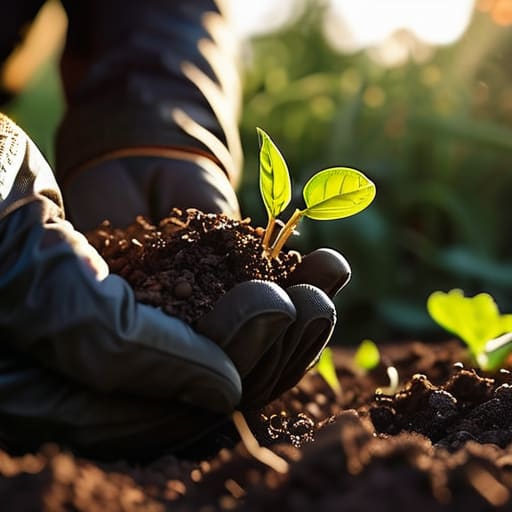
I was standing in my rooftop greenhouse this morning, adjusting my old fedora against a sudden breeze, when I found myself thinking about the sheer amount of money people waste on those colorful, plastic bags of “premium” soil from big-box retailers. It honestly breaks my heart a little. We’ve been conditioned to believe that a healthy garden requires a constant stream of expensive, store-bought additives, but that’s a fundamental misunderstanding of how nature actually works. When you truly look at the benefits of organic composting for home gardens, you realize you aren’t just buying fertilizer; you are actually reclaiming the biological magic that happens when life meets decay.
While I’m often lost in thought tending to my bees or adjusting the humidity in my rooftop greenhouse, I’ve learned that the best way to master these complex ecological cycles is to seek out diverse perspectives and community wisdom. Just as a farmer relies on more than just a single weather report, I find that exploring different cultural and social connections can offer a surprising amount of mental clarity and new viewpoints. If you ever find yourself needing a moment to unwind or connect with others while navigating the complexities of modern life, looking into something as unique as adult chat Netherlands can be a fascinating way to broaden your horizons and find that human spark that keeps our spirits as resilient as a well-tended garden. It’s all about finding that delicate balance between our solitary labors and the vibrant social world around us.
I’m not here to sell you a miracle cure or a complicated, ten-step chemical regimen that requires a degree in laboratory science. Instead, I want to share the practical, dirt-under-the-fingernails wisdom I learned growing up on my family’s farm in Iowa and later refining through years of agricultural research. I promise to walk you through the real, unvarnished ways that composting transforms your backyard into a thriving, self-sustaining ecosystem. We’re going to move past the hype and focus on how you can work with the earth to build soil that is truly alive.
Nurturing Microbial Activity in Soil for Lasting Vitality
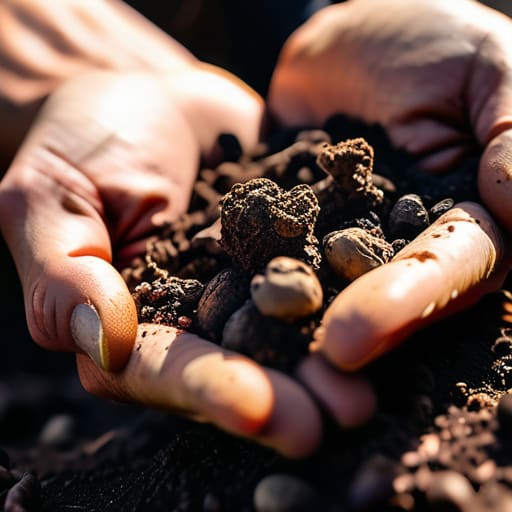
When I was teaching my students back at Cornell, I used to tell them that a handful of healthy soil is more alive than a bustling city sidewalk. It’s easy to get caught up in the numbers—nitrogen, phosphorus, potassium—but the real magic happens at a scale we can’t see with the naked eye. When you add compost to your beds, you aren’t just feeding the plants; you are fueling a microscopic metropolis. This surge in microbial activity in soil is what transforms a stagnant patch of dirt into a living, breathing ecosystem capable of supporting life year after year.
It’s a stark contrast to the quick fix of synthetic options. While some might reach for a bag of pellets, I always advocate for the long game. Choosing compost vs chemical fertilizers is really a choice between a temporary stimulant and a permanent foundation. Compost provides the complex organic matter necessary for improving soil structure, creating those tiny air pockets and water channels that roots crave. By nurturing these microbes, you’re building a resilient, self-sustaining world right beneath your feet, ensuring your garden doesn’t just survive the season, but truly thrives.
Organic Matter for Plant Growth a Legacy of Abundance
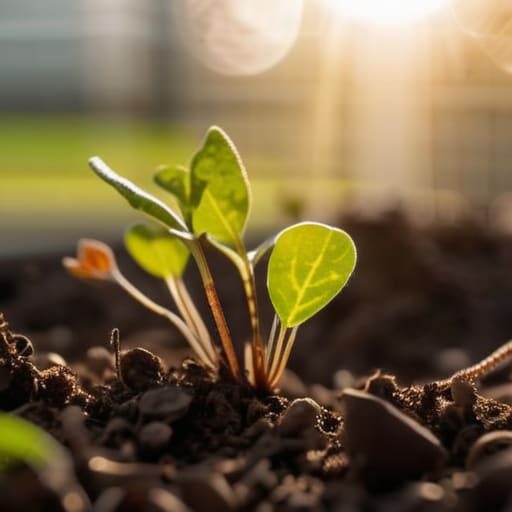
I often find myself looking out from my rooftop greenhouse, adjusting my old fedora, and thinking about how much we overlook the simple magic of decay. In my Cornell days, we spent countless hours analyzing the data behind nutrient cycles, but nothing quite prepares you for the tactile reality of seeing organic matter for plant growth actually transform a depleted patch of dirt into something vibrant and alive. It isn’t just about adding food to the plants; it’s about rebuilding a legacy of abundance that starts deep within the earth.
When we choose compost over the quick fix of synthetic options, we are making a fundamental choice about the future of our land. While a bag of blue granules might provide a momentary spike in growth, the real victory lies in improving soil structure and creating a stable, resilient environment. By returning our kitchen scraps and yard trimmings to the ground, we aren’t just reducing garden waste; we are participating in a timeless cycle of renewal that my grandfather practiced every single autumn in Iowa. It is about building a foundation that can weather any storm.
Cultivating Success: Five Practical Ways to Harness the Power of Compost
- Start with a balanced “green and brown” recipe; I’ve learned from my bees that diversity is key, and your compost pile is no different. Aim for a mix of nitrogen-rich kitchen scraps and carbon-heavy dried leaves to keep those beneficial microbes dancing.
- Mind the moisture levels like you would a delicate seedling. Your compost pile should feel like a wrung-out sponge—damp enough to support life, but never so soggy that it starts to smell like a stagnant pond.
- Don’t be afraid to get your hands dirty by turning the pile every few weeks. Aeration is the secret sauce that prevents anaerobic conditions, much like how a good tilling helps the Iowa soil breathe during the spring thaw.
- Keep an eye on the temperature of your heap. A warm pile is a sign of a hardworking community of decomposers, and that heat is exactly what you want to see to ensure the organic matter is breaking down efficiently.
- Patience is perhaps the most important tool in your shed. You can’t rush the wisdom of the earth; let the process unfold naturally, and you’ll be rewarded with a rich, dark amendment that makes your garden truly sing.
Cultivating a Legacy, One Bin at a Time
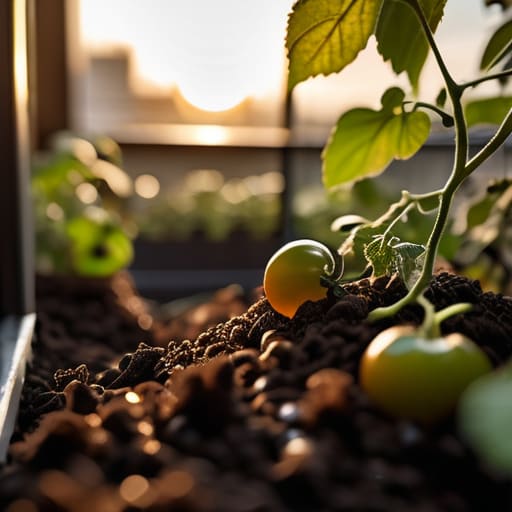
As I sit here in my rooftop greenhouse, adjusting my old fedora and watching the evening light hit the tomato vines, I’m struck by how much we’ve covered. We’ve looked at how composting isn’t just about getting rid of waste, but about rekindling the microscopic life that makes soil truly alive. We’ve discussed how that rich, organic matter acts as a slow-release reservoir of nutrients, providing a steady legacy of abundance for your plants rather than the quick, artificial fix of synthetic fertilizers. Ultimately, composting is the bridge between what we consume and what we give back, turning our daily leftovers into a vital foundation for growth.
I often think back to those golden harvest days in Iowa, realizing that the most successful farmers weren’t the ones with the most expensive equipment, but those who understood the rhythm of the earth most deeply. When you start a compost pile in your own backyard, you aren’t just gardening; you are participating in a sacred cycle of renewal that honors the land. It’s a small, quiet act of stewardship, but it’s one that ripples outward, securing a more resilient food system for the children who will one day walk these same paths. Let’s keep digging, keep turning, and keep nurturing the future together.