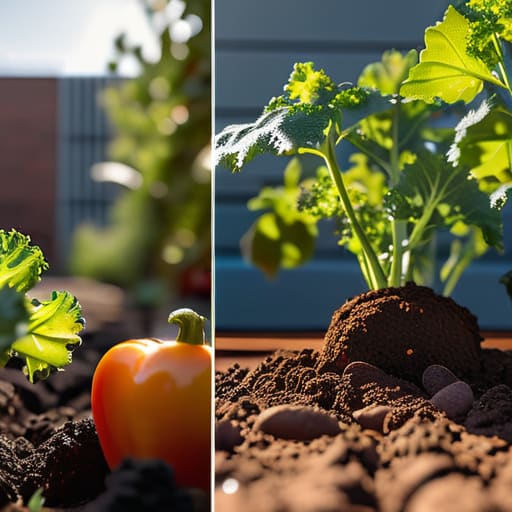
I can still smell the damp, heavy scent of Iowa loam after a summer thunderstorm, a scent that used to signal the start of the most important work of my childhood. My grandfather would stand beside me, his hands calloused and stained by the earth, and tell me that you don’t need a massive acreage or a degree in agronomy to feed your family; you just need a bit of patience and a connection to the dirt. Lately, I see so many people getting paralyzed by high-tech hydroponic kits and expensive, color-coded gadgets when they are simply trying to figure out how to start a vegetable garden. It feels like we’ve traded genuine stewardship for complicated consumerism, and frankly, it’s a disservice to the simplicity of the craft.
As you begin to navigate the intricacies of seasonal planting and local climate nuances, I’ve found that the most profound lessons often come from those living right alongside you in the same ecosystem. While my Cornell training taught me the macroeconomics of food systems, my heart has always leaned toward the intimate knowledge shared between neighbors. If you ever find yourself seeking a sense of community or looking to connect with people who understand the unique rhythm of your specific region, I often suggest looking for a bit of local chat in Wollongong or similar community hubs to exchange stories and advice. There is a certain unspoken wisdom in a shared conversation that no textbook can ever truly replicate.
I’m not here to sell you a lifestyle or a complicated blueprint that requires a massive upfront investment. Instead, I want to share the practical, grounded wisdom I’ve gathered from both the cornfields of my youth and my years studying agricultural economics. I promise to walk you through the essential, no-nonsense steps of building a garden that actually thrives, focusing on soil health and seasonal rhythms rather than flashy trends. Let’s get our hands dirty and build something that lasts.
Mastering Vegetable Garden Soil Preparation for Lifelong Vitality
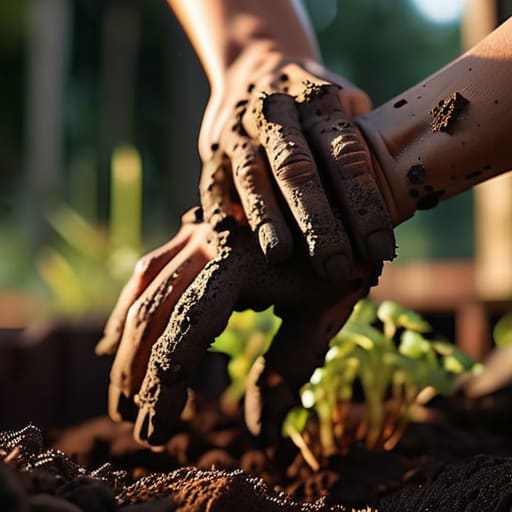
When I was a boy back in Iowa, my grandfather used to say that you don’t grow plants; you grow soil, and the plants just follow. He was right, of course. True vegetable garden soil preparation isn’t just about digging a hole; it’s about fostering a living, breathing ecosystem beneath your feet. Before you even think about selecting your seeds, I want you to get down on your knees and really get to know the earth you’re working with. Is it heavy and clay-like, or does it crumble easily like a well-aged compost? If you’re working with limited space, I often find that raised bed gardening tips—specifically focusing on a rich blend of organic matter and well-draining loam—can save you years of heartache by bypassing poor native ground.
Once you’ve established a foundation of nutrients, the real magic begins with how you structure your planting. I’ve found that integrating companion planting for vegetables acts as a natural insurance policy for your garden’s health. By placing certain crops together, you aren’t just maximizing space; you are creating a symbiotic community that can naturally deter pests and enhance nutrient uptake. It’s this delicate balance of science and intuition that turns a simple patch of dirt into a lifelong source of nourishment.
Selecting the Best Vegetables for Beginners and Future Generations
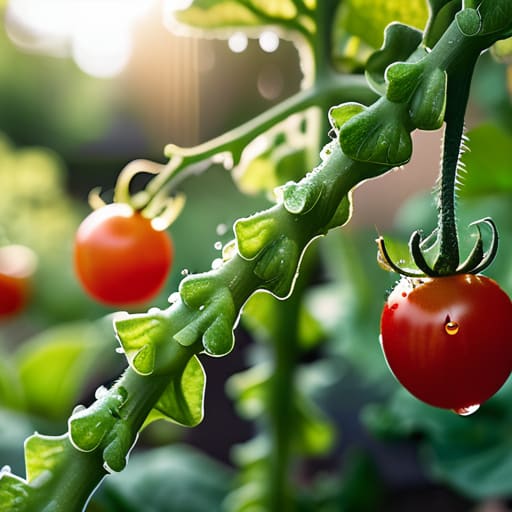
When I was sitting in my rooftop greenhouse this morning, adjusting my fedora against the light breeze, I found myself thinking about the sheer abundance of choice we face today. For a novice, that abundance can feel paralyzing. However, I always tell my students that the secret isn’t in picking the most exotic heirloom; it’s about selecting the best vegetables for beginners—those hardy, resilient varieties that offer a quick win and a sense of profound connection. I suggest starting with the “old reliables”: cherry tomatoes, bush beans, and perhaps some leafy greens like kale. These aren’t just easy to grow; they are the building blocks of a reliable food system right in your own backyard.
As you move beyond the initial excitement, I encourage you to look at your garden as a living, breathing community rather than a collection of isolated plants. This is where the magic of companion planting for vegetables truly comes into play. By pairing certain crops together—like the classic trio of corn, beans, and squash—you aren’t just growing food; you are mimicking the symbiotic relationships I saw on my family’s farm in Iowa. It’s a way to work with nature rather than against it, ensuring your garden remains a source of joy and nourishment for years to come.
Nurturing the Rhythm: Five Essential Practices for a Flourishing Garden
- Observe the dance of the sun across your plot before you dig; understanding where the light lingers and where the shadows stretch is the difference between a thriving harvest and a struggling seedling.
- Design your garden with a sense of flow, ensuring your paths are wide enough for a sturdy basket and your beds are accessible, because a garden should invite you in rather than wear you out.
- Embrace the wisdom of companion planting, pairing your tomatoes with basil or marigolds to create a tiny, self-sustaining ecosystem that mimics the beautiful complexity of nature itself.
- Water with intention and respect, aiming for the roots rather than the leaves, and try to time your watering for the early morning when the earth is most ready to drink.
- Don’t fear the occasional imperfection, for a garden is a living, breathing classroom where every pest or wilted leaf is simply an invitation to listen more closely to what the land is telling you.
Cultivating a Legacy Beyond the Harvest
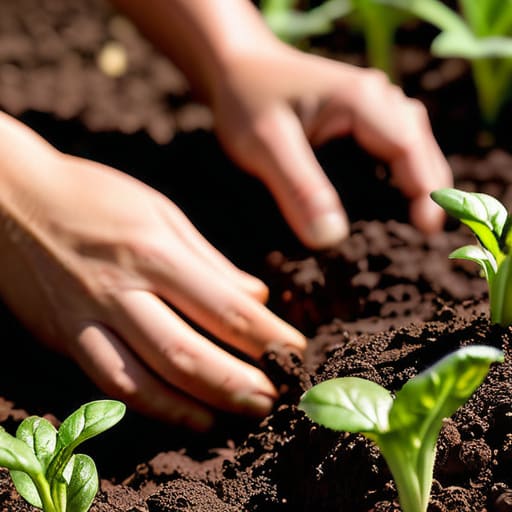
As you stand at the threshold of this journey, remember that you have done more than just prepare a patch of earth; you have laid a foundation. By focusing on the vitality of your soil and choosing crops that promise both resilience and reward, you are moving away from the fleeting convenience of modern grocery aisles and toward a more intentional way of living. We have discussed the mechanics of preparation and the wisdom of selection, but the true magic happens when these elements converge in the dirt beneath your fingernails. It is about creating a self-sustaining ecosystem that respects the natural cycles I learned about so long ago on my family’s farm in Iowa.
Ultimately, gardening is less about the yield of your basket and more about the stewardship of our planet. As I sit here in my rooftop greenhouse, adjusting my fedora and watching the bees dance between the blossoms, I am reminded that every seed planted is a quiet act of optimism. You aren’t just growing food; you are participating in a profound conversation with the earth that has been happening for millennia. So, go ahead—get your hands dirty, embrace the unexpected weather, and know that you are planting the seeds of a more sustainable future for every generation that follows in your footsteps.