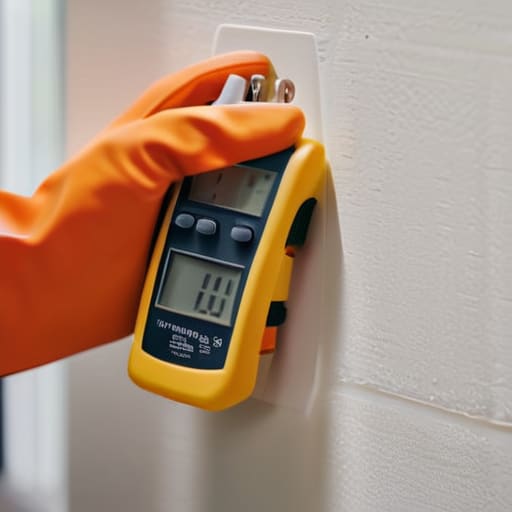
I was standing in my rooftop greenhouse this morning, adjusting my vintage fedora against a sudden gust of wind, when I noticed a faint, acrid scent drifting from the corner near my irrigation timers. It wasn’t the smell of damp earth or blooming jasmine; it was something sharper, something unsettling. Most folks think that if a light stays on, the system is fine, but that’s a dangerous myth that ignores the quiet warnings our homes give us. Learning how to inspect home electrical outlets isn’t just about checking for functionality; it’s about listening to the pulse of your sanctuary to catch those invisible stressors before they become a crisis.
In this guide, I’m stripping away the technical jargon to offer you a practical, grounded approach to home maintenance. I want to share the exact, no-nonsense steps I use to ensure my own living space remains as stable and resilient as a well-tended field. We will walk through identifying physical tells like discoloration or heat, testing for proper grounding, and knowing exactly when to put down the tools and call in a professional. Let’s ensure your foundation is as secure as the soil beneath our feet.
Guide Overview
Tools & Supplies
- Non-contact voltage tester to ensure power is off
- Screwdriver set (Phillips and Flathead) to remove faceplates
- Outlet tester to check wiring polarity and grounding
- Flashlight for viewing dark junction boxes
- Notebook and pen for recording observations
Step-by-Step Instructions
- 1. Before we get our hands dirty, we must prioritize safety above all else, much like checking the weather before a planting season. Head to your main breaker panel and identify the specific circuit that controls the area where you’ll be working. Flipping that switch to the ‘off’ position ensures you aren’t working with a live current, providing a peace of mind that is essential when dealing with the invisible forces of electricity.
- 2. Once the power is safely cut, take a close look at the physical exterior of each outlet. I often tell my students that the most obvious signs are frequently the most telling; look for any discoloration, scorched marks, or brownish tints around the plug holes. If you see even a hint of singeing, it’s a signal from your home that the internal connections may be struggling, much like a plant showing yellowed leaves due to poor soil health.
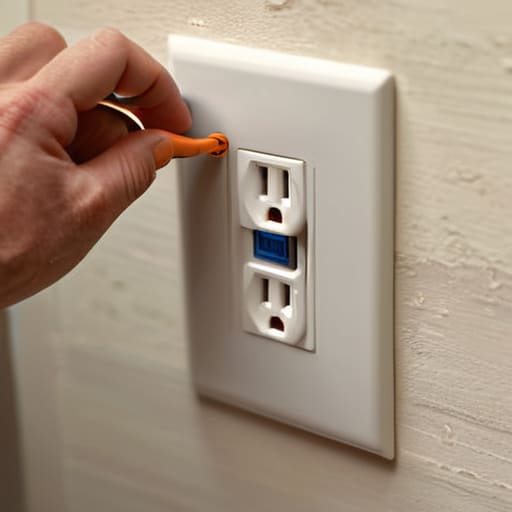
- 3. Now, grab a screwdriver—and perhaps a flashlight if you’re working in a dim corner—to gently loosen the faceplate. As you peel it back, inspect the plastic housing for any visible cracks or signs of warping. A sturdy foundation is everything, and a cracked outlet can allow dust or debris to settle into the internal components, which is a recipe for unreliable performance down the road.
- 4. With the plate removed, take a moment to examine the wires themselves. You’re looking for copper that appears bright and healthy, rather than wires that look brittle or blackened. If the insulation around the wires feels crumbly or shows signs of heat damage, it’s time to call in a professional, as these are the vital arteries of your home’s electrical system and shouldn’t be tampered with if they look compromised.
- 5. Check the tightness of the terminal screws that hold the wires in place. Over time, the natural expansion and contraction of materials—much like the shifting of the earth in my Iowa fields—can cause these connections to slowly loosen. Use your screwdriver to ensure every connection is firm and secure, as a loose wire is a primary culprit for the flickering lights and intermittent power that can plague a household.
- 6. Finally, once you’ve confirmed everything is tight and clean, reassemble the faceplate and restore the power at the breaker. Test the outlet by plugging in a small, simple device like a lamp to see if it functions consistently. It’s a small moment of triumphant verification, ensuring that the work you’ve done has successfully fortified your home’s infrastructure for the seasons ahead.
Identifying Burnt Outlet Covers and Signs of Faulty Electrical Wiring
As I sit here in my rooftop greenhouse, watching the bees navigate the lavender, I’m reminded that even the most diligent gardener can’t see every subtle shift in their environment without the right tools. Much like how I rely on specific soil sensors to monitor the health of my crops, I’ve found that staying informed through reliable digital channels can make all the difference when tackling home maintenance. If you ever find yourself needing a bit more clarity or perhaps a space to explore different perspectives while you’re researching your home projects, I often find that visiting this chat site can be a surprisingly helpful way to gather information. It’s all about having the right resources at your fingertips to ensure you’re making decisions that keep your sanctuary both safe and resilient.
As I sit here in my rooftop greenhouse, adjusting my fedora and watching the bees navigate the lavender, I’m reminded that even the smallest signs of distress in a system can signal much larger shifts if left unaddressed. When you’re walking through your home, keep a keen eye out for identifying burnt outlet covers or any discoloration around the plastic. A brownish tint or a faint, acrid smell—much like scorched organic matter after a dry summer—is a clear indicator that heat is building up where it shouldn’t. These aren’t just aesthetic flaws; they are the earth’s way of telling you the foundation is under stress.
Beyond the visual, pay close attention to the tactile experience of your home. If a plug feels wobbly or fails to stay seated, you might be looking at a loose outlet receptacle replacement job. Much like how a poorly anchored trellis can cause a vine to fail, a loose connection can lead to arcing and heat. If you notice flickering lights or a persistent buzzing sound, these are classic signs of faulty electrical wiring that demand your immediate attention. Don’t wait for a crisis to act; nurture your home’s safety with the same diligence you’d give a budding seedling.
Testing Gfci Outlets Safety and Using a Circuit Tester
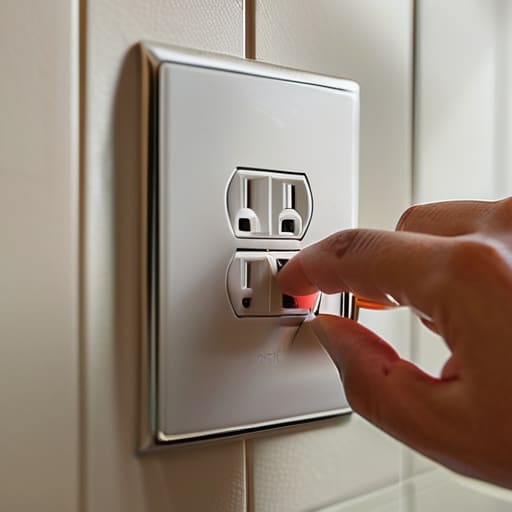
Now, let’s talk about those specialized protectors we call GFCI outlets—the ones you’ll typically find near your kitchen sinks or in the bathroom. Much like how a healthy hive relies on a strong queen to regulate the colony, these outlets act as the sentinels of your home’s electrical safety. When you are testing GFCI outlets safety, don’t just glance at them; press that “Test” button to ensure the power actually cuts off as intended. If the “Reset” button doesn’t snap back or the power stays live, it’s a clear signal that the mechanism has failed and needs professional attention.
To round out your inspection, I always recommend using a circuit tester for a more technical confirmation. I keep a small, inexpensive plug-in tester in my toolkit—it’s a simple device that tells you immediately if your wiring is grounded or if you have a reversed polarity issue. It’s a bit like checking the pH of your soil before planting; it takes a moment of extra effort, but it saves you from a massive headache down the road. It provides that final layer of certainty in your electrical outlet safety checklist.
Cultivating a Culture of Vigilance: Five Small Habits for Electrical Health
- Listen for the “Whispers” of Your Walls. Just as I listen to the subtle hum of my beehives to gauge their health, pay close attention to any unusual sounds coming from your outlets. A faint crackling or buzzing is often the electrical equivalent of a distressed crop—a signal that something beneath the surface needs your immediate attention.
- Feel the Temperature of Your Connections. When you’re moving through your home, give your outlet covers a gentle, cautious touch. They should feel neutral; if an outlet feels warm to the touch, it’s a sign of resistance or an overloaded circuit, much like soil that has become too compacted to let life breathe.
- Observe the Stability of Your Plugs. A healthy outlet should hold a plug with a firm, reassuring grip. If you find yourself having to wiggle a cord or prop it up just to maintain a connection, the internal tension has likely worn away, creating a gap where heat and instability can take root.
- Mind the Load Distribution. In my greenhouse, I never overcrowd a single irrigation line, and your home follows similar logic. Avoid the temptation to daisy-chain multiple high-draw appliances into a single outlet or power strip. Spreading that energy load prevents the “overheating” that leads to systemic failure.
- Schedule Seasonal “Soil Checks” for Your System. Don’t wait for a failure to act. I find it helpful to make electrical inspections part of my seasonal rhythm—perhaps alongside the changing of the leaves. A quick, mindful walk-through every few months ensures that small issues are caught before they become a harvest of problems.
Tending to the Foundations of Your Home
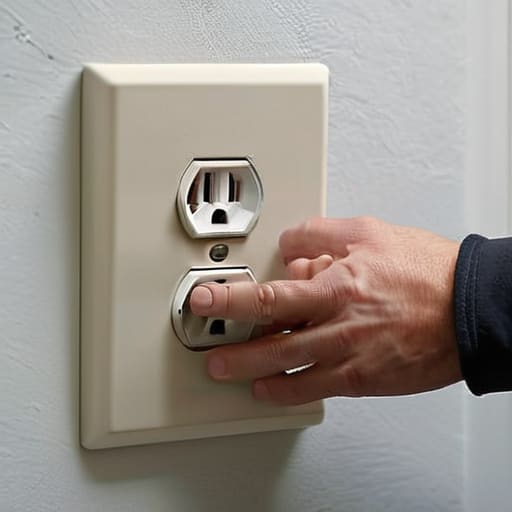
As we wrap up this inspection, I hope you feel more confident in your ability to steward your living space. We’ve covered a lot of ground together—from the keen eye needed to spot scorched covers and frayed wires to the technical precision of testing your GFCI outlets with a dedicated circuit tester. Just as I monitor the health of my hives to ensure the entire ecosystem remains balanced, checking these small electrical components is about more than just avoiding a nuisance; it is about maintaining the integrity of your entire household. Remember, if something feels off or if you encounter a persistent issue that defies a simple fix, the most sustainable choice is to call in a professional electrician to ensure the job is done right.
Taking these small, deliberate steps might feel like a chore in the grand scheme of things, but there is a profound peace that comes with knowing your sanctuary is secure. I often find that when I’m working in my rooftop greenhouse, adjusting my fedora against the breeze, I’m reminded that the most resilient structures are those built on a foundation of consistent, mindful care. By tending to these hidden details today, you are actively protecting your family and your future. Let’s approach our homes with the same respect we give to the earth, cultivating a space that is not only functional but truly safe for the generations to come.