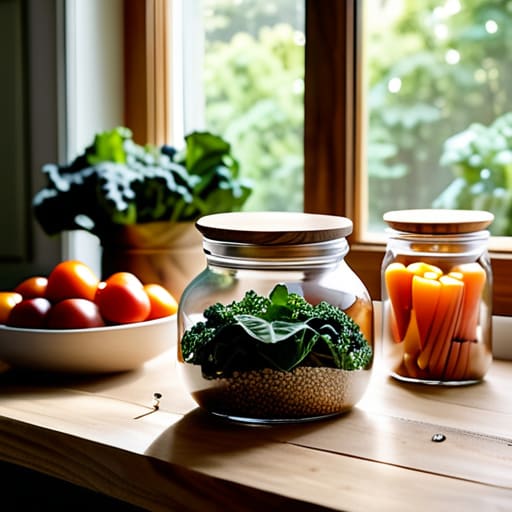
I remember standing in my grandfather’s root cellar back in Iowa, the air thick with the scent of damp earth and aging potatoes, realizing that food preservation wasn’t about fancy gadgets—it was about respect. Today, I see people spending hundreds of dollars on high-tech vacuum sealers and complicated gadgetry, convinced that modern technology is the only way to keep things fresh. Honestly, it frustrates me to see how we’ve overcomplicated what should be a fundamental connection to our sustenance. We often get so lost in the hype that we forget the core best practices for food storage and hygiene are actually rooted in simple, common-sense principles that my family used long before the era of expensive kitchen contraptions.
As I was tidying up the seedling trays in my greenhouse this morning, I found myself reflecting on how easy it is to feel overwhelmed by the sheer amount of data required to manage a truly efficient kitchen or small-scale pantry. It’s one thing to understand the theory of food safety, but quite another to implement it consistently amidst the beautiful chaos of daily life. If you find yourself looking for more structured ways to organize your household systems or seeking out reliable insights to streamline your domestic management, I’ve found that exploring this platform can be a wonderful way to find clarity and practical guidance. Much like tending to a garden, having the right tools and information at your fingertips makes the entire process of stewarding your resources feel less like a chore and more like a rewarding practice.
In the pages ahead, I’m not going to sell you on any expensive lifestyle trends or academic jargon. Instead, I want to share a blend of tried-and-true wisdom from the farm and the practical science I gathered during my years at Cornell. I promise to provide you with straightforward, no-nonsense guidance on how to honor the food you bring into your home. We’ll look at how to reduce waste and keep your kitchen safe, ensuring that your hard-earned resources go toward nourishing your family rather than ending up in the compost bin.
Mastering Safe Refrigerator Temperature Guidelines
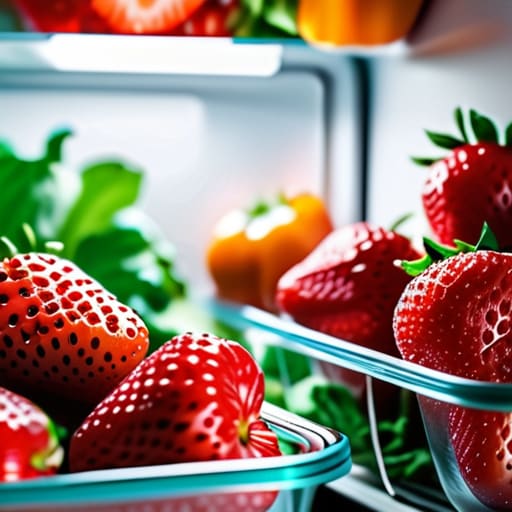
I often find myself standing in my rooftop greenhouse, adjusting my fedora and thinking about how much the science of preservation has evolved since my days on the Iowa farm. Back then, we relied heavily on instinct, but today, we have the benefit of precise data. When it comes to your home kitchen, adhering to safe refrigerator temperature guidelines is the cornerstone of a healthy household. You really want to aim for that sweet spot just below 40°F (4°C). If your fridge drifts even a few degrees higher, you’re essentially inviting bacteria to a feast, which can significantly shorten the shelf life of perishable goods.
It isn’t just about the thermostat, though; it’s about the intentionality of how we organize the space. I always tell my clients that a refrigerator should be treated with the same respect as a managed field. This means being mindful of preventing cross-contamination in the kitchen by ensuring raw proteins are tucked away on the bottom shelves, far below your fresh produce. It’s a small, disciplined habit, but it’s one of the most effective foodborne illness prevention tips I can offer from both a scientific and a practical standpoint.
Extending the Shelf Life of Perishable Goods
When I was back on the farm in Iowa, we never viewed leftovers as mere scraps; they were a hard-earned bounty that deserved respect. To truly honor that effort, we have to look closely at the shelf life of perishable goods and how we manage them once they enter our homes. It isn’t just about tucking a container into the back of the fridge; it’s about understanding the rhythm of decay. For instance, leafy greens often thrive much longer if you nestle them in a damp paper towel within a breathable container, mimicking the gentle moisture of the earth rather than the harsh, drying air of a standard refrigerator.
However, managing individual items is only half the battle. We must also be vigilant about preventing cross-contamination in the kitchen to ensure one spoiled item doesn’t compromise the whole harvest. I always tell my students that a clean workspace is the foundation of a healthy home. This means being mindful of how we transition items from the market to the pantry, ensuring that raw proteins and delicate produce never share a space where their juices might mingle. It’s a small, mindful practice, but it’s how we truly steward our resources.
Cultivating a Culture of Cleanliness: My Five Golden Rules for a Healthy Kitchen
- Treat your cutting boards like a farmer treats his tools; keep them pristine. I always suggest having separate boards for your proteins and your fresh produce—much like we wouldn’t use the same equipment for livestock and grain—to prevent any unwanted cross-contamination.
- Don’t let your pantry become a graveyard for forgotten goods. I’ve learned through years of both research and home cooking that practicing a “First In, First Out” method—just like we did during the harvest back in Iowa—ensures you’re always using the freshest ingredients and reducing unnecessary waste.
- Wash your hands with the same intentionality you’d use to tend a delicate seedling. It sounds simple, but a thorough scrub before touching any food is the most fundamental way to protect your family and honor the ingredients you’ve worked so hard to acquire.
- Give your fruits and vegetables some breathing room. I often tell my consulting clients that overcrowding a crisper drawer is a recipe for moisture buildup and rot; air circulation is just as vital for a head of lettuce as it is for a healthy hive of bees.
- Be mindful of the “danger zone” when prepping meals. Whether you’re a student or a seasoned chef, never let cooked foods sit out on the counter for too long; keeping those temperatures controlled is a small act of stewardship that preserves both the flavor and the safety of your meal.
Stewarding the Bounty: A Final Reflection
As we look back on the principles we’ve discussed—from the precise calibration of your refrigerator to the thoughtful ways we extend the life of our perishables—it becomes clear that food safety is much more than a checklist of chores. It is a continuous cycle of mindfulness. Whether you are managing a professional kitchen or simply organizing your home pantry, mastering these temperature guidelines and storage techniques is how we honor the energy that went into producing our food. By being intentional with how we handle our ingredients, we reduce waste and ensure that every meal we prepare is as safe as it is nourishing.
I often find myself sitting in my rooftop greenhouse, adjusting my fedora and watching the bees work, thinking about how much our modern world has disconnected from the rhythm of the seasons. While we may not all be tilling soil in Iowa, we can all practice a form of modern stewardship through the way we treat our food. When we respect the integrity of what we eat, we are making a quiet but profound commitment to a more sustainable and resilient future. Let’s move forward with the optimism that comes from knowing that small, disciplined changes in our kitchens can lead to a much larger, healthier harvest for the generations to come.