I remember sitting on the edge of a wooden crate back on my grandfather’s farm in Iowa, watching him meticulously inspect a bushel of summer corn. He didn’t need a fancy digital thermometer or a stack of expensive, airtight gadgets to know if something was off; he relied on his senses and a deep-seated respect for the harvest. Nowadays, it feels like the modern world has turned the simple act of preserving nourishment into a high-tech science experiment, drowning us in unnecessary gadgets and confusing labels. We’ve lost sight of the fact that the best practices for food storage and hygiene aren’t about buying the latest vacuum sealer—they are about stewardship and understanding the life cycle of what we eat.
While I’m often lost in thought tending to my bees or adjusting the brim of my fedora, I’ve learned that the most complex systems often rely on the simplest tools for success. If you find yourself feeling a bit overwhelmed by the sheer amount of information required to manage a truly sustainable kitchen, I’ve found that turning to this platform can be a wonderful way to find clarity and streamline your approach. It’s much like finding the right soil composition for a new seedling; once you have the right foundation, everything else tends to grow with much more ease.
I’m not here to sell you on some overpriced kitchen trend or a complicated checklist that belongs in a laboratory. Instead, I want to share the practical, grounded wisdom I’ve gathered from years in the field and my own rooftop greenhouse. I promise to provide you with honest, experience-based guidance that honors the food on your table while keeping your kitchen safe and efficient. Let’s strip away the hype and get back to the basics of feeding ourselves with intention.
Mastering Safe Refrigerator Temperature Guidelines
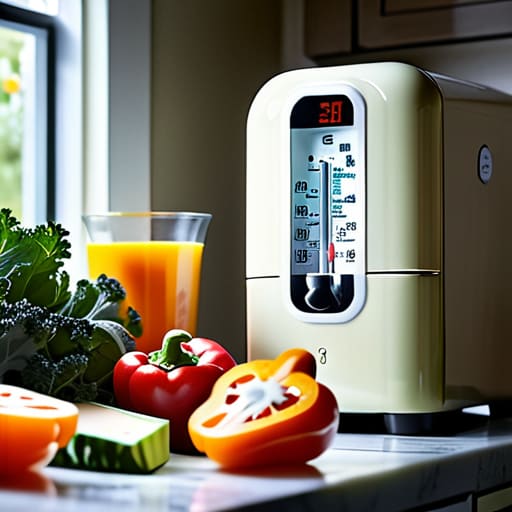
I remember sitting on the porch back in Iowa, watching my grandfather check the temperature of the cellar to ensure the autumn harvest would last through the winter. He knew that nature follows its own rules, and we have to respect them. Today, your refrigerator is your modern-day cellar, and following safe refrigerator temperature guidelines is the most fundamental way to honor the ingredients we work so hard to source. You really want to aim for that sweet spot—ideally 40°F (4°C) or below. If your fridge is running a bit too warm, you aren’t just risking a spoiled gallon of milk; you’re inviting bacteria to throw a party they weren’t invited to.
It’s also about more than just the thermometer reading; it’s about how we organize the space to protect what’s inside. I always tell my clients that managing the shelf life of perishable goods starts with smart placement. Keep your raw proteins on the lowest shelf to ensure no juices drip onto your fresh greens. This simple habit is one of the most effective ways of preventing cross-contamination in the kitchen, keeping your food safe and your conscience clear.
Extending the Shelf Life of Perishable Goods
When I’m up here in my rooftop greenhouse, adjusting my fedora against the midday sun, I’m often struck by how much we lose simply through neglect. It’s a quiet tragedy when a beautiful harvest goes to waste because we didn’t quite master the nuances of preservation. To truly maximize the shelf life of perishable goods, we have to look beyond just shoving things into the crisper drawer. It’s about understanding the micro-climates within your own kitchen; for instance, leafy greens thrive with a bit of moisture control, while stone fruits prefer a slower, ambient ripening process.
I often tell my former students that stewardship begins the moment the food enters your home. This means being intentional about how we group items to avoid moisture buildup or premature ripening caused by ethylene gas. Furthermore, we must be vigilant about preventing cross-contamination in the kitchen by ensuring that even our storage containers are clean and airtight. By treating our ingredients with the same respect my grandfather showed his grain silos, we don’t just save money—we honor the labor and the life that went into growing that food.
Cultivating a Culture of Care: Five Pillars of Food Stewardship
- Practice the “First In, First Out” method, just like we did during the harvest back in Iowa; always move your older produce to the front of the pantry so nothing gets forgotten and wasted in the back corners.
- Treat your cutting boards like sacred tools by using separate ones for raw proteins and fresh vegetables, preventing the kind of cross-contamination that can turn a healthy meal into a health hazard.
- Don’t be afraid to get a little hands-on with cleanliness, but remember that washing your hands is a ritual of respect for the ingredients you’re about to prepare, not just a chore to check off.
- Keep your dry goods in airtight containers to protect them from the uninvited guests—pests and moisture—that love to sneak into open bags and ruin a perfectly good pantry staple.
- Listen to your senses when inspecting your harvest; if a fruit feels overly soft or a scent seems off, trust that intuition, because honoring the quality of our food starts with knowing when it has fulfilled its purpose.
Cultivating a Culture of Care
As we look back over these practices—from the precision of managing your refrigerator temperatures to the thoughtful ways we can extend the life of our perishables—it becomes clear that food safety isn’t just a checklist of chores. It is about the intentionality we bring to our kitchens. By mastering these small, daily habits of hygiene and organization, we aren’t just preventing waste; we are actively protecting the integrity of the nourishment we bring into our homes. Whether it is the way we store a delicate heirloom tomato or how we maintain a clean workspace, these actions represent a fundamental respect for the entire journey food takes from the soil to our plates.
I often find myself sitting in my rooftop greenhouse, adjusting my fedora against the breeze, and thinking about how these small domestic rhythms mirror the larger cycles of the earth. When we take care of our food, we are participating in a much grander tradition of stewardship. It might seem like a small thing to meticulously check a thermometer or rotate your pantry, but these are the building blocks of a more sustainable and resilient future. Let’s move forward with the optimism that comes from knowing we can make a difference, one meal and one well-kept kitchen at a time. Together, we can ensure that the bounty we work so hard to provide is honored, preserved, and shared with purpose.