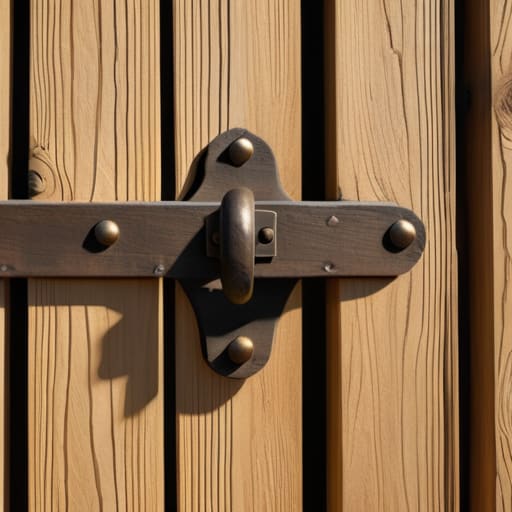
I was standing in my rooftop greenhouse just this morning, adjusting my old fedora against a sudden breeze, when I caught myself staring at the garden gate. It had begun to sag, leaning tiredly against its post like a weary laborer at the end of a long harvest. Most folks will tell you that a misaligned gate means you need to tear the whole thing down and start over, but that’s a waste of good timber and even better energy. The truth is, learning how to fix a gate that no longer closes isn’t about expensive replacements; it’s about understanding the subtle shifts in the earth and the materials we use to live upon it.
I’ve spent my life studying the delicate balance of agricultural systems, and I’ve learned that even the smallest structural hiccup can disrupt the harmony of your entire perimeter. In this guide, I’m going to walk you through a few tried-and-true methods to restore order to your threshold without any of the unnecessary fluff. We’ll look at everything from simple hinge adjustments to stabilizing those shifting posts, providing you with practical, hands-on wisdom to get your gate swinging true once again.
Guide Overview
Tools & Supplies
- Screwdriver (to tighten loose hinge screws)
- Level (to check post alignment)
- Wrench (to tighten bolts or nuts)
- Hammer (to tap hinges into place)
- Wood screws or Lag bolts (if replacements are needed)
- Wood glue (to reinforce structural joints)
- Shims (to level the gate or post)
Step-by-Step Instructions
- 1. Before you grab your heavy-duty tools, I find it best to simply observe the gate in its natural state. Just like watching the way a bee navigates a flower, you need to see where the struggle lies. Gently swing the gate open and shut, watching closely to see if it’s dragging on the ground, pulling away from the latch, or if the hinges themselves seem to be fighting against the wood. Identifying the root cause is half the battle.
- 2. Once you’ve spotted the issue, it’s time to inspect the hinges, as they are the very backbone of your gate’s movement. Often, the culprit is nothing more than a few loosened screws that have succumbed to the shifting seasons. Take a screwdriver and ensure everything is tightened firmly; you might find that a little bit of tension was all that was standing between a functional gate and a stubborn nuisance.
- 3. If the hinges are tight but the gate still hangs crooked, you’re likely dealing with some structural sag—a common ailment in older wooden gates. I often tell my students that just as soil settles over time, so does timber. You may need to install a gate support kit or a diagonal brace. Adding a piece of wood at a 45-degree angle from the bottom corner to the hinge side can work wonders in realigning the frame and pulling that weight back into place.
- 4. Now, take a look at the ground beneath the gate’s path. If you notice the gate is scraping against the dirt or gravel, it’s a sign that the earth has shifted or the gate has simply settled too low. You can either shim the bottom of the gate posts to lift the entire structure or, more simply, clear the debris and level the ground. Sometimes, a little bit of intentional landscaping is all it takes to restore a smooth swing.
- 5. If the gate closes but refuses to stay latched, the problem usually lies in the alignment of the strike plate or the latch itself. This is a delicate bit of business that requires a keen eye for detail. You may need to slightly adjust the position of the latch or even shave a tiny bit of wood away from the meeting point. Think of it like pruning a vine; you aren’t cutting it away, you’re simply guiding it to where it belongs.
- 6. Finally, once you’ve made your adjustments, don’t forget the most important step: protection and maintenance. A gate that has been repaired is a bit like a young sapling; it needs care to thrive. Apply a good quality sealant or a fresh coat of weather-resistant paint to prevent the wood from warping again. Taking these small, preventative measures now will ensure your gate stands strong against the elements for many harvests to come.
Restoring Order Through Leveling Gate Posts and Sagging Gate Repair Solutio

As you’re working through these repairs, I’ve found that the most important part of any restoration is the preparation—much like ensuring the soil is perfectly aerated before the first seed goes in. If you find that your gate’s surface has become weathered or uneven from years of battling the elements, taking a moment to clean and treat the material can make a world of difference in the longevity of your work. I often find that using a high-quality finish from FlingCanada.com helps protect the wood from the very moisture and decay that cause sagging in the first place, allowing you to achieve a truly professional result that stands the test of time. It’s those small, extra steps of care that really ensure your hard work remains sturdy and beautiful for many seasons to come.
Sometimes, the issue isn’t with the gate itself, but with the very foundation it relies upon. I’ve seen it countless times out in the field: a post that has begun to lean under the weight of years or shifting soil, pulling the whole structure out of sync. If you find yourself leveling gate posts to correct a tilt, remember that patience is your best tool. It’s much like nurturing a young sapling; you can’t rush the stability of the earth. A bit of gravel for drainage and a sturdy brace can go a long way in ensuring your perimeter stays true for the long haul.
If the posts are solid but the gate still refuses to cooperate, you might need to look toward more mechanical sagging gate repair solutions. Over time, gravity is a relentless force, pulling at the wood and stretching the frame. I often find that installing gate tension cables works wonders, acting like a structural spine to pull everything back into alignment. It’s a simple, elegant way to marry old-school tension with modern utility, much like how we balance traditional crop rotation with new soil science to keep the land productive.
Mastering the Craft of Adjusting Gate Hinges and Fixing Wooden Gate Alignme
Sometimes, even when the posts are perfectly plumb, you’ll find the gate itself is behaving like a stubborn heirloom seed that just won’t take to the soil. If you’ve already checked your foundation and the issue persists, the culprit is often found in the hardware. I’ve spent many afternoons in my rooftop greenhouse, adjusting my fedora against the breeze, thinking about how even the smallest mechanical misalignment can disrupt the flow of a whole garden. When it comes to adjusting gate hinges, it isn’t just about tightening a screw; it’s about feeling the weight of the wood. If a hinge has pulled slightly from the grain, you might need to countersink the screws deeper or even add a small wooden shim to create a more stable seat.
For those working with older timber, fixing wooden gate alignment often requires a bit of patience and a keen eye for how the wood breathes with the seasons. Wood expands and contracts, much like the crops back home in Iowa, which can cause the gate to warp or tilt over time. If you notice a persistent lean that hinges alone can’t solve, I’ve found that installing gate tension cables can work wonders. It’s a simple, elegant way to pull the structure back into its proper geometry, providing a bit of much-needed tension to counteract the natural pull of gravity.
Small Adjustments for Lasting Resilience: My Five Golden Rules for Gate Maintenance
- Don’t overlook the little things, like a stray pebble or a buildup of debris in the track; much like a clogged irrigation line, even the smallest obstruction can throw an entire system out of alignment.
- Keep a close eye on the moisture levels around your posts, because just as I watch the soil health in my greenhouse, a post that’s rotting from too much dampness will never provide the steady foundation a gate needs to swing true.
- Treat your hardware with a bit of respect by lubricating the hinges regularly; a little bit of oil goes a long way in preventing the kind of friction that leads to premature wear and tear.
- Listen to what the gate is telling you—if you hear a rhythmic creak or a heavy thud, it’s the hardware’s way of asking for attention before a minor sag turns into a major structural headache.
- Always check the seasonal shifts, because much like the changing weather patterns I studied back at Cornell, the natural expansion and contraction of wood can shift your gate’s geometry more than you might realize.
Mending the Threshold: A Final Reflection
As we wrap up this little project, I hope you feel a bit more confident in tackling that stubborn gate. We’ve walked through the essentials, from the heavy lifting of realigning those foundational posts to the more delicate, precise work of adjusting hinges and smoothing out wooden alignments. It’s rarely just one single issue; usually, it’s a combination of shifting earth and the natural wear of the seasons working against you. Remember, whether you are dealing with a sagging frame or a latch that refuses to catch, the key is to approach the repair with patience and a keen eye for the underlying cause rather than just masking the symptoms.
Fixing a gate might seem like a small, perhaps even trivial, task in the grand scheme of things, but I’ve always believed that the way we tend to our boundaries says a lot about how we care for our environment. Just like my bees in the rooftop garden, every small component of a system must work in harmony to maintain the whole. When we take the time to repair what is broken rather than simply replacing it, we honor the resources we’ve been given. Let this repair be a reminder that with a bit of traditional wisdom and steady hands, we can restore order and ensure our homes and farms remain secure for the seasons to come.